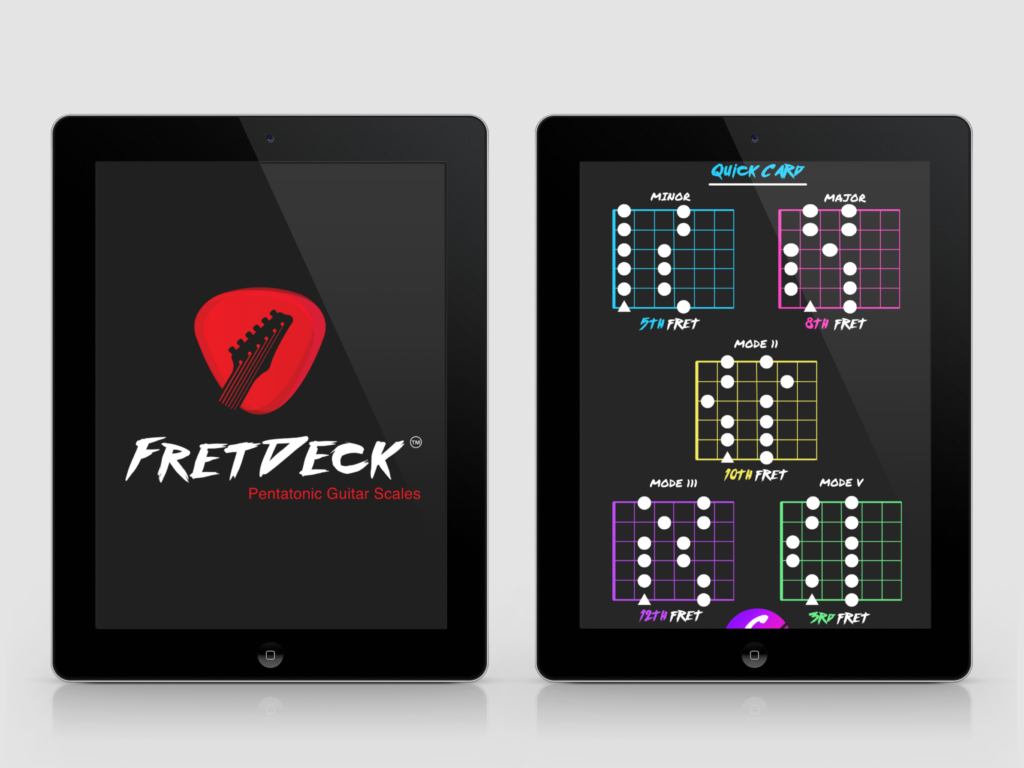


Here is a brutally effective system for players who are done with YouTube fluff and finally ready to master the fretboard with one of the only guitar training tools that actually delivers.

If you’re still searching for guitar training tools, it’s because you know, deep down, that watching another video or downloading another PDF won’t get you there. You’re right. Information is worthless without intelligent application, and most “tools” are just passive information.
My 10-Year Journey From “Guitar Owner” to Actual Guitar Player
For years, I wasn’t a guitar player. I was a guitar *owner*.
Knew the pentatonic scale in one position. I knew a handful of open chords. I could painstakingly learn a song note-for-note from a tab sheet. But the second someone said, “Hey, let’s jam in G,” my blood ran cold.
My mind would go completely blank. All those shapes and patterns I memorized would vanish. It felt like trying to speak a language where I only knew 20 random words—useless for a real conversation. The embarrassment was intense. I sounded clunky, robotic, and afraid.
I bought the courses. Subscribed to the YouTube pros. I downloaded the apps. But it was just more *stuff* to memorize. More shapes. Patterns. More licks to copy.
The epiphany didn’t come from learning something new. It came from a place of pure frustration. I realized the problem wasn’t a lack of knowledge. The problem was my *recall*. I couldn’t access the information when it mattered.

I needed a way to force my brain to connect the dots under pressure. Not a passive lesson, but an *active* drill. A system that would relentlessly test me on every note, every interval, every chord tone, until it was as automatic as breathing.
Since that system didn’t exist, I built it. First for me, and now, for you.
The Problem With guitar training tools Today
You know the feeling. You pick up your guitar, the one you’ve spent hundreds, maybe thousands, of dollars on. And you play the same three things you always play.
You try to improvise a solo, but your fingers feel glued to that one “safe” box on the neck. You venture out, hit a clam, and immediately retreat. The creative spark dies.
Someone shows you a new chord, and instead of understanding *why* it works, you’re just stuck memorizing another awkward finger shape.
This is the rut. And it’s why you keep searching for new guitar training tools, buying more courses, and adding more bookmarks you’ll never look at again. You’re trying to solve a recall problem with more information.
You see other players effortlessly gliding around the fretboard, and you feel a mix of jealousy and frustration. “What do they know that I don’t?”
It’s not what they know. It’s how they practiced. They built a mental map of the neck. You’ve just been collecting random street directions.
The FretDeck Pro System: Your Final Stop for Guitar Training Tools
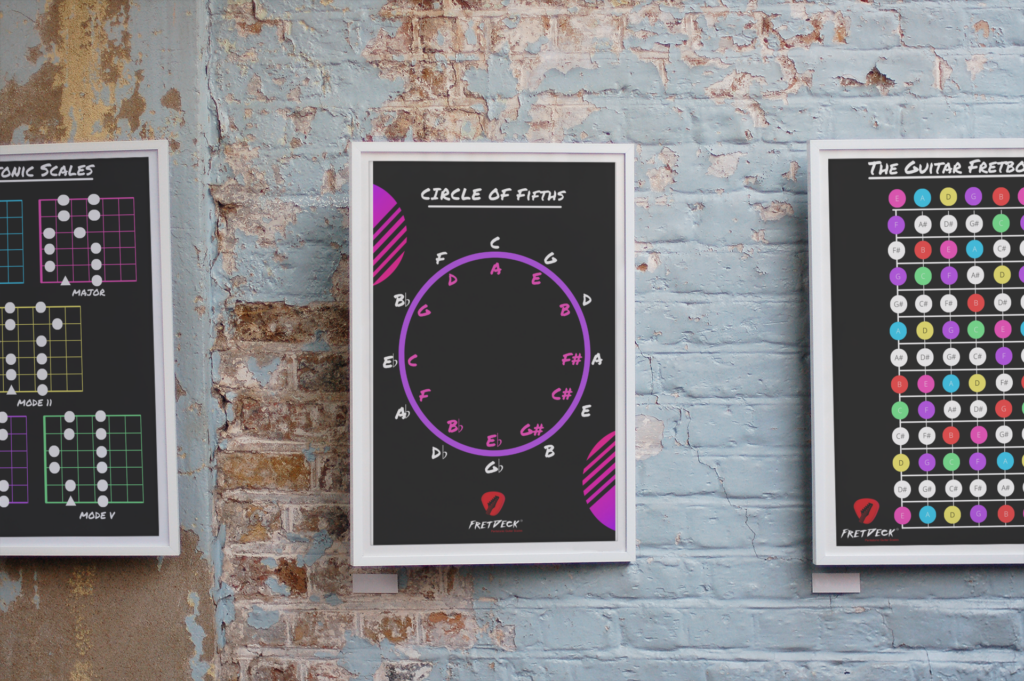
This is not another video course. This is not a PDF of scale charts. FretDeck Pro is the interactive fretboard mastery system designed for one purpose: to burn the entire guitar neck into your brain so you never get lost again. These are not your typical guitar training tools; this is a workout for your mind and fingers.
Think of it as a drill sergeant, not a friendly teacher. It relentlessly quizzes you, forcing you to identify notes, build scales, and target chord tones on the fly. It turns passive knowledge into active, usable skill.
It’s designed for the player who is past the point of wanting more “tips” and is ready for a real training regimen. You either do the work and build the map, or you stay stuck in the same box forever. The choice is yours. For those still looking for basic guides, you can find More guitar guides on Guitar Freaks Blog.
FretDeck Pro is the shortest path from knowing patterns to *understanding* music. It’s what separates the hobbyists from the players. We believe this is one of the most effective guitar training tools available today for the serious musician.
Here’s Exactly What You Get With guitar training tools
- The “Note-First” drill that finally breaks you out of the pentatonic box and lets you navigate the entire neck with confidence.
- Why 99% of online guitar training tools focus on memorizing shapes—the #1 reason you can’t improvise freely.
- How to connect the 5 CAGED shapes into one seamless super-highway across the fretboard.
- The 10-minute daily routine that neurologically links your ears to your fingers. Play what you hear, not what you’ve memorized.
- The “Chord Tone Chase” exercise: a simple game that guarantees you’ll never hit a “wrong” note in a solo again.
- Discover why the most “pro” sounding players think in intervals, not scales (and how FretDeck Pro forces you to do the same).
- How to finally stop translating “note names” and start *seeing* the fretboard as a map of musical possibilities.
- The counter-intuitive reason that looking at your hands while you practice is crippling your long-term progress.
- A method for visualizing arpeggios so clearly that you can target them anywhere, in any key, instantly.
- The dirty little secret of musical modes, and how FretDeck Pro makes them trivially easy to understand and use.
- What makes FretDeck Pro one of the only guitar training tools that adapts to your weak spots and drills you on them automatically.
Your Complete FretDeck Pro Guitar Training Tools Package
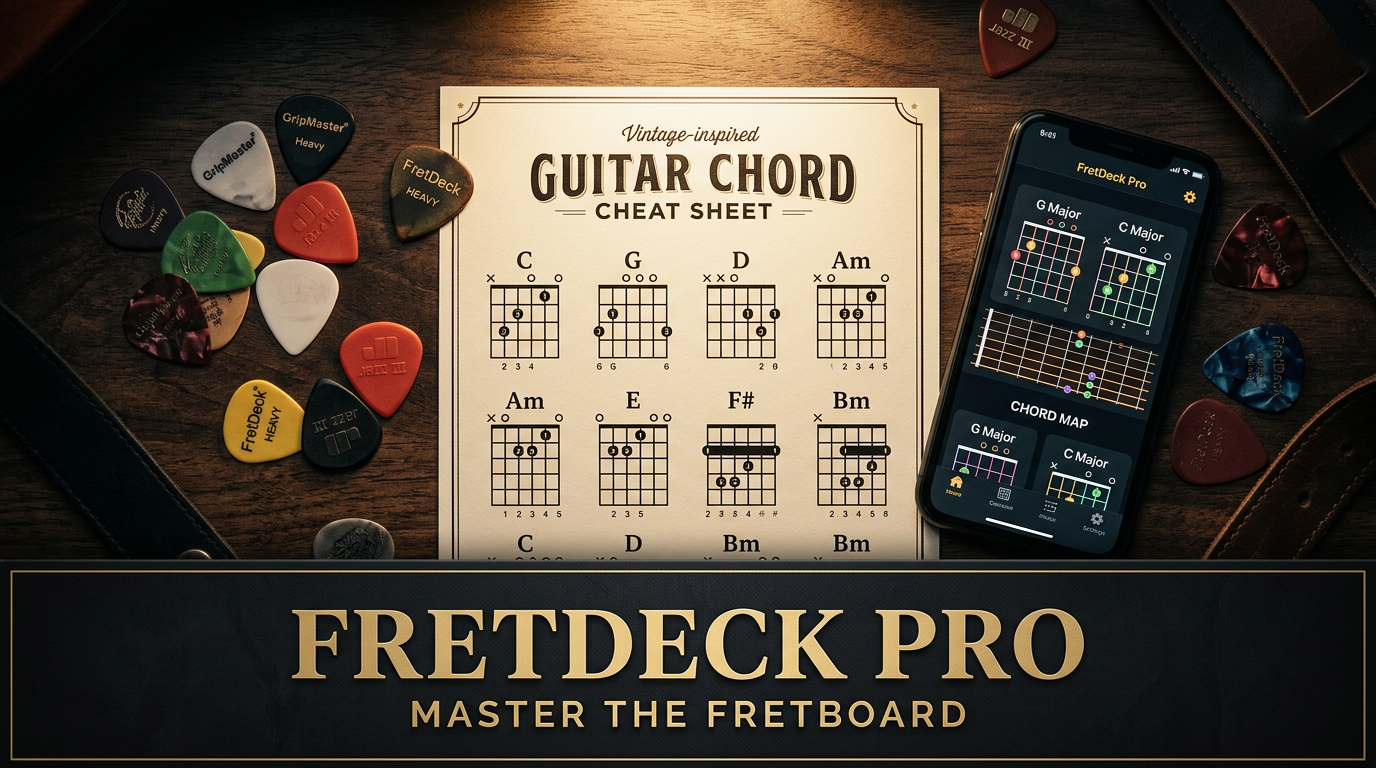
Frankly, this system is not for everyone. It’s for the player who is disgusted with their own lack of progress and is willing to put in 15-20 minutes a day to fix it, permanently. If you’re looking for a magic pill, this isn’t it. But if you’re looking for a proven system, here’s what you get when you sign up as a Founding Member today. You get lifetime access to the complete FretDeck Pro system—a suite of powerful guitar training tools unlike any other. And to ensure you have everything you need, I’m also including these essential bonuses.
“Yes, But Will This Really Work For ME?”
**”But what if I don’t have time?”**
If you have 15 minutes to scroll social media, you have time for this. FretDeck Pro is designed for short, intense bursts of practice. If you can’t find 15 minutes a day to achieve a lifelong goal, you don’t have a time problem, you have a priority problem. This system isn’t for you.
**”But what if the price is too high?”**
Compared to what? Another $800 guitar you can’t really play? Decades of continued frustration? The money you’ve already wasted on courses and apps that didn’t work? This is a one-time investment in a permanent skill. If $97 is too much to solve a problem that has plagued you for years, this is not the right fit.
**”But what if I’m a complete beginner?”**
This is NOT for absolute beginners. You should know basic open chords and be able to play a simple scale. This is for the frustrated intermediate player who has hit a wall and is stuck in a rut. It’s for the player who knows *some* things but can’t connect them into fluid, musical playing.
**”But what if I’ve tried other guitar training tools and failed?”**
Good. Then you already know what doesn’t work. Passive video lessons, shiny apps, and endless tab books don’t create real musicianship. They create dependency. FretDeck Pro is an *active training system*. It’s fundamentally different. It works because it forces you to think and react, not just copy. If those other tools failed you, maybe you should try something that isn’t like them at all. For more on practice philosophy, read More guitar guides on Guitar Freaks Blog.
Frequently Asked Questions
Who is this for?
This is for the frustrated intermediate guitarist who feels stuck. If you know your pentatonic box but can’t break out of it, or you know chords but don’t understand how they connect, this is for you.
What do I need to use FretDeck Pro?
An internet connection and a web browser on any computer, tablet, or smartphone. And your guitar, of course. No special software to install.
How quickly will I see results?
You will feel a difference in your understanding after the first week of consistent use. Within 60 days, your ability to navigate the fretboard and improvise will be transformed, provided you use the system as directed.
Is this a one-time payment or a subscription?
For this special founding member offer, it is a one-time payment for lifetime access to the FretDeck Pro system and all included bonuses. The price will become a subscription in the future.
My “Play A Coherent Solo From Scratch In 60 Days” Guarantee
**My “Play A Coherent Solo From Scratch In 60 Days” Or It’s FREE Guarantee.**
Get FretDeck Pro today. Use the system for just 15 minutes a day. If, after 60 days, you cannot pick up your guitar and improvise a coherent, musical solo over a backing track in a common key—something you were unable to do before—then I demand you ask for your money back. Just send us an email and we will refund 100% of your purchase. No questions, no hassle. I’m taking all the risk.
A Warning For Those Who “Wait and See”
A Warning For Those Who “Wait and See”.
This special offer of $67 and the included bonus package is strictly limited to the first 250 Founding Members.
Once those 250 spots are filled, this page will be taken down. The price for FretDeck Pro will move to its regular price of $197, and the bonuses will be removed and sold separately.
This isn’t a marketing gimmick. We are doing this to reward early adopters and build a core group of serious players for our community. If you close this page, I cannot promise this offer will be here when you return.
The Choice is Yours… Remain Stuck or Become The Player You’re Meant To Be?
The choice is simple. You can continue down the same path of frustration, collecting more random bits of information from YouTube, and hoping that one day it will all magically “click.” Or you can decide, right now, to stop guessing and start training with a system designed for results.
You are at a crossroads. One path leads back to the same old rut. The other leads to finally becoming the player you’ve always wanted to be—confident, creative, and in total command of your instrument. With a 60-day, no-questions-asked guarantee, you have absolutely nothing to lose. You can also get other great tips by checking out More guitar guides on Guitar Freaks Blog.
Click the button below to get instant lifetime access to the FretDeck Pro system and all the bonuses for the one-time Founding Member price.
BUTTON: YES! Give Me Instant Access to FretDeck Pro Now →
Related posts: