
Are you tired of staring at your guitar’s fretboard like it’s some unsolvable puzzle? A powerful guitar scale mapper is the secret weapon you need to finally connect the dots. This single tool can transform confusion into clarity, making the neck feel like home.
For many players, the fretboard remains a mysterious grid of random notes. You might know a pentatonic box shape or two, but venturing outside that comfort zone feels risky. As a result, your solos sound repetitive and you feel trapped, unable to express the music that’s actually in your head.
This is a journey every guitarist takes. You practice for hours, but the fretboard never seems to get any smaller or less intimidating. It’s time to change your approach.
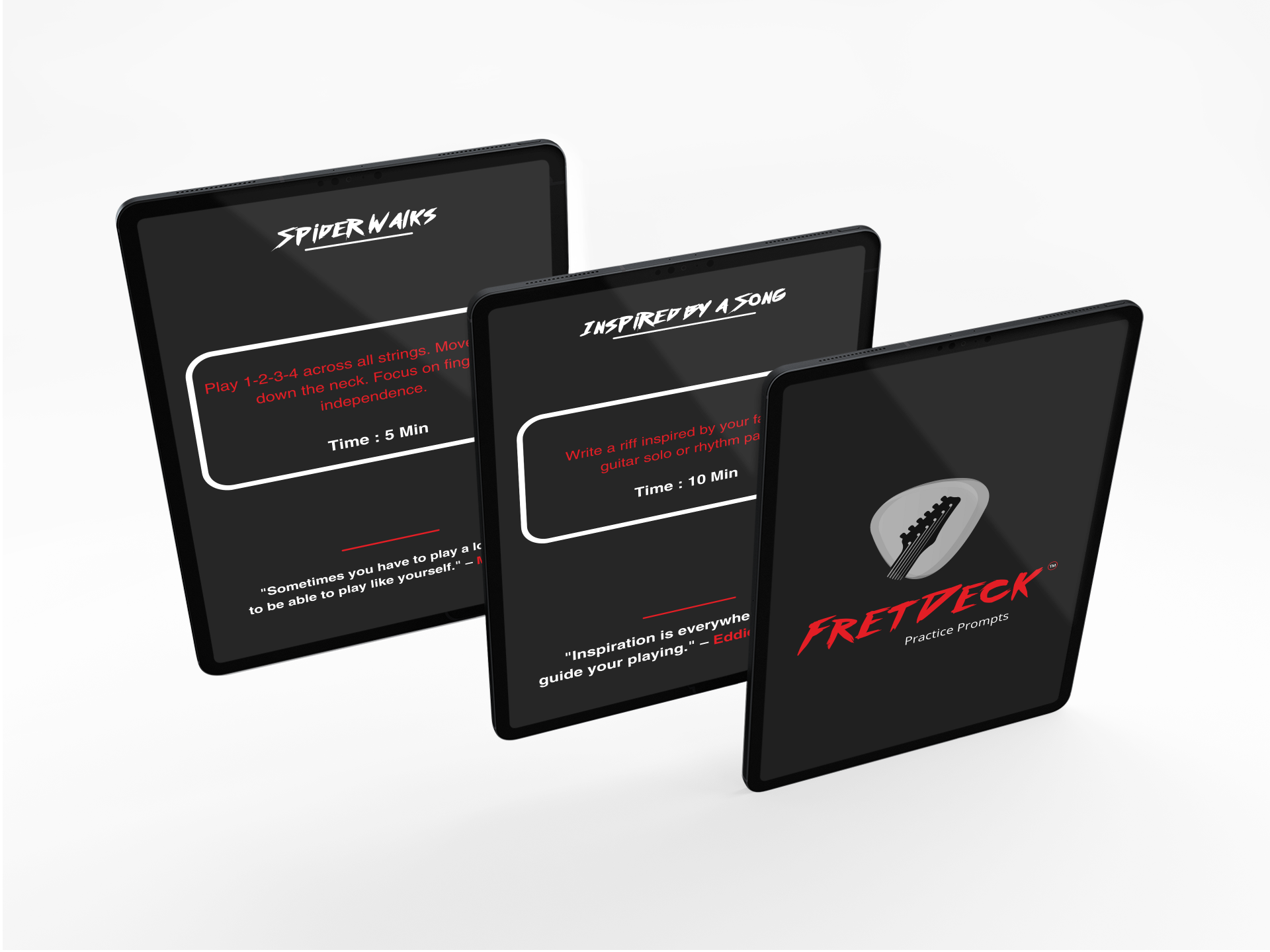
The Simple Guitar Practice System That Eliminates Guesswork
So You Can Stop Stalling… and Start Sounding Better Every Time You Pick Up the Guitar
👉 Get 52 Practice Prompts Now!
The Fretboard Fog: Why You Feel Stuck
Does this sound familiar? You learn the five pentatonic positions. You drill them over and over. But when a backing track comes on, you immediately jump back to that one comfortable box you know and love.
You feel chained to a tiny four-fret area of your guitar. Consequently, every solo starts to sound the same. You play the same licks in the same order because you’re terrified of hitting a “wrong” note if you stray too far.
This isn’t just frustrating; it’s a creativity killer. The goal isn’t to just play scales; it’s to make music. However, when the fretboard is a source of anxiety instead of a canvas for expression, you’re fighting an uphill battle. You see your guitar heroes gliding effortlessly across the neck, and it feels like they know a secret you don’t.

What Is a Guitar Scale Mapper, Anyway?
So, what is this magic tool? Simply put, a guitar scale mapper is a visual aid that displays the notes of any scale directly onto a diagram of the guitar fretboard. Think of it like a GPS for your fingers.

Instead of abstract theory or confusing diagrams in a book, you get a clear, interactive map. You choose a key (like A minor) and a scale (like the natural minor scale), and the tool instantly highlights every corresponding note across all six strings and every fret. Suddenly, the entire fretboard is illuminated.
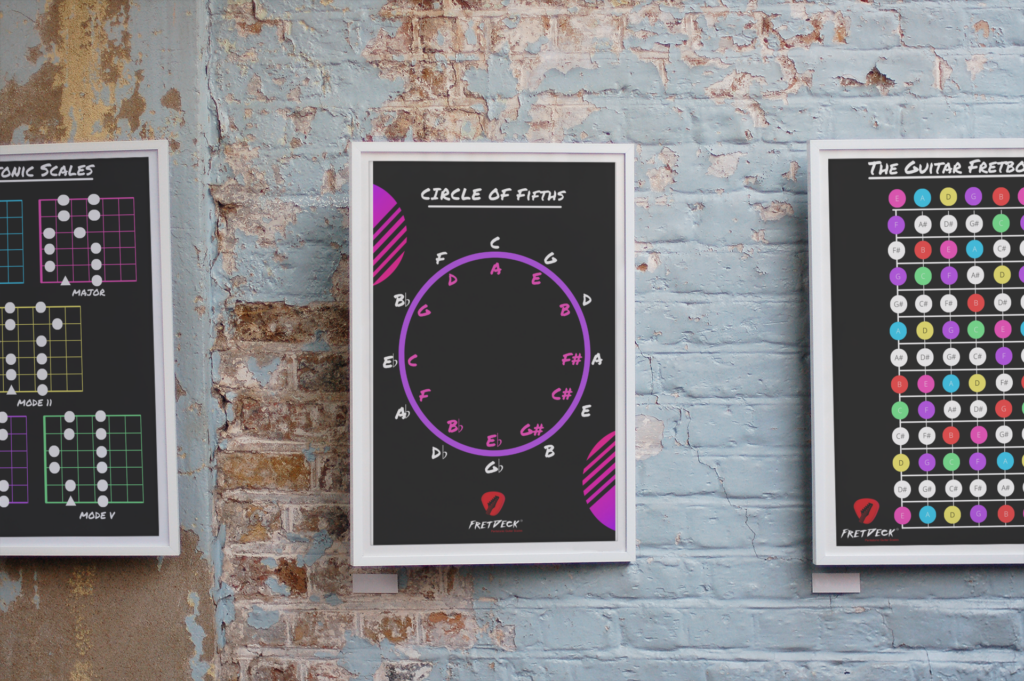
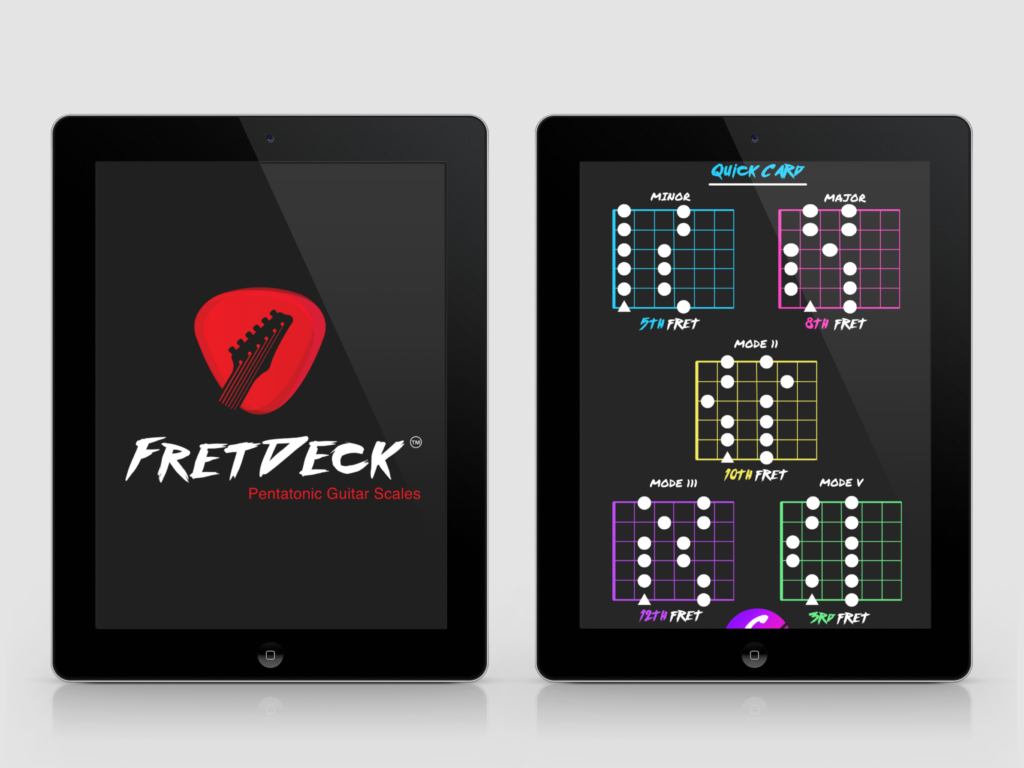
Furthermore, these mappers come in various forms. You have web-based applications, dedicated mobile apps, and even physical tools like the innovative FretDeck system that places the information right on your guitar. Each serves the same core purpose: to demystify the neck and show you the “safe” notes, allowing you to play freely. For a deeper dive into some of the best digital tools available, MusicRadar often reviews top-tier music apps that can serve this purpose.
How to Choose the Best Guitar Scale Mapper for You
Not all visual aids are created equal. Therefore, finding the right guitar scale mapper depends on your specific goals and learning style. You need a tool that doesn’t just show you patterns but actively helps you understand them.
First, look for customization. A great tool allows you to change the root note, the scale type (major, pentatonic, blues, all the modes), and even the guitar’s tuning. This flexibility is crucial because music is rarely static. You need to be able to adapt to different keys and songs on the fly.
Second, consider interactivity. Does the mapper show you just the note locations, or does it also provide the note names (A, B, C#) or scale degrees (root, 3rd, 5th)? Being able to see the function of each note within the scale is a game-changer. For example, it helps you start targeting chord tones, which is the key to creating melodic, memorable solos. This is a fundamental concept we explore in our chord progression guide.
Finally, think about accessibility. Do you prefer a browser-based tool you can use on your computer, or a mobile app for practicing on the go? Both have their advantages. A bigger screen can make patterns clearer, while a mobile app means your fretboard guide is always in your pocket.
Beyond Patterns: Connecting Scales to Music
Here’s the single biggest mistake most guitarists make: they learn scale shapes but never learn how they connect to the chords being played. A good guitar scale mapper bridges this critical gap. It helps you see the music, not just the mechanics.
For example, imagine a backing track is playing a progression from A minor to G major. You can use your mapper to first visualize the A minor pentatonic scale. See how all those notes fit perfectly over the Am chord.
Then, you can switch the mapper to G major pentatonic. Now you can see a new set of “safe” notes. As a result, you begin to understand how to shift your melodic choices to follow the underlying harmony, which is the essence of improvisation. A dedicated best practice routine will help you internalize these concepts much faster.
This visual connection is incredibly powerful. It takes you from “I hope this note sounds good” to “I know this note will sound good because it’s the 3rd of the chord.” This is the moment you transition from a player who runs scales to a musician who creates melodies.
The Simple Guitar Practice System That Eliminates Guesswork
So You Can Stop Stalling… and Start Sounding Better Every Time You Pick Up the Guitar
👉 Get 52 Practice Prompts Now!
5 Steps to Master the Fretboard with a Scale Mapper
Ready to put this into practice? Here is a simple, step-by-step method to use a guitar scale mapper to achieve total fretboard freedom.
1. Pick One Scale, One Key. Don’t overwhelm yourself. Start with something incredibly common, like the A minor pentatonic scale. Pull it up on your mapper and just observe how the pattern lays across the entire neck.
2. Trace the Horizontal Paths. Instead of focusing on vertical “box” shapes, use your finger to trace the scale horizontally on a single string. For instance, find all the notes of the A minor pentatonic scale on just the B string. This breaks you out of the box mentality immediately.
3. Improvise with the Map. Put on a simple A minor backing track. With the guitar scale mapper visible, try to play a solo using only the highlighted notes. Give yourself permission to explore the entire neck, from the open strings up to the highest frets.
4. Connect the Positions. Now, focus on the transition zones. Use the mapper to find notes that act as bridges between the classic box shapes you already know. Practice moving smoothly between two positions, specifically targeting these connecting notes.
5. Explore the Modes. Once you’re comfortable with the pentatonic scale, get adventurous. Use the mapper to explore the modes, such as Dorian or Mixolydian. For an excellent breakdown of modes, Guitar World has fantastic lessons on the topic. Visually seeing how A Dorian is just one note different from A minor can be a massive “aha!” moment that would be much harder to grasp from theory books alone. Pairing this exploration with our guide to learn guitar scales will accelerate your progress.
Frequently Asked Questions (FAQ)
### Are physical scale mappers better than apps?
It really comes down to personal preference. Digital apps offer incredible flexibility with endless scales and keys. However, a physical tool like a card system can be great for focusing without digital distractions, placing the information you need directly in your line of sight while you play.
### Can a guitar scale mapper help with music theory?
Absolutely. In fact, it is one of the best ways to learn theory in a practical, non-intimidating way. A good guitar scale mapper turns abstract concepts like “the Lydian mode is a major scale with a sharpened 4th” into a tangible visual on your fretboard, which helps you hear and understand it instantly.
### How quickly can I see results using a scale mapper?
You can see results in your very first practice session. The immediate benefit is the confidence to explore new areas of the fretboard without fear. Consistent use over a few weeks will begin to permanently ingrain these patterns into your muscle memory, and you’ll rely on the mapper less and less.
The Simple Guitar Practice System That Eliminates Guesswork
So You Can Stop Stalling… and Start Sounding Better Every Time You Pick Up the Guitar
👉 Get 52 Practice Prompts Now!
The Simple Guitar Practice System That Eliminates Guesswork
So You Can Stop Stalling… and Start Sounding Better Every Time You Pick Up the Guitar
👉 Get 52 Practice Prompts Now!
Related posts: