

Are you searching for a clear, simple guitar scale chart printable? You know you need to learn scales, but the fretboard feels like a random collection of notes, and every video you watch just adds to the confusion. You just want a single sheet of paper you can look at to finally make it all click.
You’re not alone. Many aspiring guitarists feel this exact same frustration. You see your heroes effortlessly gliding up and down the neck, and you wonder what secret they know that you don’t. It’s the “language” of the guitar, and scales are the alphabet.
However, without a map, you are essentially trying to learn that language by guessing. This is why having a physical, tangible resource is so powerful. It grounds your practice and gives you a clear path forward.
Why Does the Fretboard Feel So Confusing?
Let’s be honest. The guitar neck is intimidating. With six strings and over twenty frets, you’re looking at more than 120 possible notes. Trying to memorize patterns from a fleeting YouTube video or a confusing app can feel impossible.
Moreover, you might flip through a thick theory book and see dozens of scales with strange names. You get overwhelmed by the sheer volume of information. As a result, you retreat to playing the same three chords you already know, and your progress stalls completely.
This feeling of being “stuck” is the number one reason players quit. You bought a guitar to create music and express yourself, not to feel like you’re studying for a complex math test. The key isn’t more information; it’s the right information presented in a simple, usable way.
The Simple Guitar Practice System That Eliminates Guesswork
So You Can Stop Stalling… and Start Sounding Better Every Time You Pick Up the Guitar
👉 Get 52 Practice Prompts Now!

The Power of Visual Learning: Scales on Paper
The solution is wonderfully old-school: a simple piece of paper. A printable chart cuts through the digital noise. For example, you can place it on your music stand, tape it to the wall, or keep it in your guitar case. It’s always there, ready when you are.
This physical connection helps your brain process and retain the patterns more effectively. Instead of rewinding a video, you can simply glance at the chart. Consequently, you spend less time searching and more time playing. This is one of the most effective beginner guitar tips we can offer.
Furthermore, a well-designed chart focuses only on the essential. It eliminates the clutter and shows you the most important scales you need to know to play 99% of popular music. It transforms the fretboard from a mystery into a playground. You begin to see the connections between the notes.
Your Ultimate Guitar Scale Chart Printable Vault
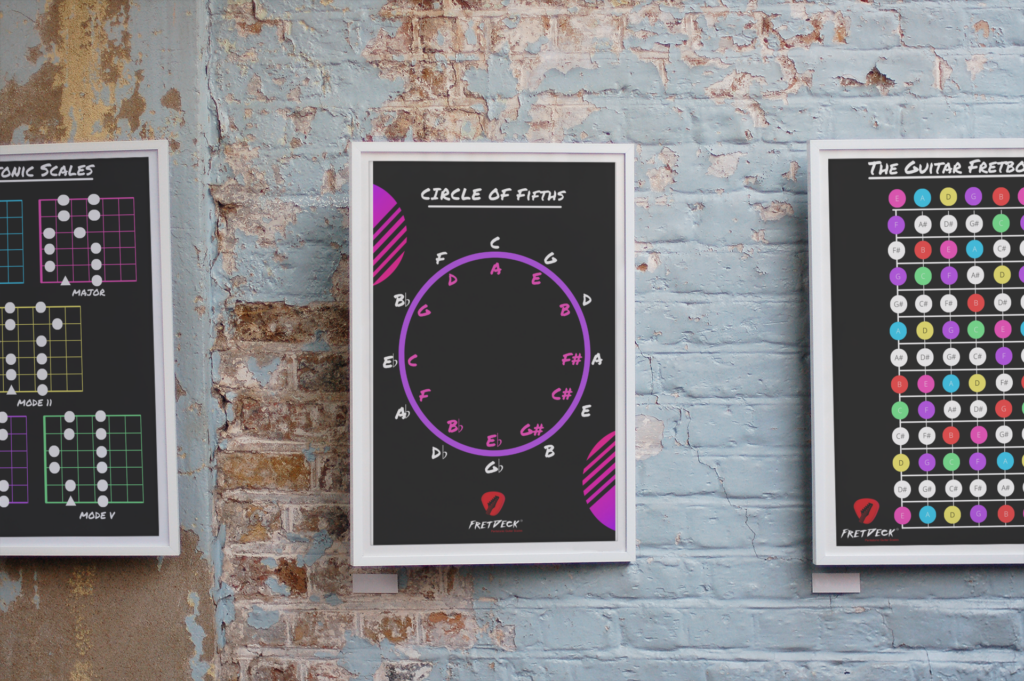
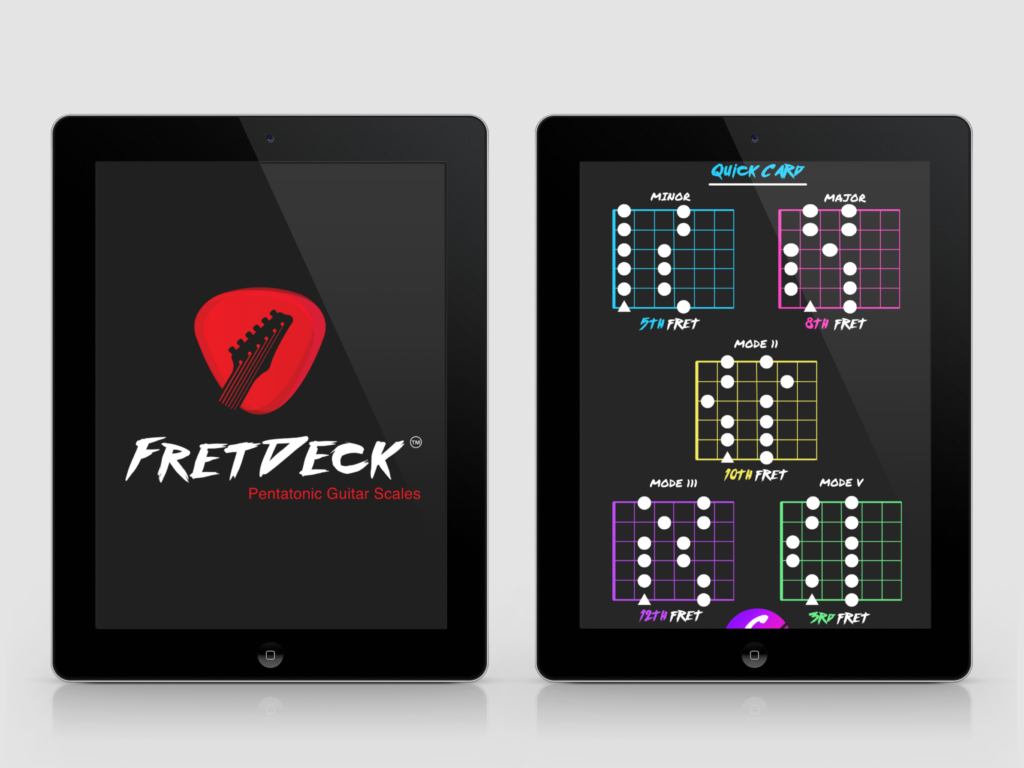
So, what should be on your perfect guitar scale chart printable? You don’t need dozens of obscure modes to get started. Specifically, these four foundational scales will give you the tools to play rock, blues, pop, and country music. We’ve created these easy-to-read charts for you to download and print right now.
1. The Minor Pentatonic Scale: This is the sound of rock and blues guitar. From Jimmy Page to B.B. King, this five-note scale is the most common scale used for guitar solos. Its simple pattern is easy to memorize and sounds good over almost anything. It’s your number one starting point for improvisation.
2. The Blues Scale: The blues scale is just the minor pentatonic with one extra “blue” note. This single chromatic note adds a layer of tension and flavor that is instantly recognizable as the blues. For example, when you hear a gritty, soulful solo from a player like Stevie Ray Vaughan, you’re hearing the magic of the blues scale.
3. The Major Scale: This is the foundation of Western music theory. The major scale (do-re-mi-fa-so-la-ti-do) is the source from which chords and melodies are built. While it’s not as common for fiery solos as the pentatonic, understanding it is crucial for songwriting and learning how music works. Many famous solos, as detailed by outlets like Guitar World, are built around major scale melodies.
4. The Natural Minor Scale: This scale creates a sad or epic-sounding mood. It’s the relative minor of the major scale, meaning it contains the same notes but starts in a different place. If you want to write melodies that sound melancholic or dramatic, the natural minor scale is your go-to tool.
Having a guitar scale chart printable with these four patterns is your ticket to fretboard freedom. You can finally start connecting the dots and understanding how your favorite songs were written.
The Simple Guitar Practice System That Eliminates Guesswork
So You Can Stop Stalling… and Start Sounding Better Every Time You Pick Up the Guitar
👉 Get 52 Practice Prompts Now!
How to Read and Use Your Scale Charts
A chart is useless if you don’t know how to read it. Fortunately, it’s very simple. Our printable charts use a standard format that you can understand in seconds.
Each chart is a fretboard diagram. The vertical lines represent the strings, with the low E string on the left. The horizontal lines represent the frets. The dots on the chart show you which notes to play.
You will also see a “R” on one of the dots. This indicates the Root Note. The root note gives the scale its name. For example, if you place the root note of the minor pentatonic pattern on the 5th fret of the low E string, you are playing the A minor pentatonic scale. You can move this entire shape anywhere on the neck to play in any key. This is the beauty of a guitar scale chart printable; it unlocks all 12 keys with one simple pattern.
Start by playing the scale up and down slowly. Pay attention to the sound of each note. This is a critical part of how you learn guitar scales effectively. Don’t rush; the goal is accuracy, not speed.
7 Steps to Master Scales with Your Chart
Owning a chart is the first step. Next, you need a plan to integrate it into your playing. Follow these steps to turn those patterns on paper into music.
1. Start with One Pattern. Choose the Minor Pentatonic scale first. Focus only on memorizing that one shape.
2. Practice Ascending and Descending. Use a metronome and play the scale up and down. Start at a very slow tempo. The goal is clean, clear notes.
3. Vary Your Picking. Practice the scale using all downstrokes, then all upstrokes, and finally alternate picking. This builds essential right-hand technique.
4. Say the Note Names. As you play each note, say its name out loud. This solidifies your fretboard knowledge.
5. Use a Backing Track. Find a simple “A minor backing track” on YouTube. Now, try playing the notes of the A minor pentatonic scale over the track. This is where you start making music!
6. Break Up the Pattern. Don’t just play the scale up and down. Try creating small 3 or 4-note phrases. Skip strings. This is the beginning of improvisation. You can also supplement your practice with visual fretboard aids like the stickers from FretDeck, which help reinforce patterns directly on your guitar.
7. Integrate into a Routine. Dedicate just 10-15 minutes of every practice session to scale work. Consistency is key. A structured approach, like our best practice routine, ensures you make steady progress.
Following these steps with your guitar scale chart printable will produce real results. You will build muscle memory and train your ear simultaneously.
Frequently Asked Questions (FAQ)
Here are some common questions guitarists have when they first start using scale charts.
What’s the first scale I should learn?
Without a doubt, start with the Minor Pentatonic scale. It’s the easiest to finger and the most versatile for playing rock and blues solos. Its simple, 5-note pattern sounds great and is used in thousands of iconic songs.
How do I use a printable scale chart to practice?
Print the chart and place it where you can see it while you play. Using a metronome, play the scale pattern up and down slowly. Focus on one position until it’s memorized. Then, find a backing track in that key and try to create simple melodies using only the notes from the chart. This combination of technical practice and creative application is the fastest way to improve. Having a reliable guitar scale chart printable is the cornerstone of this method.
Can I write my own solos with these scales?
Absolutely! That’s the entire point. Scales are not just boring exercises; they are the ingredients for melody and solos. Once you are comfortable with a scale pattern, like the one on your chart, you can start combining the notes in different orders and rhythms over a backing track. As you get more advanced, you can learn how these scales relate to chords, a concept top players featured on Fender.com’s blog use every day.
The Simple Guitar Practice System That Eliminates Guesswork
So You Can Stop Stalling… and Start Sounding Better Every Time You Pick Up the Guitar
👉 Get 52 Practice Prompts Now!
Related posts: