
Are you searching for the perfect guitar scales sheet to finally make sense of the fretboard? You’ve landed in the right place, because that single piece of paper holds the key to unlocking your musical potential. But it’s more than just a diagram of dots and numbers; it’s a map to creative freedom.
Imagine being able to play solos that sound like they belong in the song. Picture yourself improvising with confidence, no longer guessing which notes will sound good. This all starts with understanding how to read and, more importantly, use a scale sheet effectively.

Many players download endless charts, but they never bridge the gap between the pattern on the page and the music in their heads. Therefore, we’re going to break down exactly what you need to do to turn that chart into real musical skill.
The Fretboard Black Hole: Why Most Scale Sheets Fail You
You’ve seen them before. Maybe you even have a few printed out, gathering dust next to your amp. It’s that grid of dots representing a scale, and you stare at it, feeling a mix of hope and confusion.
You try to play it. You go up the pattern, then you go back down. It sounds sterile, robotic, and completely unmusical. As a result, you wonder what you’re missing. You can physically play the notes, but it doesn’t sound like a solo or a cool melody. Staring at that guitar scales sheet can feel like you have the blueprints to a spaceship but no idea how to turn the engine on.
This frustration is common. You feel trapped in a “box” pattern, unable to connect ideas or move freely around the neck. Consequently, you start to believe that improvising is a magical talent reserved for a select few. The truth is, you don’t have a talent problem; you have a system problem.
The Simple Guitar Practice System That Eliminates Guesswork
So You Can Stop Stalling… and Start Sounding Better Every Time You Pick Up the Guitar
👉 Get 52 Practice Prompts Now!

De-Mystifying the Scale Chart: What Are You Looking At?
Let’s demystify that piece of paper once and for all. A guitar scales sheet is simply a visual representation of a musical formula. Think of it as a cheat sheet for sounding good.
First, you’ll see the fretboard laid out like a grid. The horizontal lines are the strings, and the vertical lines are the frets. The dots on this grid show you which notes belong to a specific scale. For example, a C Major scale will have a unique set of dots compared to a G Minor Pentatonic scale.
Most charts use a specific symbol for the “root note.” This is the foundational note of the scale and your most important point of reference. If you’re playing an A Minor Pentatonic scale, the ‘A’ notes within the pattern are your home base. Landing on these root notes at the end of a musical phrase provides a sense of resolution. As a result, you instantly sound more deliberate.
Furthermore, you’re not just looking at random dots. You’re seeing intervals—the distance between notes. This pattern of whole and half steps is what gives each scale its unique emotional character, whether it’s happy (major), sad (minor), or bluesy. Understanding this moves you from just “playing the dots” to speaking a musical language.
Your Ultimate Guitar Scales Sheet Blueprint
Now, let’s build the foundation. While thousands of scales exist, you only need to focus on a few essentials to start making incredible progress. This is your blueprint for an effective guitar scales sheet. We will focus on the scales that give you the most bang for your buck.
Specifically, you should start with these three:
1. The Minor Pentatonic Scale: This is the king of rock, blues, and pop music. It contains only five notes per octave, making it easy to memorize. Moreover, it’s famous for being forgiving; it’s very difficult to hit a “bad” sounding note within this scale. For an in-depth A-to-Z lesson, check out our guide to learn guitar scales. Many iconic solos you love were built almost entirely from this single scale.
2. The Major Scale: This is the bedrock of Western music theory. It’s the “do-re-mi” scale you learned as a child. While the Minor Pentatonic is great for edgy solos, the Major Scale is perfect for creating bright, happy, and melodic lines. It contains seven notes and is the foundation for building chords and understanding harmony.
3. The Blues Scale: This is simply the Minor Pentatonic scale with one extra “blue” note added. This single chromatic note adds a classic, gritty tension that is the signature sound of the blues. It provides a bit of flavor and character that can make your solos instantly more interesting. You can find excellent lessons on its application over at Guitar World.
Instead of downloading a 50-page PDF with every scale imaginable, focus on mastering just these three in one key. You’ll make far more progress by going deep than by going wide.
The Simple Guitar Practice System That Eliminates Guesswork
So You Can Stop Stalling… and Start Sounding Better Every Time You Pick Up the Guitar
👉 Get 52 Practice Prompts Now!
Moving Beyond the “Box”: Connecting the Patterns
The biggest trap guitarists fall into is getting stuck in one scale “box” or position. Your guitar scales sheet might show five different patterns for the Minor Pentatonic scale across the neck. The secret is realizing they are all part of one big scale that covers the entire fretboard.
Your first goal is to learn Position 1 of the Minor Pentatonic scale until you can play it in your sleep. After that, learn Position 2. But here’s the crucial step: practice moving between Position 1 and Position 2. Find the overlapping notes. Slide from a note in one box to a note in the next.
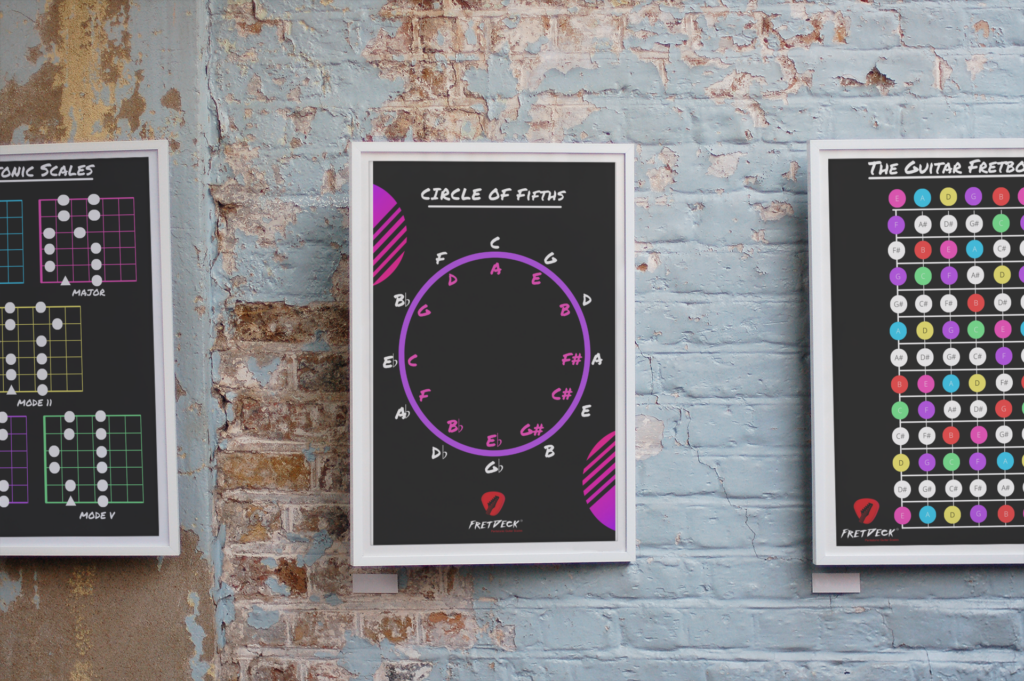
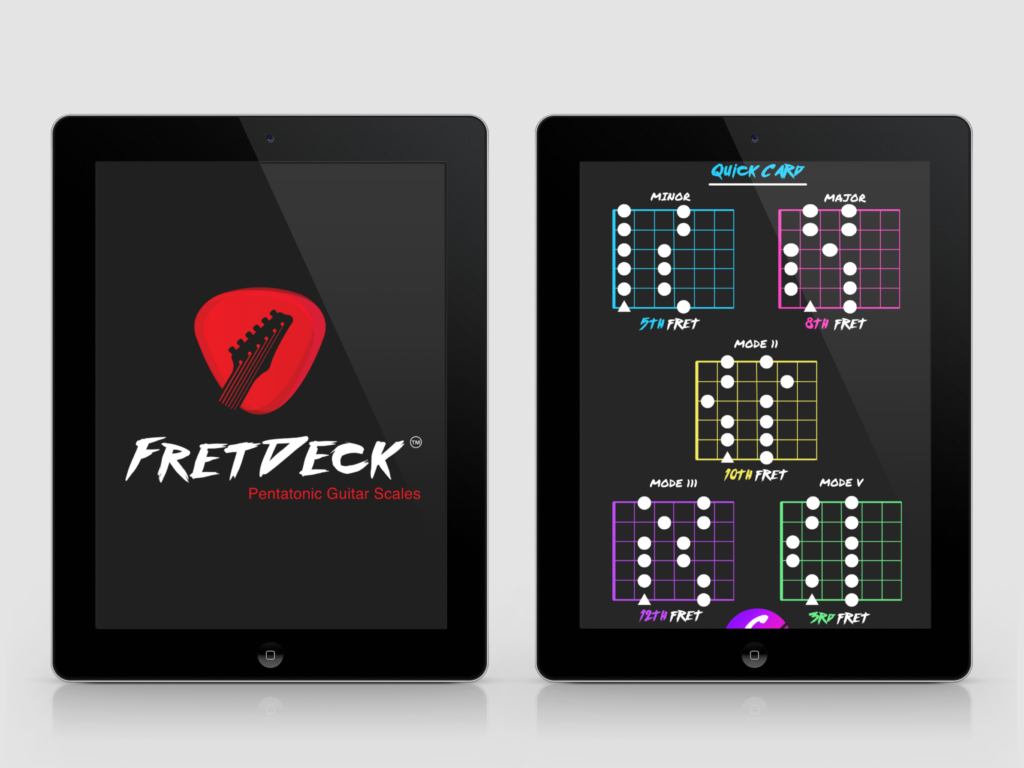
Once you can do that, add Position 3. Then, practice moving between positions 1, 2, and 3. As you can see, the process is incremental. You are slowly revealing the entire map of the fretboard. This is the skill that separates amateurs from pros. It’s what allows a player like David Gilmour or Slash to glide effortlessly from the low frets to the high ones in a single, seamless phrase. For a fantastic look at how scales create fretboard-wide pathways, Fender’s official blog has some great visual guides. For a more tactile approach, some players use tools like FretDeck to lay patterns directly on their guitar, making visualization even easier.
7 Practical Tips to Bring Your Scales to Life
Knowing the patterns is one thing; making music with them is another. Here’s how to practice using your guitar scales sheet so you start sounding amazing, fast.
1. Start With a Metronome, Always. Play the scale up and down very slowly with a metronome. This builds finger dexterity and, more importantly, your internal sense of rhythm. Speed is a byproduct of accuracy, not the other way around.
2. Focus on One Key. Don’t try to learn the G Minor Pentatonic, C Major, and E Blues scale all at once. Instead, learn all three scales in the same key, like A. For example, learn A Minor Pentatonic, A Major, and A Blues. This helps your ear connect the different sounds in a consistent context.
3. Sing The Notes As You Play Them. This technique, called “audiation,” connects your fingers, your ear, and your brain. It forces you to internalize the sound of the intervals, which is the first step toward playing what you hear in your head.
4. Practice Over Backing Tracks. This is the most crucial step. Go on YouTube and search for “Rock backing track in A minor.” Now, use your A Minor Pentatonic scale to create melodies over it. This provides the musical context that scale drills lack. It transforms a boring exercise into a fun jam session.
5. Create Simple Melodies. Don’t just run up and down the scale. Try playing a short, three-note phrase. Now, repeat it. Try playing it in a different rhythm. This is how you move from playing scales to making music.
6. Connect Scales to Chords. Understand that the scales you play are directly related to the chords in the song. A great way to begin exploring this is with our chord progression guide to see how melody and harmony interact.
7. Structure Your Time. Don’t just noodle aimlessly. Create a plan for what you want to achieve in each session. For a proven framework, look into developing the best practice routine for your specific goals.
Frequently Asked Questions (FAQ)
What’s the most important scale to learn first?
Without a doubt, the Minor Pentatonic scale is the most important scale for any aspiring rock, blues, or pop guitarist. Its simple five-note structure and forgiving nature make it the perfect entry point for learning to improvise and solo. It’s the backbone of countless classic riffs and solos.
How do I use a guitar scales sheet to improvise?
Start by putting on a backing track in the correct key. Instead of just running the scale, try to “target” the root notes of the chords being played. For example, if the backing track is playing an Am chord, try to land on an ‘A’ note from your scale as the chord changes. This simple trick will make your solos sound instantly more professional and connected to the music.
Should I memorize the note names or just the patterns?
In the beginning, focus on memorizing the shape and sound of the pattern. This gets you playing and making music quickly. However, as you advance, you should absolutely begin learning the names of the notes you are playing. This unlocks a deeper understanding of the fretboard and music theory, allowing you to apply your knowledge in any key, anywhere on the neck.
The Simple Guitar Practice System That Eliminates Guesswork
So You Can Stop Stalling… and Start Sounding Better Every Time You Pick Up the Guitar
👉 Get 52 Practice Prompts Now!
Related posts: