

Let me guess—you’ve memorized the 5 pentatonic positions, but when it comes time to actually solo over a track, it all still kinda sounds the same, right?
You’re not alone.
The pentatonic scale is one of the first tools we learn as guitar players, and for good reason—it’s easy to grab, sounds great over almost anything, and helps us play confidently early on. But here’s the catch: most players get stuck using it in boxes. And while there’s nothing wrong with boxes, music doesn’t live in boxes.
Today, I want to show you how to break out of those pentatonic walls, own all 5 positions like a pro, and—most importantly—mix and master them so your solos sound fluid, intentional, and uniquely you.
Warm Up Your Ears and Hands
Before we jump into the deep waters, we gotta get both our ears and hands tuned in.
Here’s what I recommend:
1. 12-Bar Blues Warm-Up (All Positions)
Take a basic 12-bar blues progression in A, and challenge yourself to play a chorus in each of the 5 pentatonic positions. Not just noodling—really try to make music in every position. Let your ears lead the way.

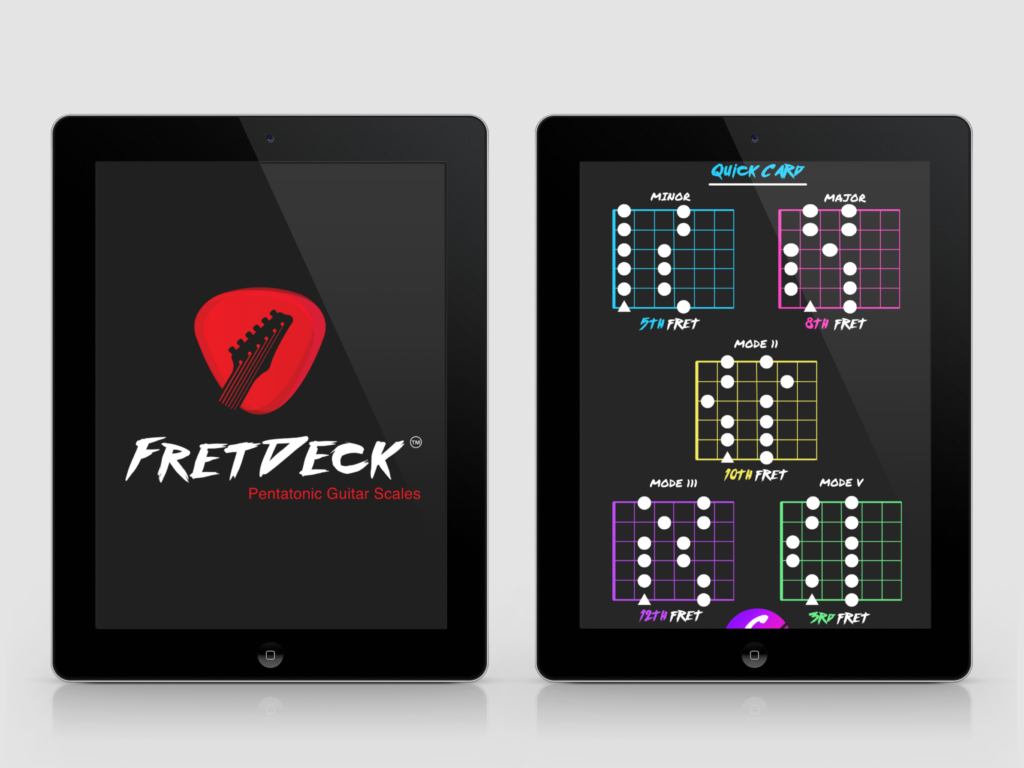
If you’re unfamiliar, the 5 pentatonic shapes across the fretboard for A minor are:
- Position 1: Root on 5th fret of low E
- Position 2: Starts on 8th fret of low E
- Position 3: Starts on 10th fret of low E
- Position 4: Starts on 12th fret of low E
- Position 5: Starts on 15th fret of low E
Do this slowly. Play with phrasing, space, and rhythm. You’re not just warming up your fingers—you’re training your brain to hear music in each area of the neck.
2. Call-and-Response Ear Training
Record yourself playing a simple melodic phrase in one position, then respond to it in another. This kind of ear-hand connection is what separates great improvisers from scale memorizers.
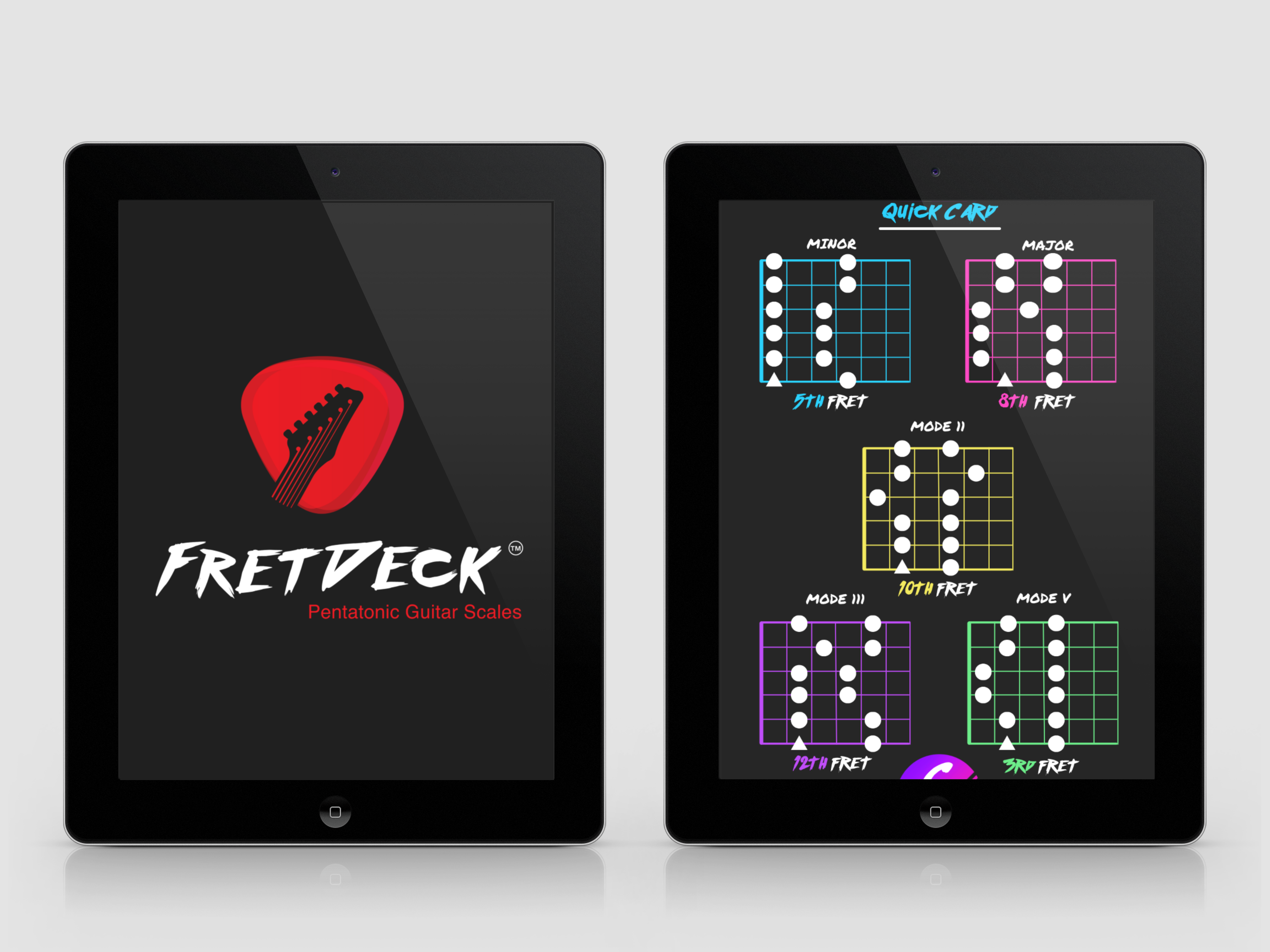
Download The FretDeck & Pentatonic Secrets Course!
Download Our Course
Practice Making Real Music
It’s easy to turn the pentatonic scale into a workout routine—play each box up and down, faster and faster. But guess what? That’s not music.
What if, instead, you treated each box like a different voice in a conversation?
Here’s how you turn cold technique into real music:
1. Phrase Like a Singer
Each pentatonic position has its own flavor and emotional range. Try singing a line first, then finding it on the guitar. You’ll start to associate feeling with fretboard location.
2. Create Micro Études
Write a short 4-bar solo that lives inside Position 3, but use bends, slides, vibrato—whatever it takes to make it expressive. Then do the same in Position 4. Then combine them.
This is how you build freedom on the neck.
3. Mixing the Pentatonics
Here’s a killer trick I teach my students: Find two adjacent pentatonic positions (say, Positions 2 and 3), and create a solo where every other phrase switches positions.
It forces you to stop thinking “boxy” and start thinking musically across the neck.
Form Follows Function
This is something I learned the hard way, technique should serve the music, not the other way around.
When you’re working on connecting the 5 pentatonic positions, don’t just blaze through scale patterns. Instead, think about what kind of phrasing or musical mood you’re after.
Here are some real-world examples:
1. Low-and-Slow vs High-and-Wild
Position 1 near the 5th fret is great for bluesy, vocal phrasing. But jump up to Position 4 or 5? Now you’ve got that searing, high-register scream.
Let your intention decide your location on the neck.
2. Economy of Motion
A student of mine once struggled with fast alternate picking runs across positions. I told him to stop picking every note and try sliding between notes instead. Suddenly, his solos got smoother, and his phrasing came alive.
That’s form following function.
Keep a Practice Journal
If you’re serious about owning the 5 pentatonic positions and making music with them, you’ve gotta track your journey.
Here’s what to include in your practice journal:
- Date + Focus: e.g., “March 31 – Mixing Positions 2 & 3 over A minor groove”
- Goals: “Create a 4-bar solo using slides between positions”
- Tempo & Key: Track how fast and in what keys you’re comfortable
- Breakthroughs: “Position 4 feels more comfortable today—bent the 3rd string up a full step, sounds sweet!”
- Challenges: “Still struggling to connect Position 1 to 2 without jumping.”
Reflection creates direction. You’ll make more progress when you can see where you’ve been.
How to Mix & Master the Pentatonic 5 Positions
Now here’s where we take it to the next level.
Memorizing the boxes is
Step 1. Mixing them together seamlessly?
Step 2. But mastering them? That’s
Step 3, and it’s all about creating musical narratives across the fretboard.
Let’s get tactical.
1. Anchor Notes = Your Map
Choose a root note (like A), and locate where it lives in each position. Then build your phrases around those anchors.
If you’re playing in Position 2 and want to jump to Position 3, target the same note in both positions (like the C on the 5th string in Position 2 and 3rd string in Position 3). That helps your lines sound connected.
2. Add Chromaticism
Yep, we’re getting spicy. Use chromatic passing tones between pentatonic notes to make your lines sound jazzier or bluesier. These work especially well when transitioning between boxes.
Example: In A minor pentatonic, add a G# (major 3rd) for a bluesy bite before resolving to A. Try this when moving from Position 1 to Position 2.
3. Slide Over the Seams
Instead of jumping with a shift, try sliding from one position to the next. It sounds more fluid and gives your solo that vocal, legato feel pros use all the time.
Try sliding from the 8th fret (C note) in Position 2 to the 10th fret (D note) in Position 3.
4. Mix Major and Minor Pentatonic
This is a pro move that really makes your solos stand out. Blend the A major pentatonic (same 5-note structure, but different intervals) with A minor pentatonic during a blues or country jam. Switch on the I chord, then go minor over the IV and V. Your solos will sing.
5. Practice with a Drone or Loop
Forget backing tracks for a minute—just loop an A note (or use a drone) and practice moving between positions while staying melodic. This strips away distractions and helps you hear how your lines sit in the key center.
Download The FretDeck & Pentatonic Secrets Course!
Download Our Course
Bonus: Backdoor to Mastery – Visualize Without Playing
This one’s for when you’re away from the guitar.
Picture the fretboard in your mind. Visualize yourself playing a phrase in Position 1, then sliding into Position 2. Try to “hear” what that would sound like.
This mental practice is insanely effective. Many pros swear by it—and when you return to your guitar, you’ll be amazed how much more natural the connections feel.
Don’t Just Practice—Perform
Put all this together by recording a 12-bar solo using all 5 pentatonic positions. Challenge yourself to make it musical, not just scaley. Then share it with your guitar buddies—or better yet, post it in the Guitar Freaks Hangout Discord and get feedback from players who are walking the same path as you.
Because here’s the truth:
You don’t really own the pentatonic scale until you can tell a story with it.
Final Thoughts
Mastering the 5 pentatonic positions isn’t about memorization—it’s about liberation. It’s about unlocking your ability to play anywhere on the neck with confidence, expressiveness, and creativity.
By mixing positions, connecting phrases with intention, and journaling your progress, you’ll move from “scale runner” to true improviser.
So don’t just practice the boxes—mix, master, and make music with them.
🔥 Ready to Level Up?
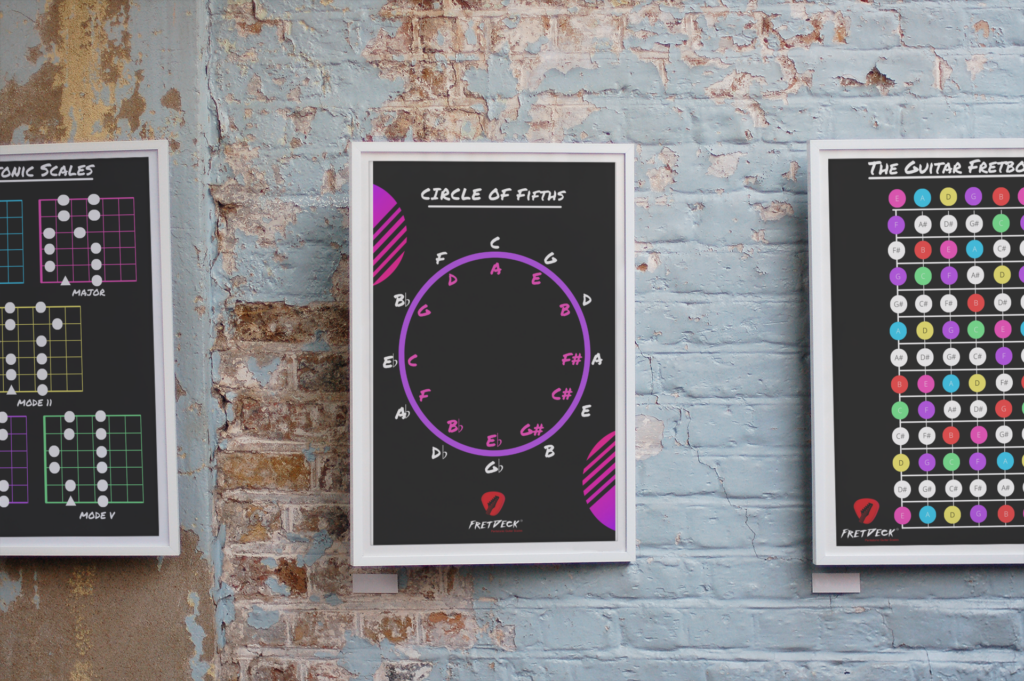
Download the FretDeck Pentatonic Scales for visual fretboard diagrams, exercises, and soloing strategies that walk you through every position step-by-step.
And don’t forget to join the Guitar Freaks Hangout on Discord — a free community where we trade licks, give each other feedback, and nerd out about tone, gear, and gigs. Come say hey and share your progress!
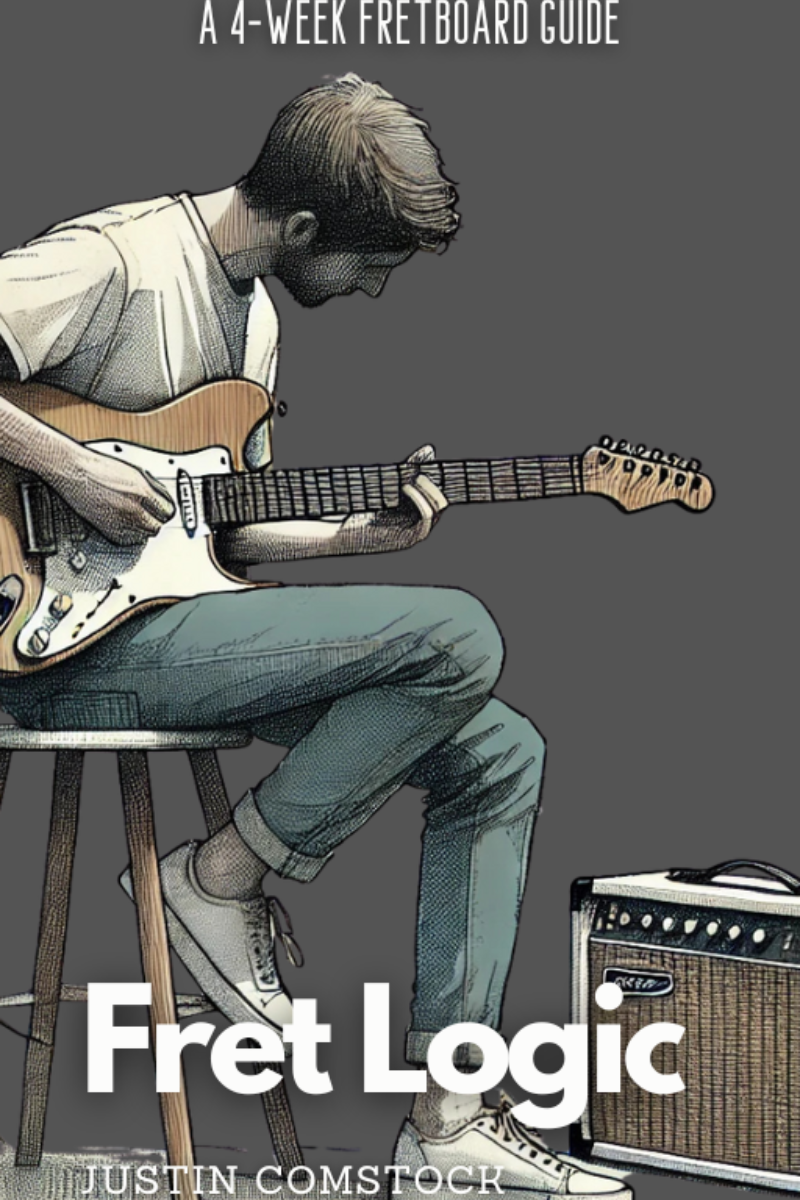
Join Guitar Freaks Hangout on Discord! 🎸
Get Fret Logic FREE!
Join the Guitar Freaks Hangout Discord and get exclusive access to my entire e-book, Fret Logic! Master the fretboard and elevate your solos with this comprehensive guide.
👉 Don’t miss out—join now and download your free copy!
Learn more about guitar chords Easy Shapes & Pro Level Voicings
Want a deeper dive into how pros like Robben Ford and Eric Johnson stretch the pentatonic scale beyond the basics? Check out this killer article on Premier Guitar about advanced pentatonic soloing techniques.
Related posts: