
Finding the perfect guitar learning app can feel like the single most important quest on your musical journey. You know technology holds the key, but the sheer number of options is overwhelming. You download one, try it for a week, and then find yourself right back where you started: confused and not making any real progress.
You feel the magnetic pull of your guitar sitting in the corner. You want to play it. However, you’re stuck in a cycle of random YouTube videos and frustrating plateaus. As a result, the instrument that was supposed to bring you joy has become a source of anxiety. It feels like everyone else is getting better, while you’re just spinning your wheels.
But what if you had a structured path? A guide that tells you exactly what to do next? That’s the promise of a great guitar learning app. This guide will shred the confusion and show you exactly what to look for, so you can finally start sounding like the guitarist you’ve always wanted to be.
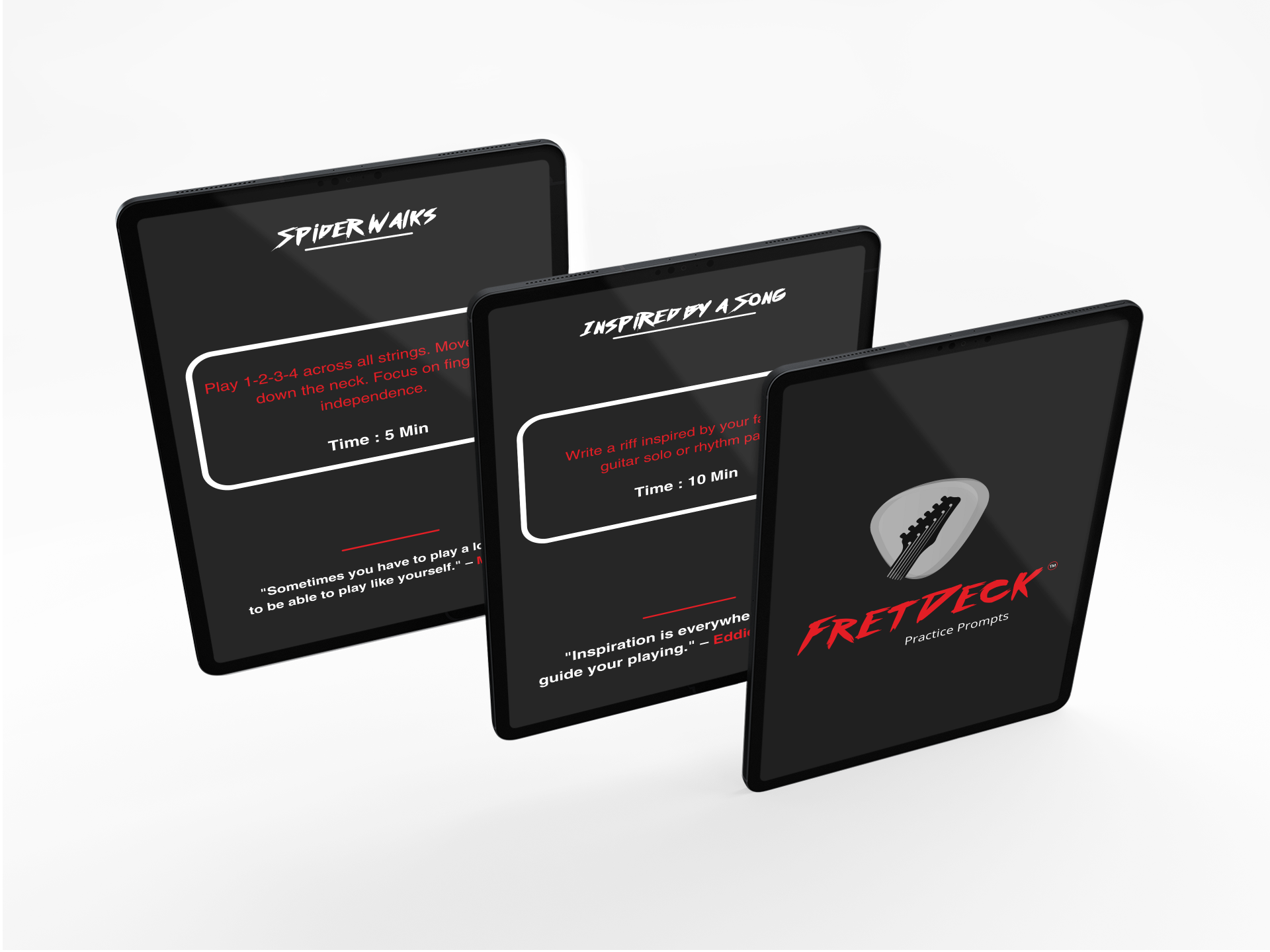
The Simple Guitar Practice System That Eliminates Guesswork
So You Can Stop Stalling… and Start Sounding Better Every Time You Pick Up the Guitar
👉 Get 52 Practice Prompts Now!
Why Self-Taught Guitarists Often Get Stuck
Let’s be honest. You started learning guitar with a fire in your belly. You pictured yourself effortlessly playing your favorite songs, maybe even writing your own. The reality, however, has been a bit different.
You likely fell into the “YouTube trap.” You watch a video on a cool riff, practice it for twenty minutes, and then get distracted by another video teaching a completely unrelated technique. There is no structure. Therefore, there is no real, measurable progress. You collect pieces of information but never build a solid foundation.
Furthermore, you have no feedback loop. Are you holding the pick correctly? Is your fretting hand muting the other strings? Without a teacher, you’re just guessing. These little mistakes compound over time, building bad habits that become incredibly difficult to unlearn later. As a result, you hit a plateau and can’t figure out why you aren’t improving.
This is where most aspiring guitarists quit. They blame themselves, thinking they “don’t have the talent.” However, the problem isn’t you. The problem is the method. You’re trying to build a house without a blueprint, and it’s frustrating.
What Makes a Great Guitar Learning App?
Not all apps are created equal. A flashy interface means nothing if the core teaching method is flawed. The best guitar learning app doesn’t just throw information at you; it acts as your personal digital tutor, guiding you step-by-step.
Specifically, it should provide a clear, linear curriculum. You need to start with the absolute fundamentals and progressively build upon them. For example, you should master basic open chords before you ever attempt complex barre chords. A well-designed app understands this and lays out a logical path for you to follow, removing all the guesswork. For some foundational knowledge before you even open an app, check out our beginner guitar tips.
Moreover, the secret sauce is real-time feedback. Modern apps use your device’s microphone to listen to you play. They tell you instantly if you hit a wrong note or if your timing is off. This immediate correction is the single most powerful feature, as it prevents you from practicing mistakes and building bad habits.
Think of it this way: a great guitar learning app combines the structure of a formal course with the convenience of modern technology. It’s available 24/7, fits in your pocket, and costs a fraction of the price of private lessons.
Core Features Every Good App Should Have
When you’re evaluating an app, it’s easy to get distracted by shiny objects. To help you focus, here are the non-negotiable features you should demand from any app you choose to invest your time in.
First and foremost is the structured lesson path. Does the app have a clear “Level 1” or “Beginner Path” that takes you from holding the guitar to playing your first song? If an app feels like a random collection of videos, delete it. You need a system, not more chaos.
Next, look for a robust song library. Theory and exercises are essential, but learning to play actual songs is what keeps you motivated. A good app will have a wide selection of popular songs across different genres, with simplified versions for beginners and full arrangements for advanced players.
Furthermore, check for essential built-in tools. A high-quality app should include a tuner, a metronome, and interactive chord and scale diagrams. Having these tools integrated means you don’t have to constantly switch between different apps, which streamlines your practice and keeps you focused.
Finally, consider gamification and progress tracking. Features like points, daily streaks, and achievement badges might seem silly, but they tap into our brain’s reward system. This makes practice feel less like a chore and more like a game, which is a powerful motivator to keep you coming back day after day.
The Simple Guitar Practice System That Eliminates Guesswork
So You Can Stop Stalling… and Start Sounding Better Every Time You Pick Up the Guitar
👉 Get 52 Practice Prompts Now!

How to Integrate an App into a Killer Practice Routine
Simply downloading a guitar learning app won’t magically make you a better player. You have to integrate it into a consistent practice habit. The app is the map, but you still have to drive the car.
The key is consistency, not duration. As Fender.com experts point out, practicing for a focused 20 minutes every day is far more effective than a rambling, unfocused 2-hour session once a week. Use the app to guide these short, daily sessions. Let it tell you what to work on.
For example, your routine could look like this:
- 5 minutes: Warm-up exercises provided by the app.
- 10 minutes: Work on the next lesson in the curriculum.
- 5 minutes: Try to play a song you’re learning from the app’s library.
That’s it. Just 20 minutes. The app removes the decision-making process. Consequently, you build momentum and see tangible progress, which fuels your motivation. For a more detailed guide on structuring your time, explore our definitive guide to the best practice routine.
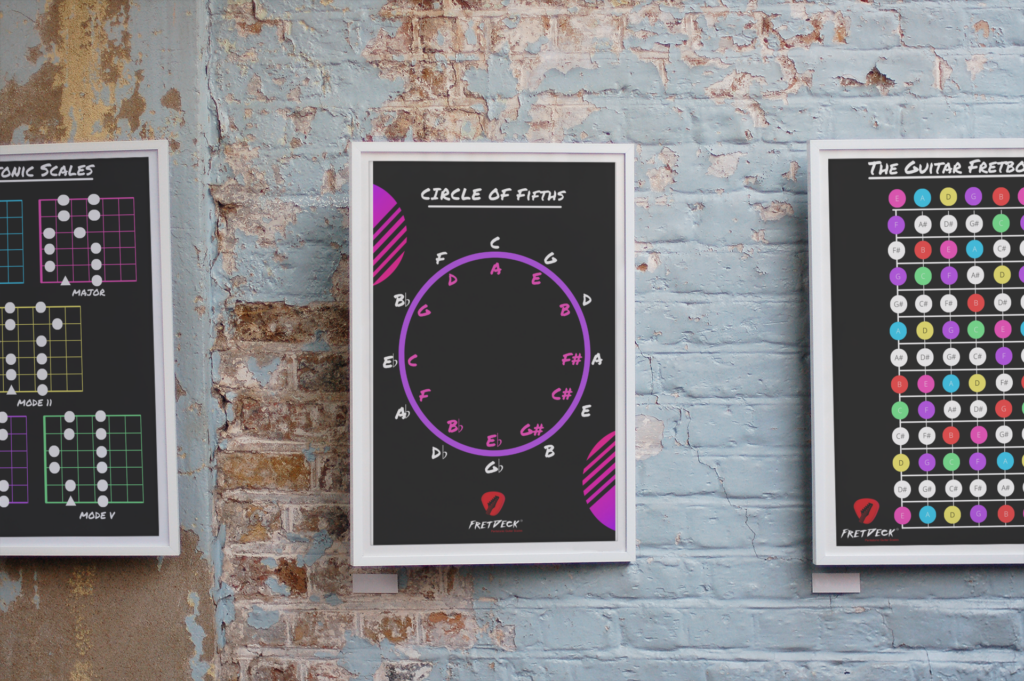
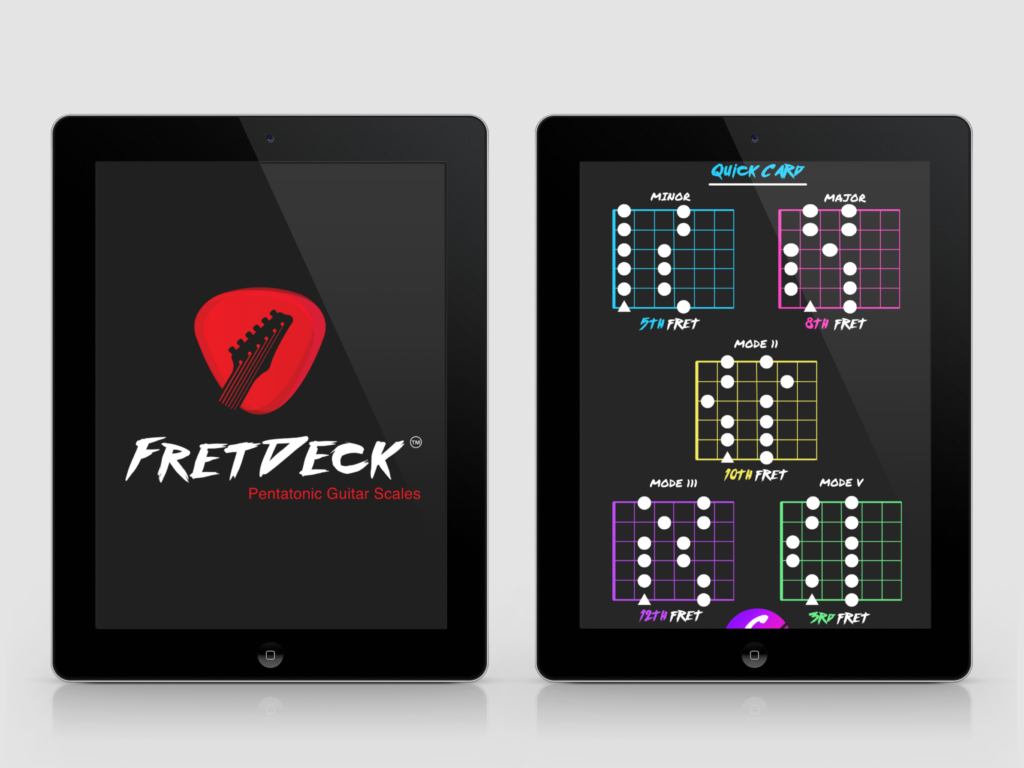
Also, consider complementing your digital routine with physical tools. For instance, a system like FretDeck uses physical cards to give you practice prompts, helping you get away from the screen and solidify concepts in a different way. The combination of a digital guide and a physical tool can be incredibly powerful.
5 Tips to Maximize Your App-Based Learning
You’ve chosen your app and you’re ready to start. Here’s how to ensure you’re getting the absolute most out of it.
1. Set a Consistent Schedule. Treat your app practice like an important appointment. Put it on your calendar. Protect that time. Even 15 minutes a day is enough to build a powerful habit and see massive gains over time.
2. Don’t Skip the Boring Stuff. It’s tempting to jump straight to the fun songs. However, you must resist this urge. Take the time to work through the theory lessons, like how to learn guitar scales. This foundational knowledge is what separates intermediate players from lifelong beginners.
3. Use Headphones. When using an app with real-time feedback, always wear headphones. This allows the app to hear your guitar clearly through the microphone without picking up its own backing track. As a result, the feedback you receive will be far more accurate.
4. Record Yourself. In addition to the app’s feedback, record yourself playing with your phone’s camera once a week. You will hear and see mistakes that you didn’t even know you were making. It’s a humbling but incredibly effective way to self-correct.
5. Supplement Your Learning. No single guitar learning app is a magic bullet. It’s a primary tool, but not your only one. Continue to explore resources from authority sites like Guitar World to learn about new gear and techniques. A well-rounded approach always wins.
Frequently Asked Questions
Can you really learn guitar with just an app?
Absolutely, but it requires discipline. A good guitar learning app provides the structure and feedback you need. However, you are the one who has to show up and do the work consistently. It’s a powerful tool, not a substitute for effort.
Are free guitar learning apps any good?
Free versions are great for getting your feet wet. They can teach you basic chords and how to tune your guitar. However, the truly game-changing features, like real-time feedback and full song libraries, are almost always behind a subscription paywall. Think of the free version as a trial.
How much time should I spend on a guitar learning app daily?
Focus on quality over quantity. A highly focused 15-30 minute session every day where you complete a lesson or master a small part of a song is far more valuable than mindlessly noodling for two hours. Consistency is your greatest ally.
The Simple Guitar Practice System That Eliminates Guesswork
So You Can Stop Stalling… and Start Sounding Better Every Time You Pick Up the Guitar
👉 Get 52 Practice Prompts Now!
The Simple Guitar Practice System That Eliminates Guesswork
So You Can Stop Stalling… and Start Sounding Better Every Time You Pick Up the Guitar
👉 Get 52 Practice Prompts Now!