
Are you searching for a guitar learning chart that finally makes sense of the fretboard? You’ve likely discovered that the journey from picking up a guitar to actually making music is filled with confusing twists and turns. It’s a path littered with random YouTube videos, contradictory advice, and overwhelming amounts of information.
You just want a clear, step-by-step roadmap. Something that tells you exactly what to practice next, so you can build real momentum and hear yourself improve. What you need is a system, a guide that takes the guesswork out of your practice sessions.
The Endless Search for a “Magic” Shortcut
Does this sound familiar? You sit down to practice, guitar in hand, ready to get better. But then the familiar paralysis kicks in. Should you work on chords? Or maybe scales? A new song?
You spend 10 minutes noodling on a riff you already know. Then, you spend another 15 minutes scrolling through videos, looking for that one “secret” that will unlock everything. Before you know it, 45 minutes have passed, and you haven’t actually learned anything new. You feel frustrated, stuck, and maybe even a little defeated.
This isn’t your fault. The problem isn’t a lack of effort; it’s a lack of direction. Without a structured plan, your practice sessions become a chaotic loop of repetition and distraction. As a result, you stay stuck on the beginner plateau, never quite reaching the level of playing you dream about. What you thought would be a fun hobby starts to feel like a chore.
The Simple Guitar Practice System That Eliminates Guesswork
So You Can Stop Stalling… and Start Sounding Better Every Time You Pick Up the Guitar
👉 Get 52 Practice Prompts Now!
Escaping the Plateau: The Power of a Structured Plan
The solution isn’t another random video or a complex music theory textbook. The solution is structure. Specifically, you need a framework that organizes the core elements of guitar playing into a logical, progressive path.
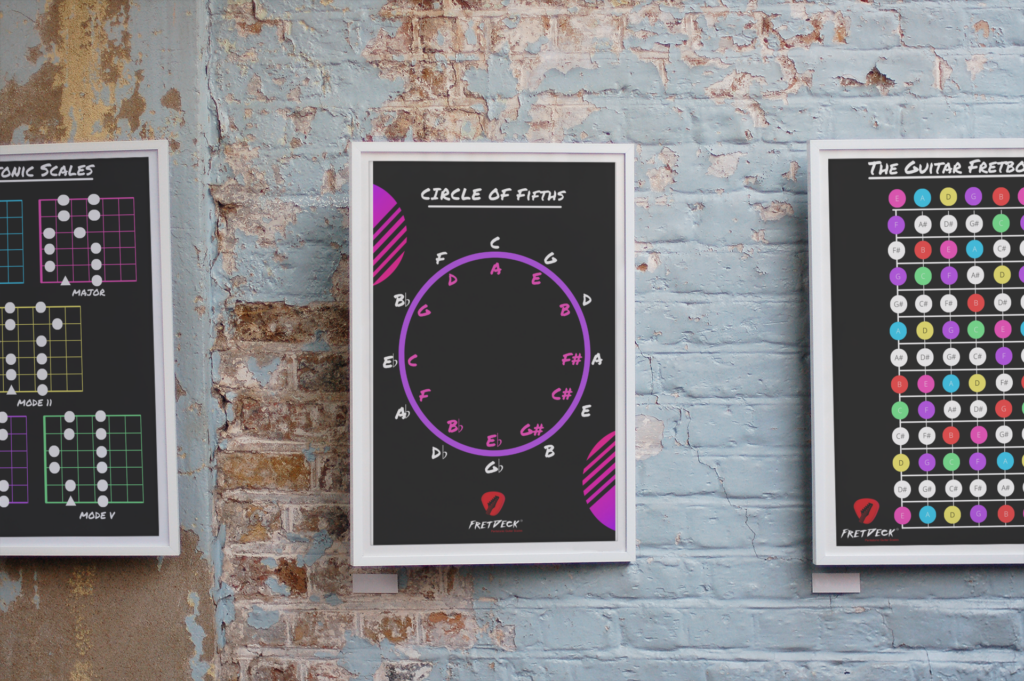
Think of it like building a house. You wouldn’t just start throwing up walls at random. First, you need a blueprint that lays out the foundation, the frame, the electrical, and the plumbing. A guitar learning chart is your musical blueprint. It provides the essential structure that everything else is built upon.
Moreover, this chart breaks down the massive goal of “learning guitar” into small, manageable daily tasks. Instead of feeling overwhelmed by the entire fretboard, you can focus on mastering one tiny piece at a time. For example, today might be about transitioning smoothly between G and C chords. As a result, you build confidence with every small win.

How to Use Your Guitar Learning Chart Effectively
Having a guitar learning chart is one thing; using it correctly is another. Your chart is not just a poster to hang on the wall; it’s an active tool for focused practice. Therefore, you must integrate it into your daily routine.
First, identify the core pillars of your chart. These typically include Chords, Scales, Technique, and Theory. Each day, dedicate a specific amount of time to one or two of these pillars. For example, Monday could be your chord day, where you focus exclusively on mastering new voicings and smooth transitions. You can find excellent chord diagrams and explanations on authority sites like Fender.com.
Furthermore, use your chart to track your progress. When you’ve mastered a concept, check it off. This simple action provides a powerful psychological boost. You can visually see how far you’ve come, which fuels your motivation to keep going. A well-designed guitar learning chart should feel like a game where you are constantly leveling up your skills. For more great resources on what to practice, check out Guitar World’s lessons section. Ultimately, consistency is the key to making any chart work for you.
The Simple Guitar Practice System That Eliminates Guesswork
So You Can Stop Stalling… and Start Sounding Better Every Time You Pick Up the Guitar
👉 Get 52 Practice Prompts Now!
Building Your Personal Practice Roadmap
While many pre-made charts exist, the most powerful guitar learning chart is one that is personalized to your goals. Do you want to be a campfire strummer, a blues improviser, or a metal shredder? Your long-term goals should dictate the contents of your chart.
Start with the fundamentals that every guitarist needs. These include the essential open chords (G, C, D, E, A, Em, Am, Dm), the minor pentatonic scale, and basic strumming patterns. These are the foundational building blocks of countless songs. Our guide on beginner guitar tips covers these essentials in great detail.
Once you have a solid grasp of the basics, you can start customizing. If you love blues, for example, your chart should prioritize learning the 12-bar blues form, dominant 7th chords, and various blues scale positions. If pop music is your thing, focus on the common chord progressions found in hit songs. You can dive deeper into this topic with our chord progression guide. This is where your chart transitions from a generic map to your personal treasure map, leading you directly to the music you want to play.
7 Steps to Maximize Your Chart’s Impact
To truly accelerate your progress, follow these practical steps to get the most out of your chart. This isn’t just about reading; it’s about doing.
1. Set a Specific Time: First, schedule a non-negotiable time slot for practice every day, even if it’s just 15 minutes. Consistency beats cramming.
2. Use a Metronome: When practicing anything from your chart, especially scales and chord changes, always use a metronome. Start slow and focus on clean technique before increasing the speed.
3. Focus on One Thing: Don’t try to learn everything at once. Dedicate each practice session to a single concept from your chart. This deep focus leads to faster mastery.
4. Record Yourself: Periodically record your playing. Listening back provides objective feedback that you can’t get while you’re in the moment. It helps you identify weaknesses to focus on next.
5. Apply Your Practice: This is crucial. After practicing a scale, try to create a simple melody with it. After learning a new chord, find a song that uses it. This bridges the gap between exercises and making real music. Check out our guide on how to learn guitar scales and apply them.
6. Review and Revise: At the end of each week, review your chart. What did you master? Where are you still struggling? Adjust your plan for the next week based on this review.
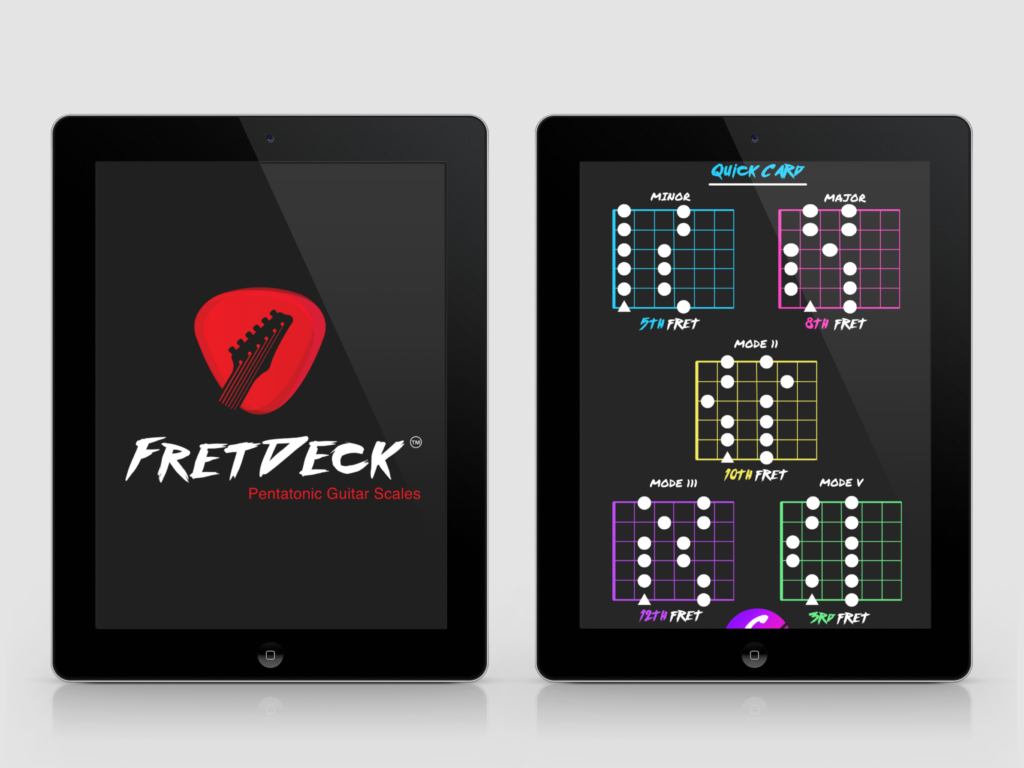
7. Stay Inspired: Use tools that keep practice engaging. Systems like FretDeck use randomized prompts to break you out of ruts and introduce new ideas, complementing your structured chart perfectly.
Frequently Asked Questions (FAQ)
What should be on a beginner guitar learning chart?
A great beginner chart should focus on the absolute fundamentals. Specifically, it should include diagrams for the 8 essential open chords (C, A, G, E, D, Am, Em, Dm), the C Major scale, the A minor pentatonic scale, and a diagram of the notes on the fretboard for the first five frets. It should also include simple strumming patterns and a few basic finger exercises to build dexterity.
How long does it take to get through a guitar learning chart?
This completely depends on your practice consistency and the chart’s complexity. A foundational guitar learning chart focused on beginner concepts could take anywhere from 3 to 6 months to master with consistent daily practice. However, you should view it less as a race to the finish line and more as a continuous guide. The goal is mastery of each step, not speed.
Can I make my own guitar learning chart?
Absolutely! In fact, creating your own chart is one of the best ways to ensure it aligns with your personal musical goals. Start with a foundational template of chords, scales, and theory. Then, add specific songs you want to learn, techniques you want to master (like bending or fingerpicking), and theorists or players you want to study. A personalized chart keeps you motivated and ensures you’re always working towards the kind of player you want to become.
The Simple Guitar Practice System That Eliminates Guesswork
So You Can Stop Stalling… and Start Sounding Better Every Time You Pick Up the Guitar