
Having a clear guitar learning roadmap is the most crucial element for your success as a guitarist. Without a plan, you’re navigating a vast ocean of information with no compass, which is why so many aspiring players quit in frustration. You’ve picked up the guitar for a reason—to play your favorite songs, to create music, or simply to enjoy a new passion. This guide will provide the structure you need.
You feel that burning desire to play. You see your heroes on stage and think, “I want to do that.” So, you buy a guitar, full of excitement and ambition. You open YouTube and find a tutorial for “Wonderwall.” You try to follow along, but your fingers feel clumsy and slow. Your chords buzz and sound nothing like the recording.
As a result, you jump to another video. This time it’s a “learn guitar in 10 days” promise. Then you find a cool-looking riff on TikTok. Before you know it, you’ve spent an hour browsing but haven’t actually improved. This scattered approach is the number one dream killer for new guitarists. Without a structured guitar learning roadmap, you are just spinning your wheels, collecting random bits of information without building a solid foundation. Consequently, the frustration builds, and the guitar starts gathering dust in the corner.
This is not your fault. The internet offers endless information but very little direction. However, today that changes. We are going to build your personal guitar learning roadmap, a clear path from A to B that eliminates the guesswork and gets you real results.
The Simple Guitar Practice System That Eliminates Guesswork
So You Can Stop Stalling… and Start Sounding Better Every Time You Pick Up the Guitar
👉 Get 52 Practice Prompts Now!
The Overwhelm is Real: Why Random Lessons Fail
Have you ever felt like you’re practicing a lot but not getting any better? You’re not alone. The problem isn’t your talent or your dedication; it’s the lack of a system. You learn a G chord here, a pentatonic scale there, but you don’t know how they connect. It’s like collecting puzzle pieces without ever looking at the box.
For example, a beginner might try to learn a complex solo from a Guitar World magazine feature before they can even change chords smoothly. This is a recipe for disaster. It leads to bad habits, immense frustration, and the false belief that “I’m just not musical.”
Furthermore, this random approach creates huge gaps in your knowledge. You might know a few fancy licks but struggle to play a simple three-chord song in time. This is incredibly disheartening. What you need is a logical progression, a step-by-step journey that builds skills incrementally. In other words, you need a plan that ensures every practice session moves you forward.

The Foundation: Phase 1 – Your First 90 Days
The first three months of your journey are absolutely critical. This is where you build the fundamental skills and habits that will serve you for the rest of your playing career. Forget about shredding solos for now. Specifically, this first phase of your guitar learning roadmap is all about building calluses, muscle memory, and a solid rhythmic foundation.
Your primary focus should be on the basics. First, learn the parts of your guitar and how to hold it correctly. Proper posture and hand position will prevent bad habits and potential injuries down the line. Moreover, you will want to master your basic open chords. Start with the “campfire chords” like G, C, D, Em, Am, and E. These chords are the building blocks of thousands of popular songs.
Next, you must practice changing between these chords. Use a metronome and start slowly. The goal is clean, smooth transitions, not speed. As a result, your playing will sound professional and tight. For more detailed advice, check out these essential beginner guitar tips that can save you weeks of frustration. Finally, work on simple strumming patterns. Start with just down strums, then introduce up strums. The key is to stay in time with the beat.
Building the House of Tone: Phase 2 – The Intermediate Stage
Once you can comfortably switch between your open chords and play a few simple songs, you are ready for Phase 2. This stage typically happens between months 3 and 12. As you progress in your guitar learning roadmap, you’ll encounter new challenges that expand your musical vocabulary significantly.
The biggest hurdle for most players in this phase is the dreaded barre chord. These chords, like F and Bm, require you to press down all six strings with your index finger. They are difficult at first, but they are non-negotiable. Therefore, you must dedicate a small part of every practice session to them. Your hand strength will build over time, and soon they will feel as easy as a G chord.
In this phase, it’s also time to explore single-note playing. You should begin to learn guitar scales, starting with the minor pentatonic scale. This is the foundation for rock, blues, and pop solos. Learning its five shapes across the fretboard unlocks your ability to improvise and create your own melodies. Furthermore, you should start paying attention to basic music theory, like what makes a major or minor key. This isn’t about becoming a classical scholar; it’s about understanding the “why” behind the music you love.
Crafting Your Personal Guitar Learning Roadmap
After about a year of consistent practice, you’ll have a solid intermediate skill set. Now, your guitar learning roadmap can become more personalized. This is the exciting phase where you start to specialize and develop your unique voice as a guitarist. What kind of music do you truly want to play?
For example, if you love blues, you should dive deep into 12-bar blues progressions, string bending, and vibrato techniques. If you’re drawn to acoustic fingerstyle, you’ll focus on artists like Tommy Emmanuel and work on your finger independence and travis picking. If rock and metal are your passion, now is the time to master palm muting, power chords, and alternate picking speed.
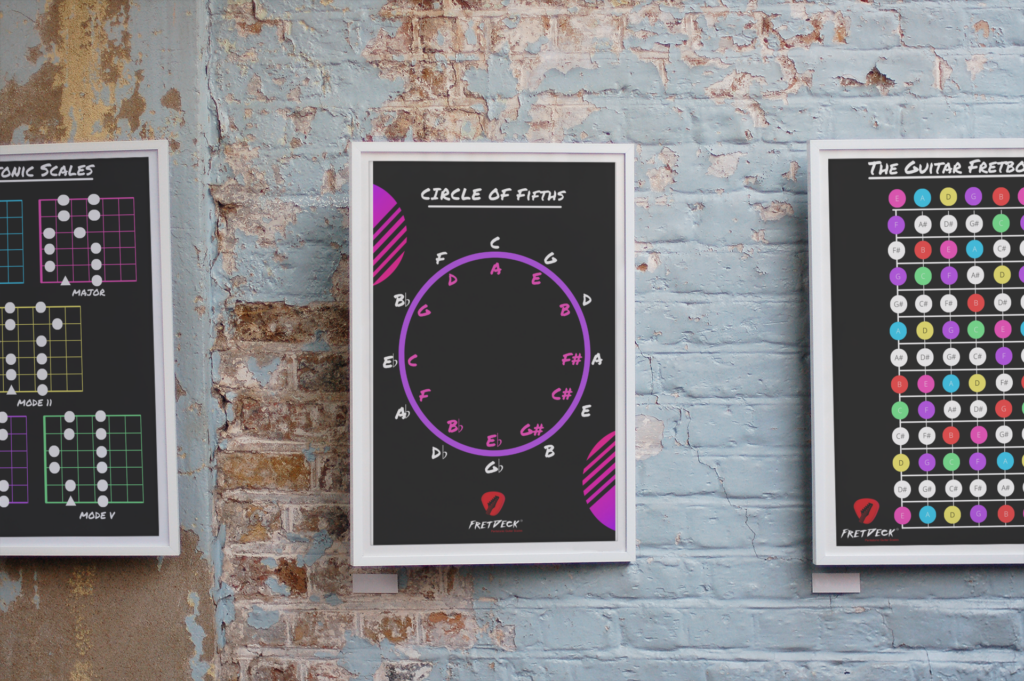
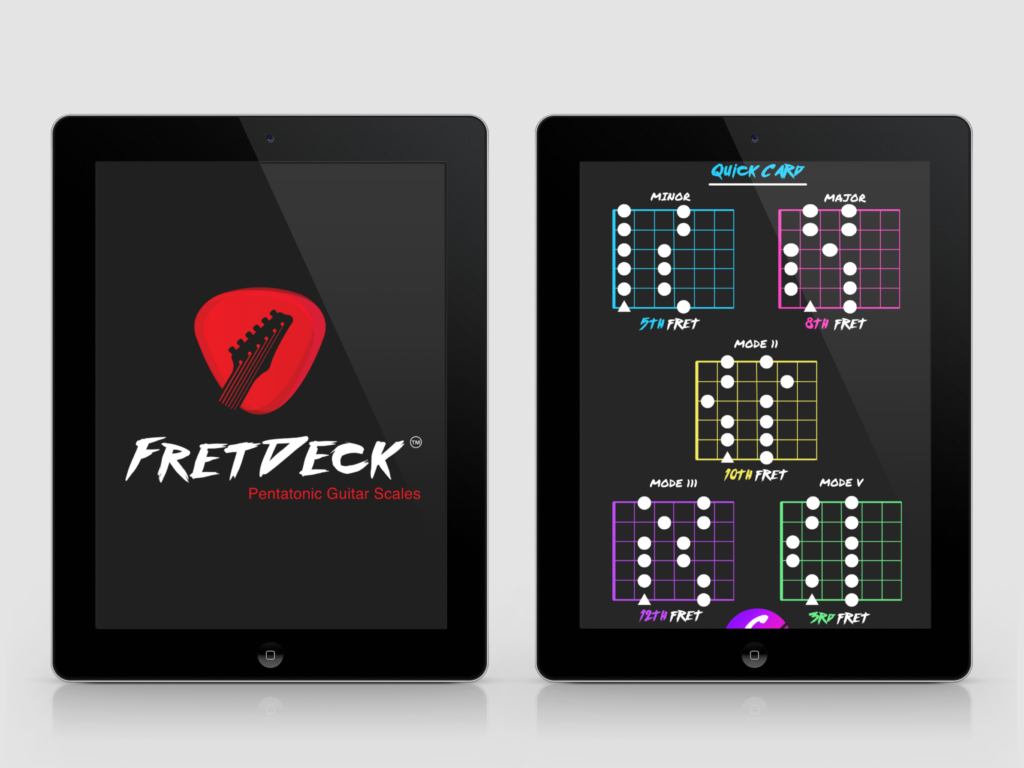
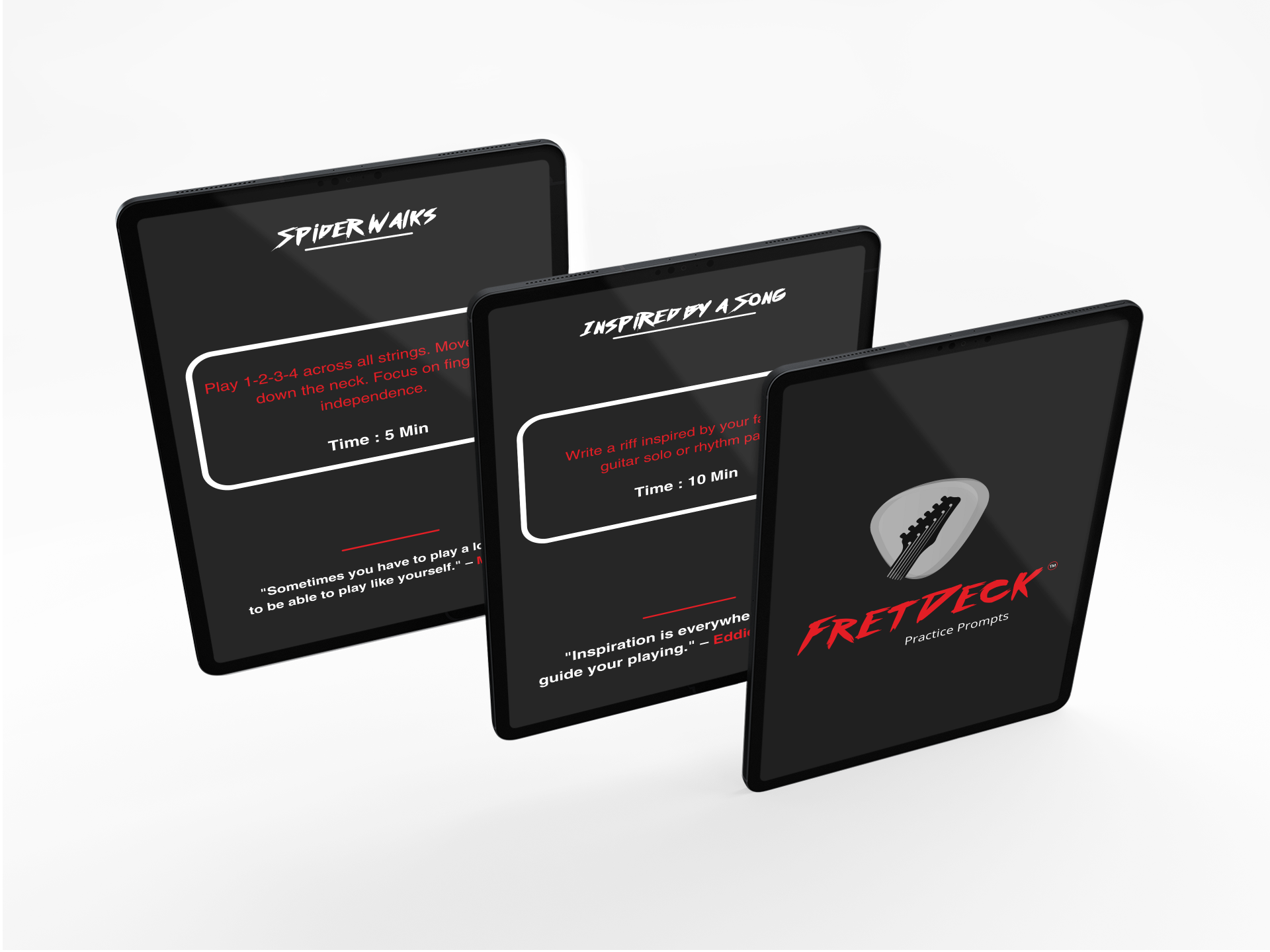
This is also the perfect time to incorporate tools that keep your practice focused. Using a system like FretDeck can provide structured prompts that ensure you’re working on the right things in the right order, pushing you into new creative territory. The goal here is to move beyond just copying other guitarists and start applying your skills. You can begin learning songs by ear, improvising solos over backing tracks, and even writing your own riffs and chord progressions.
5 Practical Tips for Sticking to Your Roadmap
A plan is only useful if you follow it. Here are five practical tips to ensure you stay on track.
1. Set Micro-Goals. Instead of a vague goal like “get good,” set a specific, achievable goal for the week. For example, “I will learn the F barre chord and be able to switch to it cleanly from a C chord.”
2. Practice Consistently. 15-20 minutes of focused practice every day is far more effective than a single 3-hour session on the weekend. This consistency builds muscle memory much faster. Building the perfect best practice routine is a skill in itself.
3. Record Yourself. Use your phone to record your playing once a week. It can be painful to listen to at first, but it is the single best tool for identifying your weaknesses and tracking your progress.
4. Embrace the Plateaus. You will hit plateaus where it feels like you’re not improving. This is a normal part of learning any skill. Push through, trust your guitar learning roadmap, and you will have a breakthrough.
5. Maintain Your Instrument. A guitar that is hard to play will kill your motivation. Learn basic maintenance, like how to change your strings. A properly set up instrument is a joy to play. Check out this guide from Fender on electric guitar setup to get started.
The Simple Guitar Practice System That Eliminates Guesswork
So You Can Stop Stalling… and Start Sounding Better Every Time You Pick Up the Guitar
👉 Get 52 Practice Prompts Now!
Frequently Asked Questions
How long does it take to get good at guitar?
This is the most common question, and the answer is: it depends. With consistent practice following a solid plan, most people can play songs they love within 6-12 months. “Getting good” is subjective, but a good guitar learning roadmap accelerates this process by focusing your efforts efficiently.
Should I learn on an acoustic or electric guitar?
The best guitar to learn on is the one that makes you want to play music you love. If you dream of playing rock solos, get an electric. If you love singer-songwriter music, an acoustic is a great choice. The fundamentals are the same on both, though acoustic strings can be a bit tougher on the fingers at first.
Do I need to learn music theory?
You don’t need a university degree in it, but learning a little bit of music theory is incredibly powerful. It helps you understand how chords and scales fit together, making it easier to learn songs, write your own music, and improvise. Think of it as learning the grammar of the musical language you’re speaking.
This entire guitar learning roadmap is designed to give you structure in a world of chaos. Follow these phases, practice with intention, and you will become the guitarist you’ve always dreamed of being.
The Simple Guitar Practice System That Eliminates Guesswork
So You Can Stop Stalling… and Start Sounding Better Every Time You Pick Up the Guitar
👉 Get 52 Practice Prompts Now!
The Simple Guitar Practice System That Eliminates Guesswork
So You Can Stop Stalling… and Start Sounding Better Every Time You Pick Up the Guitar
👉 Get 52 Practice Prompts Now!