Have you ever typed “guitar lesson pdf” into Google, hoping to find that one magic document that will finally unlock the fretboard for you? If you’re like most aspiring guitarists, you have a folder on your computer overflowing with downloads, yet you still feel stuck. You’re not alone in this frustrating cycle.
The truth is, information isn’t the problem. In fact, we are drowning in it. The real issue is the lack of a clear, actionable system to turn that information into music.
You download a PDF on scales, another on chords, and a third on blues licks. Consequently, you feel productive for a moment. But when you pick up your guitar, you’re faced with the same old question: “What do I actually do right now?” This is where the progress stalls.
The Simple Guitar Practice System That Eliminates Guesswork
So You Can Stop Stalling… and Start Sounding Better Every Time You Pick Up the Guitar
👉 Get 52 Practice Prompts Now!
The Vicious Cycle of the ‘Free’ PDF
Let’s be honest. The excitement of finding a new guitar lesson pdf fades quickly. It starts with a hopeful click. You see a flashy cover promising to teach you “Every Scale You’ll Ever Need!” or “50 Must-Know Rock Licks.”
However, once it’s saved to your hard drive, it becomes just another file. It’s a static page of dots and lines. It can’t listen to you, correct your mistakes, or tell you why a certain note sounds good over a particular chord. As a result, you dabble with it for ten minutes, get overwhelmed or bored, and then move on.
The next day, the cycle repeats. You search for another PDF, believing the next one will be different. This is the shiny object syndrome of guitar learning. Furthermore, it creates the illusion of progress without any real skill development. You become a collector of information instead of a player of music.

This digital clutter leads to analysis paralysis. Because of this, you have too many options and no clear path forward. Therefore, you end up noodling the same old patterns, never truly breaking through to the next level. If this sounds familiar, it’s time for a new approach.
Beyond the Static Page: What Makes a Good Lesson?
A single PDF is like one page torn from a textbook. It might contain a brilliant piece of information, but it lacks the surrounding context that makes it truly useful. To make real, lasting progress, you need a system, not just a document.
Specifically, a great lesson—whether it’s from a teacher, a video course, or a well-structured plan—contains three crucial elements:
1. Clear Context: It explains why you are learning something. For example, instead of just showing you a scale pattern, it shows you how that scale is used in a famous song. 2. Guided Application: It gives you a specific, actionable exercise. For instance, “Play this C major scale over this backing track at 80 bpm for two minutes.” 3. A Path Forward: It connects today’s lesson to what you’ll do tomorrow. It builds momentum by stacking small wins on top of each other.
A standalone guitar lesson pdf rarely provides all three. It’s a fantastic reference tool, but it’s not a complete teacher. You must be the one to provide the context and the plan. For many players, especially those just starting, this is a huge challenge. That’s why so many ambitious beginners can find great value in our list of beginner guitar tips to build a solid foundation.
How to Use Any Guitar Lesson PDF for Maximum Growth
So, should you delete that folder of PDFs? Not at all! Instead, you need to learn how to transform them from static documents into active parts of your practice routine. You can take any guitar lesson pdf and make it work for you by following a simple framework.
First, define a single, measurable goal. Don’t just “learn the pentatonic scale.” Instead, your goal should be, “I will be able to play the A minor pentatonic scale in the first position, cleanly, at 100 bpm by the end of this week.” This specificity gives you a clear target to aim for.
Second, break it down into tiny pieces. If the PDF shows five scale shapes, focus on only one. Master it completely before you even look at the next one. Spend an entire practice session on just three or four notes if you have to. Moreover, as experts at Guitar World magazine often emphasize, slow and deliberate practice is far more effective than fast and sloppy playing.
Third, always practice with a purpose. Don’t just run scales up and down. Find a simple backing track on YouTube in the correct key. Now, try to create simple melodic phrases using the notes from your PDF. This step is critical because it bridges the gap between technical exercise and actual music. This is where you can begin to truly learn guitar scales in a musical context.
Finally, apply it immediately. Later that day, or the very next, try to find the scale or chord from your guitar lesson pdf in a song you love. By connecting the theory to real-world music, you anchor it in your memory and your ears.
Building Your Personal Practice System
A truly effective practice routine is more than just a collection of exercises. It’s a balanced system that develops all aspects of your musicianship. Eventually, you’ll want to build a routine that includes several key components.
Think of it like a balanced diet. You can’t just eat protein. You also need carbs, fats, and vitamins. Similarly, on guitar, you can’t just practice scales.
Your personal system should include time for:
- Technique: This is where your scale and picking exercises from a PDF might fit in.
Theory & Knowledge: Learning why* things work. For example, studying how chords are built or how they fit together in a key. This is the perfect time to explore a good chord progression guide.
- Repertoire: Learning and polishing actual songs. This is a crucial step that makes all the theory and technique worthwhile.
- Ear Training: Learning to recognize intervals, chords, and melodies by ear.
- Improvisation/Songwriting: The creative part where you apply all your skills to make your own music.
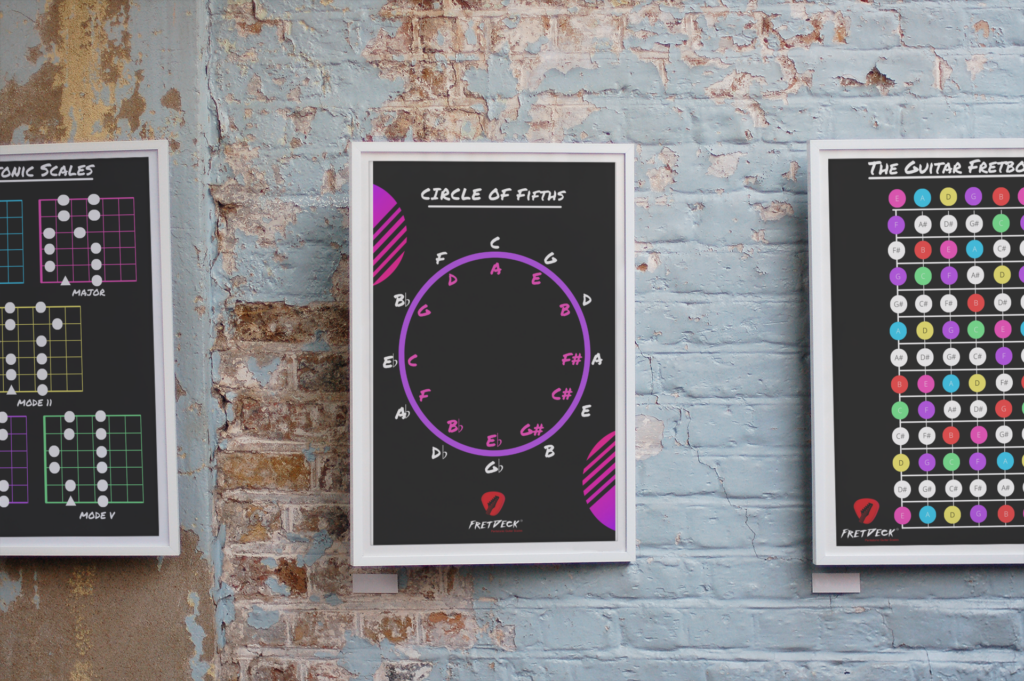
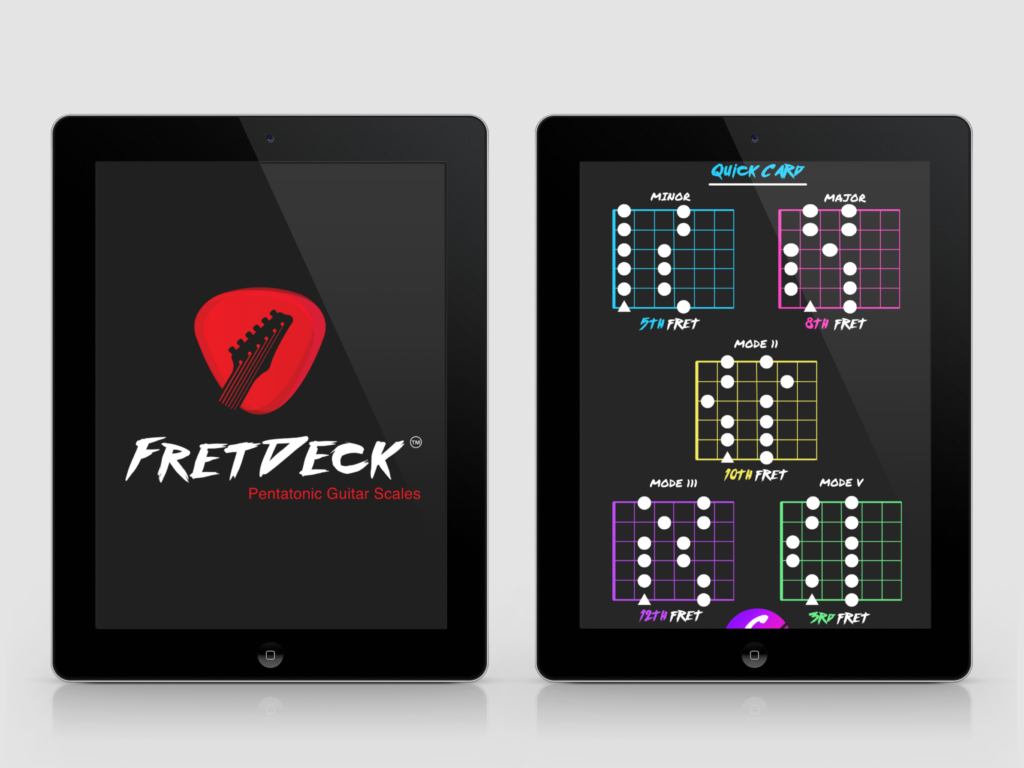
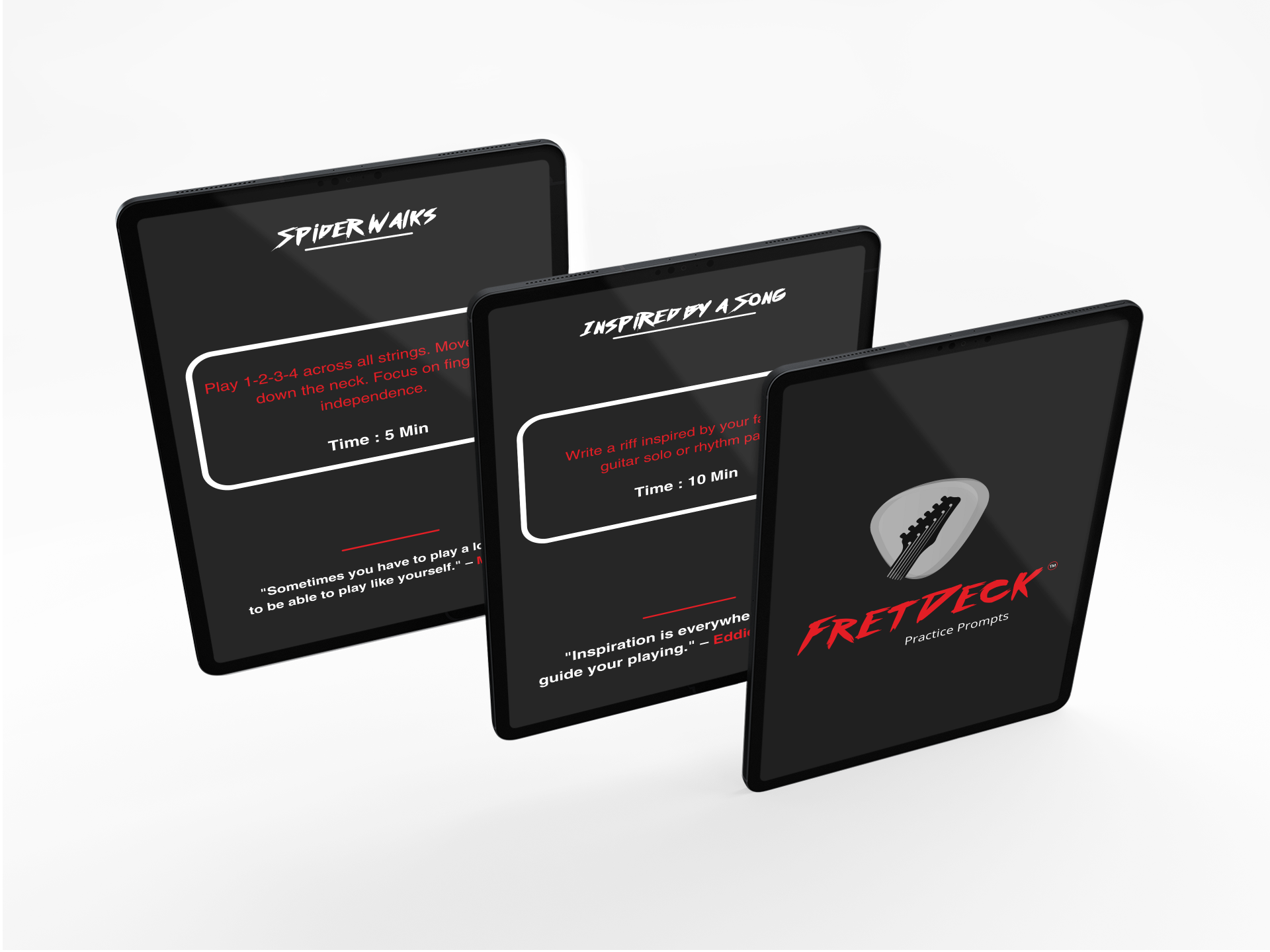
This might seem like a lot to juggle. However, you don’t need to do everything every day. You could dedicate one day to technique, the next to repertoire, and so on. Tools that help you structure this, like the simple card-based system in resources like FretDeck, can remove the guesswork entirely. As noted by resources on Fender’s official site, a structured plan is a key differentiator for success.
The Simple Guitar Practice System That Eliminates Guesswork
So You Can Stop Stalling… and Start Sounding Better Every Time You Pick Up the Guitar
👉 Get 52 Practice Prompts Now!
5 Actionable Steps to Take Today
Ready to stop collecting and start playing? Here is what you can do right now to make progress.
1. Audit Your PDF Folder: Go through your downloads and delete anything you haven’t looked at in six months. Keep only the 3-5 that seem most relevant to your current goals. 2. Pick ONE Thing: From the remaining PDFs, choose ONE concept to focus on for the entire week. It could be a new chord, one scale shape, or a short lick. 3. Schedule Practice Time: Block out 20-30 minutes in your calendar for the next three days. Treat it like an important appointment you cannot miss. 4. Record Yourself: Use your phone to record yourself playing the exercise at the beginning and end of the week. The audible progress will be a huge motivator. 5. Apply What You Learn: Find a simple song that uses the chord or scale you’re practicing. The goal is to use your new skill in a musical context as soon as possible.
FAQ: Your Guitar Lesson PDF Questions Answered
What’s the best guitar lesson PDF for beginners?
The best PDF for a beginner is one that focuses on the absolute fundamentals: the 8-10 essential open chords (like G, C, D, A, E, Am, Em, Dm) and how to switch between them cleanly. Look for documents that include simple, popular songs that use only these chords. More importantly, it should be simple and not overwhelm you.
Can I learn guitar just from a PDF?
Realistically, it is extremely difficult. A PDF is a great supplementary tool for referencing fingerings or theory, but it provides no feedback. You can’t hear the rhythm, you can’t see the proper technique, and it can’t correct you. Therefore, you should combine PDFs with video lessons, a teacher, or a structured practice app to get the auditory and visual context you need.
Where can I find a good quality guitar lesson PDF?
Many authority guitar websites offer excellent free resources alongside their articles. However, the key isn’t just finding a high-quality guitar lesson pdf; it’s how you integrate that document into a structured, consistent practice routine. We offer many downloadable guides right here on GuitarFreaksBlog to support your journey.
The Simple Guitar Practice System That Eliminates Guesswork
So You Can Stop Stalling… and Start Sounding Better Every Time You Pick Up the Guitar
👉 Get 52 Practice Prompts Now!
The Simple Guitar Practice System That Eliminates Guesswork
So You Can Stop Stalling… and Start Sounding Better Every Time You Pick Up the Guitar
👉 Get 52 Practice Prompts Now!