Are you looking for a fun guitar practice game to finally smash through that frustrating plateau? If you feel stuck playing the same licks and chords over and over, you’re not alone. Many guitarists hit a wall where practice feels more like a chore than a passion. It becomes a grind of mindless repetition with very little progress to show for it.
The secret isn’t necessarily to practice more, but to practice smarter. Furthermore, you need to make it engaging enough that you actually look forward to picking up your guitar every single day. This is where turning your sessions into a game can completely change your trajectory as a musician.
Instead of dreading your daily drills, you can transform them into exciting challenges with clear goals and rewarding outcomes. Consequently, you’ll find yourself more focused, motivated, and making tangible progress faster than you ever thought possible.

The Simple Guitar Practice System That Eliminates Guesswork
So You Can Stop Stalling… and Start Sounding Better Every Time You Pick Up the Guitar
👉 Get 52 Practice Prompts Now!
The “Practice Paradox”: Why You’re Not Getting Better
Have you ever felt this? You sit down, guitar in hand, fully intending to have a productive practice session. But then, you just noodle around on the same old pentatonic scale shape. Or perhaps you endlessly cycle through the same three chords, hoping they will magically sound tighter.
This is the “Practice Paradox.” Specifically, you’re putting in the time, but the needle isn’t moving. Your fingers don’t seem to be getting any faster, and your chord changes are still clumsy and slow. As a result, frustration builds, and the guitar starts gathering dust in the corner.
The root of the problem is often a lack of structure and engagement. Mindless repetition without a clear goal leads to boredom. Moreover, without a way to measure your progress, it’s impossible to see if you’re actually improving, which kills your motivation. You need a system that introduces challenge, tracks success, and makes the process genuinely enjoyable.
Unlocking Your Potential: Why Gamification Works
Think about why video games are so addictive. They give you a clear mission, small achievable goals (levels), a scoring system, and rewards for success. You get a little hit of dopamine every time you level up or defeat a boss. So, what if you could apply those same principles to your guitar playing?
That’s the core idea behind creating a guitar practice game. You’re hijacking your brain’s natural reward system to make practice compelling.
When you frame a task as a game, several powerful things happen:
- You Have a Clear Objective: Instead of “practice scales,” your mission becomes “play the A minor pentatonic scale at 120bpm without mistakes.”
- You Get Instant Feedback: You either hit the notes cleanly, or you don’t. You either beat your old high score, or you miss it. This feedback is immediate and actionable.
- Progress is Measurable: You can track your scores, your fastest tempos, or the number of successful chord changes in a minute. Seeing these numbers go up is incredibly motivating.
This approach transforms a tedious task into an exciting challenge. Therefore, you stay engaged longer and push yourself harder, leading to rapid improvement.
How to Create Your Own Guitar Practice Game
Building your own guitar practice game isn’t complicated. In fact, you can create one in just a few minutes using any technique you’re currently working on. It’s a simple framework that revolves around goals, rules, and rewards.
Here’s a simple, four-step process to get you started:
1. Define a Clear, Specific Objective. First, you must know what you’re trying to achieve. “Get better at chords” is too vague. Instead, a better objective is “Perform 30 clean changes between G and C in 60 seconds.” A specific goal gives you a clear target to aim for.
2. Set Rules and Constraints. Next, a game needs rules. For our chord-changing example, the rules might be: you must use a metronome, each chord must ring out cleanly with no muted strings, and you must use proper fingering. These constraints create the challenge. You can build this into your existing best practice routine to give it more structure.
3. Create a Simple Scoring System. Then, you need a way to keep score. For example, give yourself +1 point for every perfect chord change. If you want to make it harder, you could even subtract a point for a buzzy or muted string. The goal is to beat your “high score” in the next session.
4. Establish a Reward. Finally, what happens when you win? The reward doesn’t have to be monumental. It could be as simple as allowing yourself to learn a fun riff from your favorite song, or maybe you get to spend 10 minutes just jamming over a backing track. This positive reinforcement closes the loop and makes you eager to play again.
The Simple Guitar Practice System That Eliminates Guesswork
So You Can Stop Stalling… and Start Sounding Better Every Time You Pick Up the Guitar
👉 Get 52 Practice Prompts Now!
5 Killer Guitar Practice Game Ideas You Can Use Today
Ready to play? Here are five simple but incredibly effective game ideas you can implement in your very next practice session.
1. The Metronome Boss Battle This is a classic game for building speed and accuracy. Pick any scale, lick, or exercise. Start at a very slow, comfortable tempo on your metronome. If you can play it perfectly three times in a row, you’ve “defeated” that level. As a reward, increase the metronome by 4-5 BPM. Continue this process, increasing the tempo with each successful round. The “final boss” is the fastest tempo you can play the lick at perfectly. This is a fantastic way to apply what you learn about guitar scales.
2. The 60-Second Chord Change Challenge This is the ultimate game for smoothing out your chord transitions. Choose two or more chords you’re working on. Set a timer for 60 seconds and see how many clean, perfect changes you can make in that time. Write down your score. The next day, your only goal is to beat that number. It’s simple, effective, and highly addictive.
3. The “Don’t Break the Chain” Game This game is all about consistency. Your goal is to play a short song section or a chord progression perfectly a certain number of times in a row, for example, 10 times. If you make a mistake on the 9th repetition, the chain is broken, and you have to start over from zero. This builds mental toughness and focus like nothing else.
4. The Blindfolded Fretboard Navigator Want to truly internalize the fretboard? This is the game for you. Start by playing a simple C major scale. Now, try to do it with your eyes closed. For a harder challenge, try to find every “C” note on the fretboard without looking. This forces you to rely on muscle memory and your ears, a critical skill for any guitarist. For some great exercises to try, check out the lessons on Guitar World.
5. The Song-A-Day Challenge This is less of a minute-to-minute game and more of a long-term quest. The objective: learn one new, simple song (or at least the main riff/chord progression) every day for a week. This forces you to move past your comfort zone and rapidly expand your repertoire. It’s a powerful guitar practice game for building a library of songs you can actually play.
Tools to Supercharge Your Practice Game
While you can play these games with just your guitar and a metronome, a few tools can make the experience even more engaging.
- Gamified Apps: Apps like Yousician and Rocksmith+ are essentially complex video games that use your real guitar as the controller. They offer real-time feedback and a structured path from beginner to advanced.
- Backing Tracks: Playing along to a drum machine or a full backing track on YouTube instantly makes practice feel more like a real musical situation.
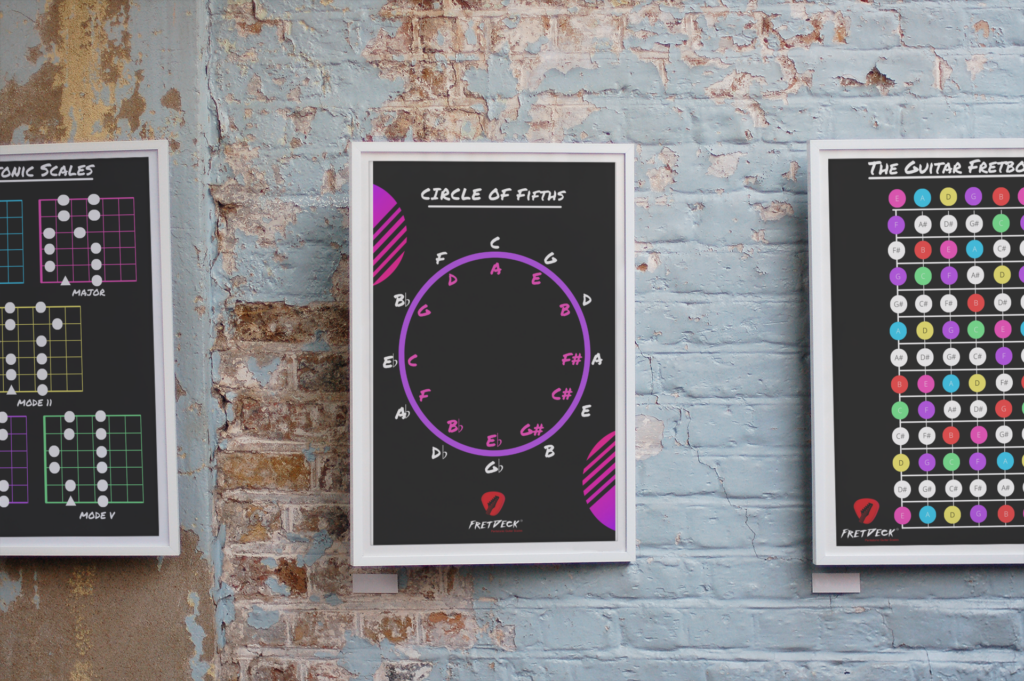
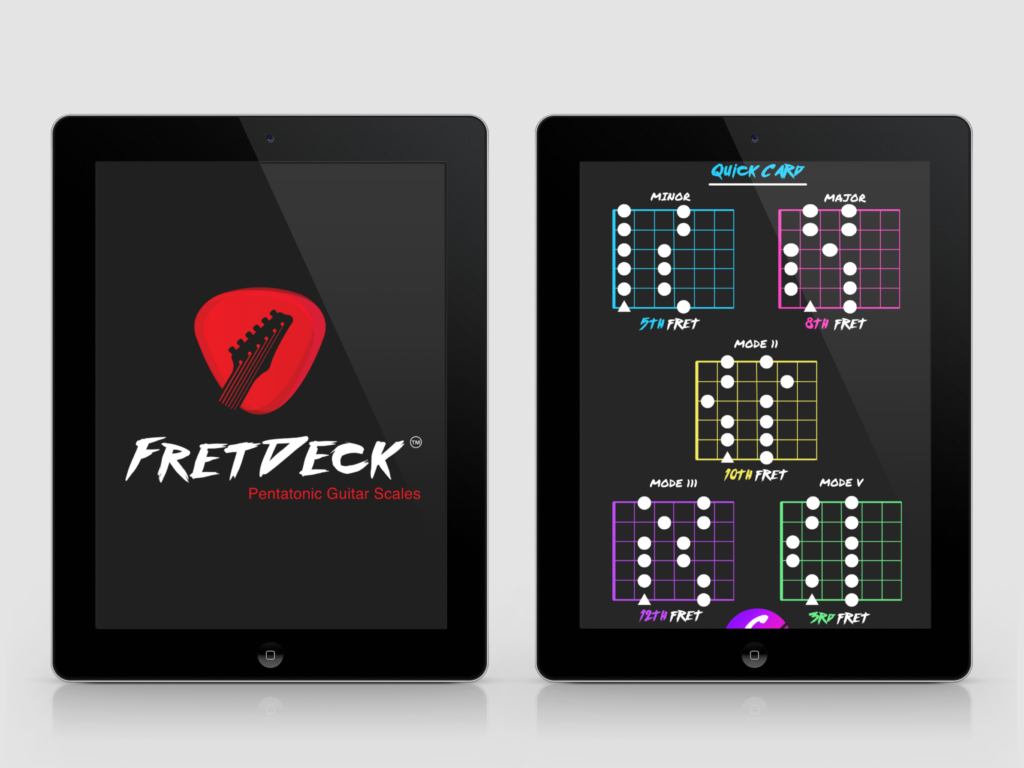
- Physical Tools: Sometimes getting away from screens is best. A unique tool like FretDeck uses a deck of physical cards to randomize your practice sessions, turning what to practice next into a fun game of chance.
- Practice Journals: Simply writing down your “high scores” each day in a notebook can provide a powerful sense of accomplishment.
You can find a great list of other helpful apps and tools on websites like Fender’s official blog.
Frequently Asked Questions About the Guitar Practice Game
How often should I play a guitar practice game?
You can incorporate a guitar practice game into every session! A good approach is to use a 10-15 minute game as a warm-up to get you focused and engaged. You can also dedicate entire sessions to a specific “game” if you’re working on a particular technique.
Can a beginner really benefit from this?
Absolutely. In fact, beginners may benefit the most. It helps build foundational skills in a way that is fun and rewarding, which is crucial for staying motivated in the early stages. Many core beginner guitar tips can easily be turned into a fun mini-game.
What’s the difference between a game and just focused practice?
The difference lies in the mindset and structure. Focused practice is about repetition with a goal. A game adds layers of rules, scoring, and winning/losing conditions. It reframes the “work” as “play,” which can significantly boost focus and enjoyment, making your practice sessions far more effective.
The Simple Guitar Practice System That Eliminates Guesswork
So You Can Stop Stalling… and Start Sounding Better Every Time You Pick Up the Guitar
👉 Get 52 Practice Prompts Now!
The Simple Guitar Practice System That Eliminates Guesswork
So You Can Stop Stalling… and Start Sounding Better Every Time You Pick Up the Guitar
👉 Get 52 Practice Prompts Now!