
The single most important step you can take to make real, tangible progress is to create a consistent guitar practice system. Without a system, you are simply noodling, hoping for the best, and wondering why you still sound the same as you did six months ago.
You pick up your guitar, full of ambition. You play a few familiar riffs, maybe stumble through a scale you half-remember, and then… what? You scroll through YouTube, get distracted, and put the guitar down feeling more frustrated than when you started.
This cycle of unproductive “practice” is the number one reason guitar players quit. But it doesn’t have to be your story.

The Simple Guitar Practice System That Eliminates Guesswork
So You Can Stop Stalling… and Start Sounding Better Every Time You Pick Up the Guitar
👉 Get 52 Practice Prompts Now!
Why “Just Playing” Isn’t Getting You Anywhere
Have you ever felt stuck on the dreaded “practice plateau”? It’s that frustrating place where you spend hours with your guitar but see zero improvement. You feel like you’re spinning your wheels.
This happens because you lack structure. For example, you might be great at playing cowboy chords but can’t connect them into a song. Or perhaps you can shred a scale up and down but have no idea how to use it musically.
Without a plan, you gravitate toward what’s easy and comfortable. However, growth only happens when you push your boundaries. Unstructured practice reinforces your weaknesses instead of fixing them. As a result, you waste precious time and your motivation plummets.
The 4 Pillars of Unstoppable Guitar Progress
So, what’s the secret? The solution is to think like a professional. Professionals don’t just “play”; they practice with intent, following a structured routine. Their practice sessions are built on four key pillars.
Pillar 1: Targeted Warm-ups
First, you must warm up your hands and your mind. This isn’t just about noodling; it’s about preparing your fingers for the work ahead. Simple chromatic exercises or finger stretches get the blood flowing and prevent injury. Furthermore, this initial phase shifts your brain into “practice mode,” focusing your attention for the session.
Pillar 2: Technique & Dexterity
Next, you dive into pure technique. This is where you build the muscle memory that makes playing feel effortless. Specifically, work on things like alternate picking, legato, string bending, or fingerpicking patterns. Isolating these mechanics for just 10-15 minutes a day builds a powerful foundation. You can find excellent technical exercises on sites like Guitar World.
Pillar 3: Music Theory & Fretboard Knowledge
This is the pillar most self-taught players ignore, and it’s a huge mistake. You need to understand the “why” behind the music. For example, learning where the notes are on the fretboard is crucial. You also need to study how chords are built and how they fit together. Start by internalizing the concepts in this guide to learning guitar scales, as they are the building blocks of all melody.
Pillar 4: Repertoire & Creativity
Finally, you apply everything to real music. This is the fun part! Work on learning new songs, writing your own riffs, or improvising over backing tracks. This pillar connects the technical drills and theory to actual musical expression. It’s where you learn how to use a C-major scale to create a beautiful melody, not just play it like a robot.
Building Your Ultimate Guitar Practice System
Knowing the pillars is one thing; implementing them is another. To make progress, you must combine these elements into a repeatable, daily guitar practice system. This system is your road map, telling you exactly what to do and when to do it.
Your system doesn’t need to be complicated. In fact, simpler is better. Here’s a balanced 60-minute framework you can adapt:
- (5 Mins) Warm-up: Simple finger stretches and chromatic runs.
- (15 Mins) Technique: Focus on ONE specific technique (e.g., alternate picking).
- (15 Mins) Theory: Memorize notes on one string or practice building triads.
- (20 Mins) Repertoire: Work on learning a new song or writing a chord progression.
- (5 Mins) Cool Down/Free Play: Improvise or play anything you want, just for fun.
The key is consistency. By following this structure every day, you guarantee that you are hitting all the crucial areas of musicianship. Therefore, you eliminate weak spots and build well-rounded skills. This is the difference between being a “person who owns a guitar” and a true “guitar player.”
The Power of a Physical System
In our digital world, it’s tempting to use an app or a spreadsheet. However, there’s a unique power in a physical, tangible practice tool. A physical guitar practice system removes the distraction of a phone or computer screen.
Think about it. How often have you opened a practice app only to get sidetracked by a notification? A physical system keeps you focused on the instrument in your hands.
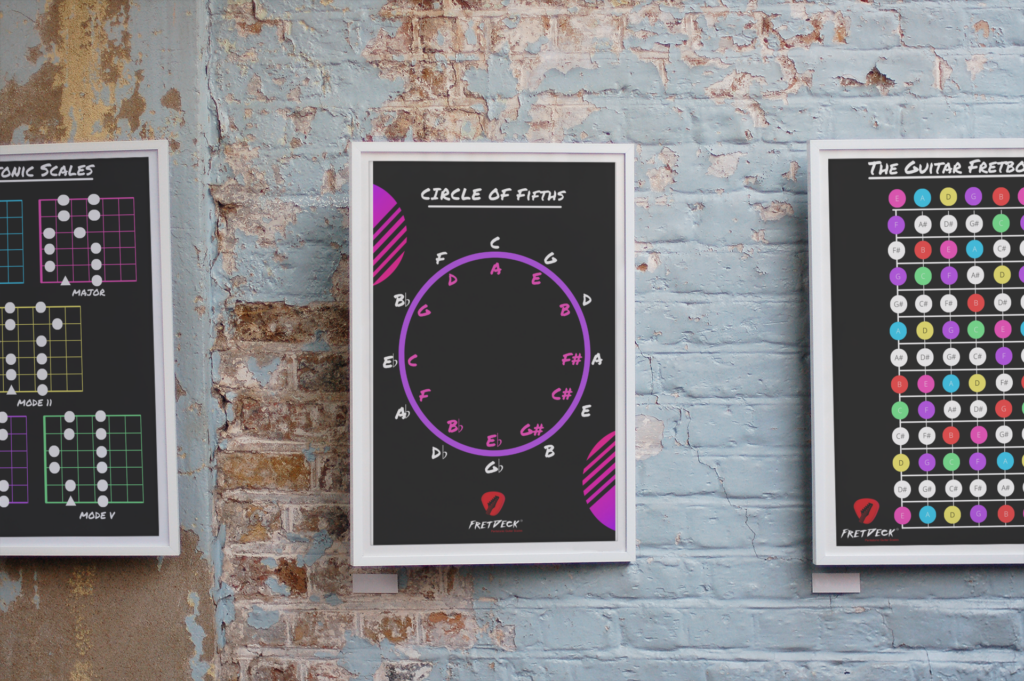
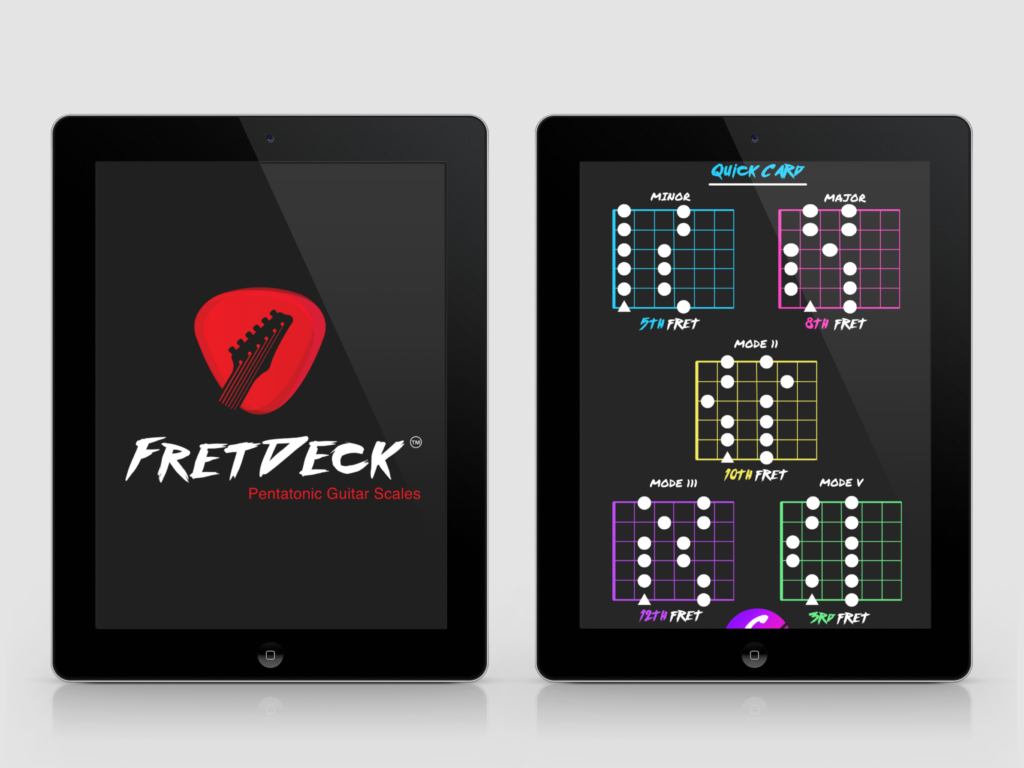
Moreover, tools like card-based systems can introduce an element of structured randomization. Products like FretDeck, for example, use prompts on physical cards to guide your session. This ensures you cover different topics and techniques without having to plan every single detail yourself. It keeps practice fresh and engaging while maintaining the essential structure you need to improve. A great physical guitar practice system acts as your personal coach.
The Simple Guitar Practice System That Eliminates Guesswork
So You Can Stop Stalling… and Start Sounding Better Every Time You Pick Up the Guitar
👉 Get 52 Practice Prompts Now!
7 Steps to Implement Your System Today
Ready to stop stalling and start improving? Here is a practical, step-by-step plan.
1. Define Your Goal: What do you want to achieve in the next 30 days? Be specific (e.g., “Learn the A-minor pentatonic scale in all 5 positions”).
2. Schedule Your Time: Block out a specific, non-negotiable time slot for practice every day. Even 30 minutes is better than zero. Treat it like an important appointment.
3. Get a Notebook: Buy a simple notebook and pen. This will be your practice log. A physical log is far more effective than a digital note.
4. Write Down Your Routine: Based on the 4 pillars, write down your practice structure for the week. For example, Monday’s technique focus is alternate picking; Tuesday’s is string bending.
5. Track Everything: After each session, write down what you did, what was difficult, and what you accomplished. This creates accountability and shows you your progress over time. For more actionable ideas, check out these essential beginner guitar tips.
6. Eliminate Distractions: When it’s practice time, put your phone in another room. Close your computer. The only technology you need is your guitar, your amp, and maybe a metronome.
7. Review and Adjust: At the end of each week, review your log. What’s working? What’s not? Adjust your plan for the following week. Maybe you need to spend more time on theory or less on repertoire. Proper guitar setup is also vital, something the experts at Fender know all about.
This deliberate approach is the only way to build momentum. It transforms practice from a chore into a rewarding process of skill acquisition. You’ll finally have a proven guitar practice system that delivers results.
Frequently Asked Questions
How long should I practice each day?
Consistency is more important than duration. A focused 30-minute session every day is far more effective than a 4-hour focus once a week. Start with a manageable amount of time you know you can commit to daily.
What if I miss a day?
Don’t panic and don’t let it derail you. Life happens. The goal isn’t perfection; it’s consistency over time. Just get back on track the very next day. One missed day is a blip; two missed days is the start of a bad habit.
Can I just use a digital app?
While apps can be helpful, they are often a source of distraction. A physical guitar practice system, like a notebook or card deck, keeps you focused on your instrument and away from notifications. Use apps for tools like metronomes or tuners, but keep your core system analog for maximum focus.
The Simple Guitar Practice System That Eliminates Guesswork
So You Can Stop Stalling… and Start Sounding Better Every Time You Pick Up the Guitar
👉 Get 52 Practice Prompts Now!
The Simple Guitar Practice System That Eliminates Guesswork
So You Can Stop Stalling… and Start Sounding Better Every Time You Pick Up the Guitar
👉 Get 52 Practice Prompts Now!