Are you searching for a powerful guitar scales generator to finally make sense of the fretboard? These digital tools are absolute game-changers for guitarists who feel stuck in a rut. You know the feeling: you’ve learned a few pentatonic boxes, but the rest of the neck is a total mystery.
It feels like a secret code you just can’t crack. For this reason, many players hit a wall and never move past it. However, a good guitar scales generator is the key that unlocks that code, turning confusion into clarity and creative freedom.

❌ Stop Guessing. Start Shredding.
If you’re still fumbling through scale patterns and box shapes… it’s costing you progress.
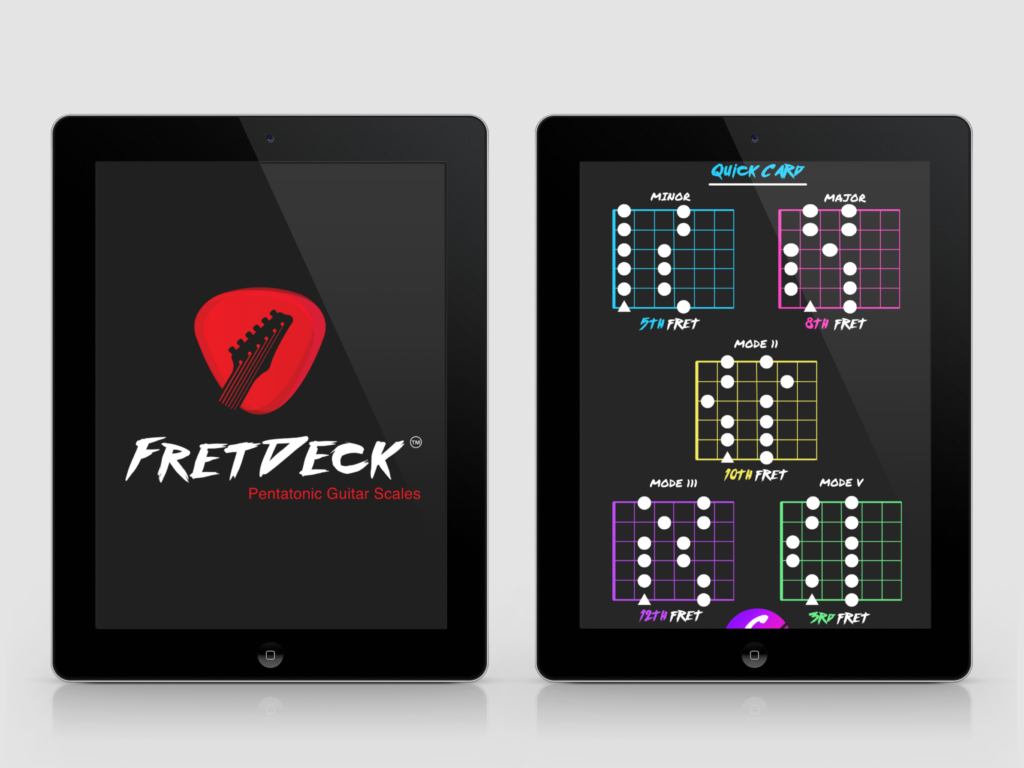
FretDeck™ is the no-fluff system that shows you exactly how to master the fretboard—fast. Early access.
⚡️ This isn’t for dabblers. It’s for players who want results.
👉 Discover FretDeck™ Here
Early access. Limited rewards. Don’t wait.
The Fretboard Maze: Why So Many Guitarists Get Stuck
For many players, the guitar fretboard feels like an intimidating, confusing maze. You see professionals glide across it effortlessly, but your fingers feel glued to one or two familiar positions. As a result, your solos sound repetitive and your improvisations lack direction.
You might even spend hours memorizing scale patterns from a book, only to forget them a week later. Moreover, you don’t understand how these patterns connect or why they work with certain chords. This is a common and incredibly frustrating experience for aspiring guitarists.
This frustration can ultimately kill your motivation and make practice feel like a chore instead of a joy. Consequently, your guitar starts collecting dust in the corner. You begin to believe that “getting good” is some innate talent you just don’t have, but that’s simply not true.
What Exactly Is a Guitar Scale Generator?
Simply put, a guitar scales generator is an interactive online tool that visually displays scale patterns on a digital fretboard. You choose a root note (like G) and a scale type (like Major, Minor Pentatonic, or Dorian), and it instantly shows you all the correct notes across the entire neck. It’s like having a complete roadmap of the fretboard at your fingertips.
For example, instead of guessing where the notes of an E-flat Lydian scale are, you can see them clearly laid out in seconds. This technology completely removes the guesswork from learning scales. Therefore, it allows you to focus on the most important part: actually playing music and developing your ear.
How to Choose the Right Guitar Scales Generator
With so many options available online, picking the best tool can feel overwhelming. However, a great guitar scales generator will have a few key features that set it apart. First, look for one that offers a wide variety of scales, not just the basics. As you grow as a player, you’ll want to explore different scales and modes to broaden your musical vocabulary.
Furthermore, customization is crucial for modern players. A top-tier generator lets you select different tunings, from standard E-A-D-G-B-E to Drop D or even Open G. Specifically, this is a vital feature for guitarists who like to experiment with different sonic textures and playing styles.
Another important feature is the ability to display either note names (C, E, G) or scale intervals (1, 3, 5). Displaying intervals is incredibly powerful because it helps you understand the music theory behind the patterns. This theoretical knowledge, often explained on authority sites like MusicRadar, is what separates noodling from intentional, musical improvisation. Ultimately, the best guitar scales generator for you is one with a clean interface that feels intuitive and encourages you to explore.
Beyond Patterns: Connecting Scales to Real Music
Here’s the secret that separates amateurs from pros: they don’t just “play scales.” They use scales as a vocabulary to create melodies, outline chord changes, and tell a musical story. Therefore, once your generator shows you a new scale pattern, your job is to bring it to life.
A great first step is to play the scale over a backing track or a simple chord loop that you record yourself. For instance, if you’ve generated the G Major scale, try playing it over a G – C – D progression. Suddenly, the notes are no longer just a technical exercise; they become musical choices that have an emotional impact.
This is where understanding how scales relate to chords becomes essential. Learning how to build melodies that target specific chord tones is a fundamental skill for any improviser. For a deeper dive into this topic, our chord progression guide can help you connect these crucial concepts. In short, this is how a simple guitar scales generator becomes a powerful gateway to true musical expression.
❌ Stop Guessing. Start Shredding.
If you’re still fumbling through scale patterns and box shapes… it’s costing you progress.
FretDeck™ is the no-fluff system that shows you exactly how to master the fretboard—fast. Early access.
⚡️ This isn’t for dabblers. It’s for players who want results.
👉 Discover FretDeck™ Here
Early access. Limited rewards. Don’t wait.
5 Practical Tips to Master the Fretboard
A scale generator is a powerful tool, but it’s only effective if you integrate it into your practice correctly. Here are five practical tips to get the most out of it.
1. Start with One Scale in One Key
Don’t try to learn every scale at once, as this leads to information overload. Instead, pick one and go deep. For example, use the generator to find the A Minor Pentatonic scale and dedicate a week to learning its five positions all over the neck.
2. Context Is Everything
Never practice scales in a vacuum. Always practice them with a purpose, such as playing over a backing track or a simple drone note. This process trains your ear to hear how each note in the scale functions against a tonal center.
3. Use a Metronome for Clean Technique
As you learn a new pattern from the generator, start painfully slow with a metronome. This discipline builds clean technique, strengthens your fingers, and develops a rock-solid sense of rhythm. As a result, your playing becomes tighter and more professional-sounding. You can easily incorporate this into your best practice routine for massive gains.
4. Complement Digital with Physical Tools
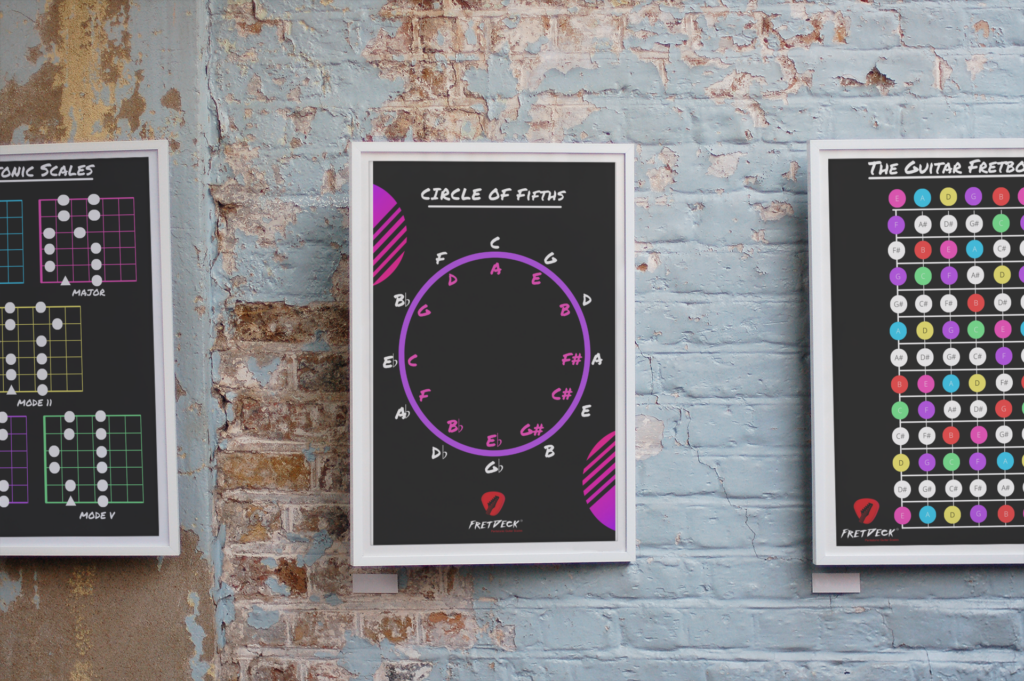
Digital tools are fantastic, but they can also be distracting with notifications and endless browser tabs. To really drill patterns into your muscle memory, pair your digital guitar scales generator with a physical practice aid. For instance, you can look up a new scale, then use a physical card system like FretDeck on your music stand to practice the pattern without getting sucked into your phone or computer.
5. Learn the “Why” Behind the Notes
Finally, don’t just memorize dots on a screen. Ask yourself why those notes work together. Legendary players, like those frequently featured on Guitar World, didn’t just know shapes; they understood harmony. This quest for understanding is the most important step you take after you learn guitar scales and their basic patterns.
As you can see, a guitar scales generator is more than just a fancy chart. It’s an exploration tool, a practice partner, and a creative catalyst all rolled into one. When you use it correctly, you transform the fretboard from a source of confusion into a canvas for your musical ideas.
Frequently Asked Questions
### Can a scale generator replace a teacher?
No, a generator is a tool, not a substitute for a teacher. It provides the “what” (the notes and patterns), but a great teacher provides the crucial “why” and “how.” A teacher offers personalized feedback, guides your musical journey, and corrects bad habits, which is something a piece of software cannot do.
### What’s the best scale for a beginner to learn first?
Most instructors agree that the Minor Pentatonic scale is the perfect starting point. It’s incredibly versatile, appearing in countless rock, blues, and pop songs, and its pattern is very manageable and easy to memorize. As a result, it’s often the first scale guitarists use to improvise a real solo.
### How do scales relate to chords?
Scales and chords are two sides of the same musical coin. A chord is simply a group of notes from a scale played at the same time. Conversely, a scale is the notes of that family played one at a time. For instance, the C Major chord (C-E-G) is built from the 1st, 3rd, and 5th notes of the C Major scale.
The Simple Guitar Practice System That Eliminates Guesswork
So You Can Stop Stalling… and Start Sounding Better Every Time You Pick Up the Guitar
👉 Get 52 Practice Prompts Now!