
Are you searching for a guitar scales pdf book that will finally change the game for you? You know, one that doesn’t just sit on your hard drive collecting digital dust. If you’re like most guitarists, you’ve probably downloaded a few scale charts that ended up being nothing more than a confusing jumble of dots and numbers.
You stare at the diagrams, memorizing a shape or two. However, when it comes time to actually play a solo, you’re right back where you started. You’re stuck in that same old pentatonic box, playing the same tired licks you’ve known for years. The fretboard feels like a giant, intimidating maze instead of a playground for creativity.
It’s a frustrating cycle. You hear your guitar heroes effortlessly gliding up and down the neck, creating beautiful, melodic lines that seem to come from nowhere. Meanwhile, you’re just trying to figure out which notes won’t sound terrible over the next chord change. You feel like you’re missing a secret piece of the puzzle.
The Fretboard Maze: Why You Feel Stuck
Let’s be honest. The real problem isn’t a lack of information. It’s an overwhelming amount of unorganized information. You see hundreds of scales with strange names like Phrygian Dominant or Lydian Augmented, and your brain just shuts down.
You practice the shapes, maybe up and down with a metronome. But there’s no connection. You don’t understand why a particular scale works over a particular chord. As a result, your solos sound robotic and calculated, like you’re just connecting the dots instead of making music.
This leads to a massive confidence gap. You hesitate to take a solo when jamming with friends. You avoid learning new songs that seem too complex. In short, your progress grinds to a halt, and the joy of playing starts to fade. You know the potential is there, but you just can’t seem to unlock it.
The Simple Guitar Practice System That Eliminates Guesswork
So You Can Stop Stalling… and Start Sounding Better Every Time You Pick Up the Guitar
👉 Get 52 Practice Prompts Now!
What Makes the Best Guitar Scales PDF Book?
So, how do you find a resource that actually helps you break through this wall? The secret isn’t in finding a book with a thousand scales. Instead, the best guitar scales pdf book focuses on clarity, context, and application. It’s about quality, not quantity.
First, look for crystal-clear fretboard diagrams. They should be easy to read, with fingerings clearly marked and the root note highlighted. This simple visual cue is crucial because it helps you anchor the scale shape to the fretboard and move it around to different keys. Without knowing where your root notes are, a scale shape is useless.
Furthermore, the resource must provide context. A great `guitar scales pdf book` won’t just show you a scale; it will tell you when and why to use it. For example, it should explain that the A Minor Pentatonic scale sounds great over an Am-G-C chord progression. This context is the bridge between memorizing shapes and making real music.
Finally, it should show you all the positions. Many beginners get stuck in one box position. A comprehensive guide will show you the 5 (or 7) interlocking patterns of a scale across the entire neck. This is how you finally break free and see the fretboard as one cohesive unit.

Beyond the Diagrams: How to Actually Use Your Scales
Here’s the truth that many guides leave out: knowing the shapes is only 10% of the battle. The other 90% is learning how to apply them musically. Your goal is not to play scales; your goal is to create melodies from scales.
Therefore, you must practice connecting the shapes. Start by playing a scale in one position, and as you reach the highest or lowest string, slide up or down into the next position. This simple exercise, outlined in our guide to learning guitar scales, begins to train your eyes and fingers to see the connections all over the fretboard.
Moreover, start thinking about chord tones. These are the individual notes that make up the chord you’re playing over. When you intentionally land on a chord tone during your solo, it sounds strong, resolved, and melodic. As an authority like Guitar World often points out, targeting chord tones is the hallmark of a mature player. A good guitar scales pdf book should encourage this deeper level of understanding.
The Simple Guitar Practice System That Eliminates Guesswork
So You Can Stop Stalling… and Start Sounding Better Every Time You Pick Up the Guitar
👉 Get 52 Practice Prompts Now!
The “Big Three” Scales Every Guitarist Must Know
Instead of trying to learn 50 obscure scales, focus your energy on mastering the essential few. Mastering these three will give you the foundation to play over 99% of the music you encounter in rock, pop, blues, and country.
First is the Major Scale. This is the mother of all scales in Western music. It’s the foundation of music theory and the source from which countless other scales and chords are derived. Its bright, happy sound is perfect for uplifting melodies and classic rock solos.
Second, you have the Minor Pentatonic Scale. This is an absolute workhorse. It’s a five-note scale that is incredibly forgiving and sounds good over almost anything, which is why it’s the first scale most guitarists learn. It’s the sound of classic rock and blues.
Third is the Blues Scale. This is simply the Minor Pentatonic with one added “blue note.” That single extra note adds a ton of flavor and tension, giving you that classic, gritty blues sound that has been a staple of guitar music for decades. For a deep dive, check out this great lesson from Fender’s own blog. Understanding these three is a powerful first step.
5 Actionable Steps to Master Scales Today
Ready to turn those diagrams into music? Here’s a simple, actionable plan you can start using right now with your chosen guitar scales pdf book.
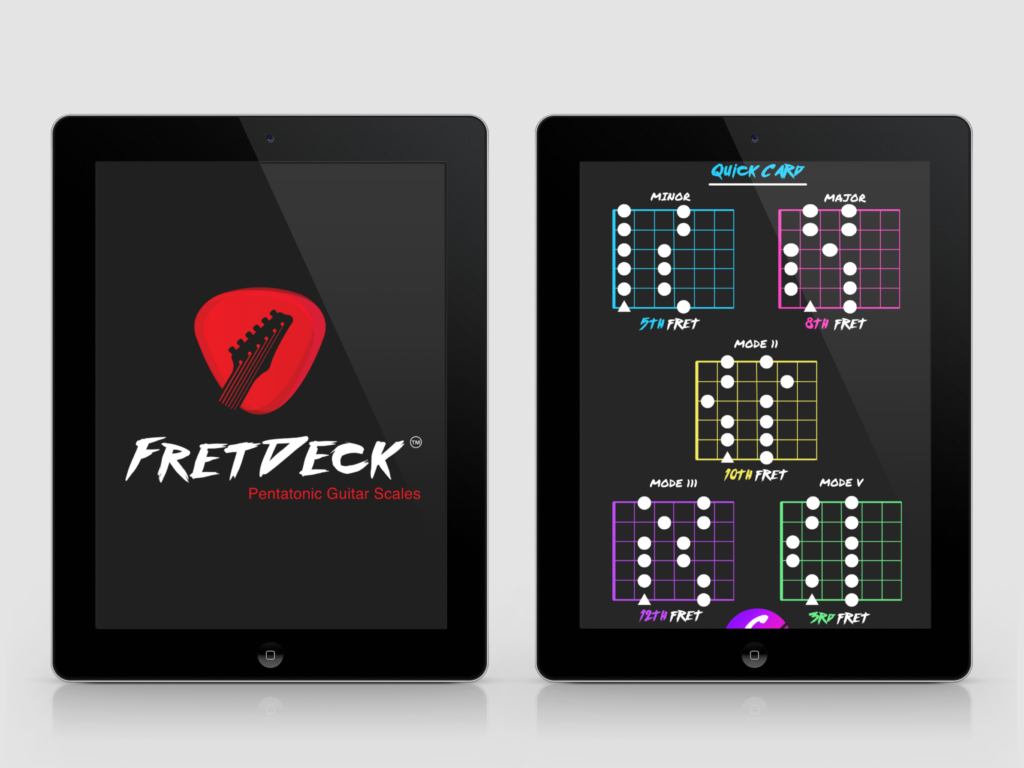
1. Start with One Shape, One Key. Don’t try to learn all five positions at once. Pick one position of the Minor Pentatonic scale in the key of A. Live there for a week. Learn it so well you could play it in your sleep. 2. Practice with a Metronome. It’s not glorious, but it’s non-negotiable. Set the metronome to a slow tempo (like 60 bpm) and play the scale up and down in quarter notes. This builds your timing, technique, and finger strength. A solid best practice routine always includes metronome work. 3. Use Backing Tracks. This is the fun part! Go on YouTube and search for “A minor backing track.” Now, instead of just running the scale, try to create simple melodies using the notes from the shape you’ve been practicing. This directly links the technical process to a musical outcome. 4. Sing the Notes as You Play. This might feel awkward, but it’s a powerful ear-training hack. By singing each note, you internalize its sound and start building the crucial connection between what you hear in your head and what you can play on the fretboard. 5. Connect Scales and Chords. Start paying attention to the relationship between the scale and the chords in the backing track. Notice how certain notes sound amazing over certain chords. This is a huge step toward understanding harmony. Soon, you’ll be able to craft solos based on a song’s chord progression guide. For even more structured practice, a system like FretDeck can provide daily prompts that force you to think musically.
FAQ: Your Guitar Scale Questions Answered
Here are some common questions we get about learning scales.
How long does it take to learn guitar scales?
It takes a few hours to memorize a shape but a lifetime to master its musical application. However, with consistent practice (15-20 minutes per day), you can become comfortable navigating the entire fretboard with a few key scales within 3-6 months. The key is consistency, not cramming.
Can I learn guitar scales without music theory?
Yes, you can. You can memorize shapes and learn where they work through trial and error, which is how many iconic guitarists started. However, learning just a little bit of theory—like how scales are built and how they relate to chords—will accelerate your progress tenfold. It turns guesswork into intention.
Is a guitar scales pdf book better than a video?
They serve different purposes and work best together. A video can demonstrate phrasing and technique in a way a static page cannot. However, a well-designed guitar scales pdf book is an excellent, quick-reference tool you can have open while you practice without having to pause or rewind a video. It’s a map you use while you explore the territory.
The Simple Guitar Practice System That Eliminates Guesswork
So You Can Stop Stalling… and Start Sounding Better Every Time You Pick Up the Guitar
👉 Get 52 Practice Prompts Now!