Finding the right guitar practice tool is the secret to unlocking your true potential. In fact, if you feel stuck, it’s likely not a lack of talent but a lack of an effective system for improvement. You pick up your guitar, full of motivation, only to find yourself noodling the same old licks and chords you already know.
This cycle of unproductive practice is frustrating. Moreover, it can make you question if you’ll ever achieve your guitar-playing goals. The good news is that a simple shift in your approach can change everything.
What you need is a framework. You need a reliable method that removes the guesswork and tells you exactly what to do to get better. This framework is the most powerful guitar practice tool you can ever possess.

The Simple Guitar Practice System That Eliminates Guesswork
So You Can Stop Stalling… and Start Sounding Better Every Time You Pick Up the Guitar
👉 Get 52 Practice Prompts Now!
The Real Reason You’re Stuck in a Practice Rut
Does this sound familiar? You have an hour set aside to practice. You sit down, maybe you run through a scale you kind of know. Then, you play the intro to a song you learned six months ago. Before you know it, 45 minutes have passed, and you haven’t actually learned anything new or improved any specific skill.
This isn’t really practice; it’s just “playing.” While playing for fun is essential, it won’t make you a better guitarist on its own. The real problem is a lack of structured, focused effort. As a result, you hit a plateau where your progress grinds to a halt.
Furthermore, the internet bombards you with endless options. You could learn jazz theory, fingerstyle techniques, sweep picking, or a million different songs. This paradox of choice leads to paralysis. Without a clear path, you jump from one thing to another, never achieving mastery in any single area. This is where a dedicated guitar practice tool can provide the focus you’ve been missing.

What Makes an Effective Guitar Practice Tool?
When you hear the phrase “guitar practice tool,” you might immediately think of a metronome or a fancy app. While those can be components, they aren’t the complete solution. An truly effective guitar practice tool is a system designed to force progress. It must provide three critical elements: structure, focus, and a feedback loop.
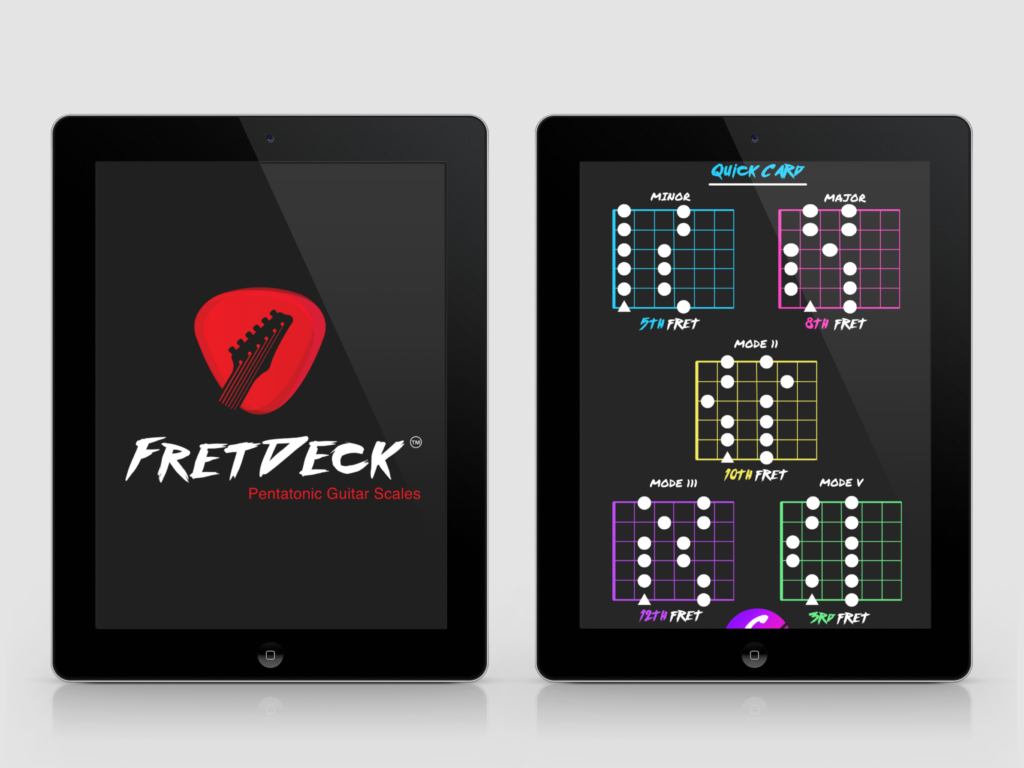
First, structure removes the crippling question of “What should I work on today?” A great system gives you a specific, targeted exercise. For example, instead of vaguely “practicing scales,” it tells you to play the A minor pentatonic scale in the fifth position at 90 bpm, focusing on clean alternate picking. That is a task you can actually complete and measure.
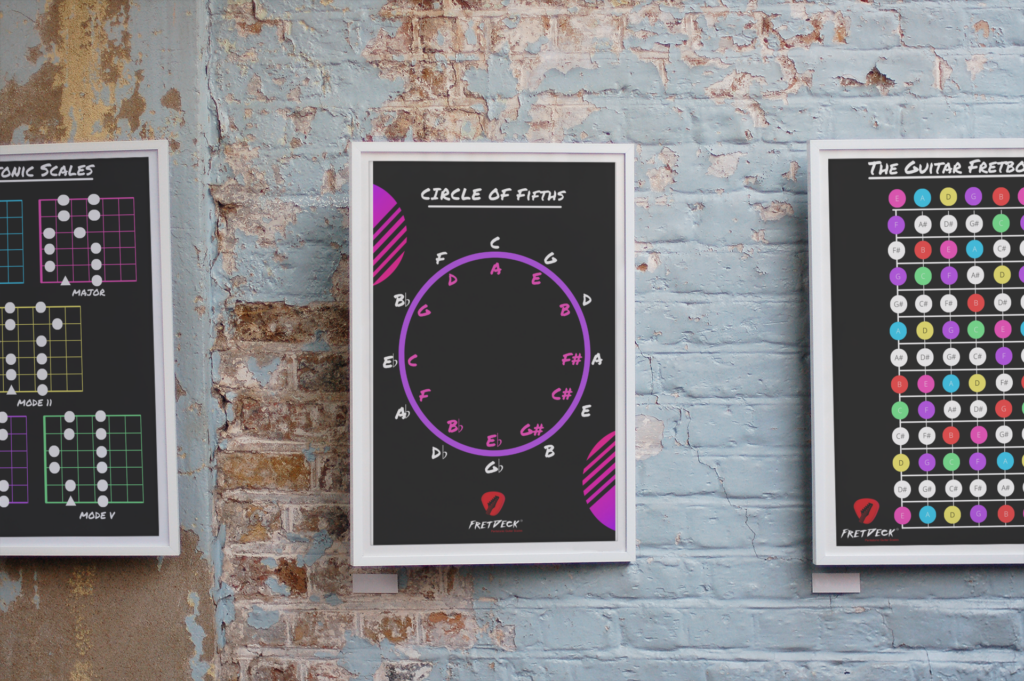
Second, focus is about eliminating distractions. A proper tool helps you concentrate on one small, manageable task at a time. This could be a physical tool like the card-based system from FretDeck, which gives you one prompt at a time, or a digital app with a practice timer. The goal is to get you into a state of deep work where real improvement happens.
Finally, a feedback loop is crucial for knowing if you’re getting better. This can be as simple as a practice journal where you log your metronome speeds, or as advanced as recording yourself and listening back. As an authority site like Guitar Player magazine often states, self-assessment is key to breaking bad habits. Therefore, your practice system must include a way to review your own playing objectively.
The “Hidden” Tool: A Structured System
The ultimate guitar practice tool isn’t a single gadget you can buy. Instead, it’s a personal system that you build and commit to. Think of it as your personal trainer for the fretboard. It holds you accountable and guides you through workouts designed for maximum results.
So, what does this system look like in practice? It starts with breaking down your guitar goals into tiny, actionable steps. If your big goal is to improvise a solo, your system would first have you master a single scale pattern. Then, it would introduce you to simple melodic phrases within that scale. For a great deep dive into this concept, check out our guide on creating the best practice routine.
A core part of this system is intentional repetition. You must use a metronome. There is no substitute. A metronome provides the honest, unblinking truth about your timing and rhythm. Start slow—painfully slow—and only increase the speed once you can play a part perfectly multiple times in a row.
Moreover, your system should incorporate variety to keep things engaging. For example, you could structure your week this way:
- Monday: Technique (scales, picking exercises)
- Tuesday: Chord Voicings & Rhythm
- Wednesday: Music Theory & Ear Training
- Thursday: Learning a New Song
- Friday: Improvisation & Creativity
This systematic approach ensures you develop as a well-rounded musician, not just someone who knows a few cool licks. It transforms practice from a chore into a clear, rewarding journey.
Building Your Personal Practice Toolkit
Now, let’s get practical. To build this systematic guitar practice tool, you only need a few simple components. You don’t need to spend a lot of money; in fact, the most effective tools are often the simplest.
Your toolkit should include:
1. A Metronome: Use a free app on your phone or a simple hardware unit. This is non-negotiable for developing a solid sense of rhythm.
2. A Timer: The Pomodoro Technique is fantastic for practice. Set a timer for 25 minutes of intense, focused work on a single task, followed by a 5-minute break.
3. A Practice Journal: A simple notebook and pen are perfect. Before each session, write down your specific goal. After, log your metronome setting, what went well, and what still needs work. This log becomes an invaluable record of your progress. 4. A Source of Focused Exercises: This is where you find the what. You can use books, online courses, or our own guides, like this one on how to learn guitar scales. The key is to follow a structured path rather than randomly searching YouTube.
Ultimately, the best guitar practice tool is the one you will use consistently. Start small. For instance, commit to just 15 minutes of structured practice a day. The consistency of focused effort, even for a short duration, will yield far greater results than hours of mindless noodling. The pros know this, and you can find many interviews on sites like Guitar World where they stress the importance of disciplined practice habits.
The Simple Guitar Practice System That Eliminates Guesswork
So You Can Stop Stalling… and Start Sounding Better Every Time You Pick Up the Guitar
👉 Get 52 Practice Prompts Now!
5 Actionable Steps to Supercharge Your Practice Today
Ready to stop stalling and start improving? Here are five simple steps you can implement right now to make your next practice session the most productive one you’ve ever had.
1. Define One Micro-Goal. Before you even touch your guitar, decide on one, hyper-specific thing you will achieve. For example, “I will play the C major scale ascending and descending at 60 bpm with no mistakes.”
2. Use a Timer. Set a timer for 20 minutes. During that time, work only on your micro-goal. No checking your phone, no playing other songs. Just pure, focused work. This builds incredible discipline.
3. Record Yourself. Use your phone’s voice memo app to record yourself playing the exercise toward the end of your session. Listening back provides instant, powerful feedback you can’t get any other way. You will hear things you never notice while playing.
4. Isolate and Loop. When you hit a tricky chord change or a difficult lick, don’t just keep starting the song from the beginning. Isolate that single, difficult part. Play it slowly, over and over, until it becomes effortless. You can find more strategies like this in our beginner guitar tips.
5. Log Your Results. Take 60 seconds after your session to write in your practice journal. What was the final metronome speed? What felt difficult? What will you work on next time? This closes the loop and sets you up for success in your next session. As a result, you build momentum.
Frequently Asked Questions
What’s the best free guitar practice tool?
The best free guitar practice tool is a combination of three things you likely already have: a free metronome app on your phone, a timer (also on your phone), and a simple notebook to use as a practice journal. The “tool” isn’t the app itself, but the system of using these items to create structured, measurable practice sessions.
Do I need expensive gear to practice effectively?
Absolutely not. A functioning guitar and a commitment to a structured routine are far more important than any expensive gear. Many of the world’s greatest guitarists developed their skills on basic, affordable instruments. Focus on your system and technique, not on acquiring more gear.
How long should I practice with a guitar practice tool?
Consistency is more important than duration. A focused 20-30 minute session using a structured system every day will produce better results than a 3-hour unstructured “jam session” once a week. Start with a manageable amount of time that you can stick with, and let the results speak for themselves.
The Simple Guitar Practice System That Eliminates Guesswork
So You Can Stop Stalling… and Start Sounding Better Every Time You Pick Up the Guitar
👉 Get 52 Practice Prompts Now!
The Simple Guitar Practice System That Eliminates Guesswork
So You Can Stop Stalling… and Start Sounding Better Every Time You Pick Up the Guitar
👉 Get 52 Practice Prompts Now!