
The dream of playing guitar often starts with a single, powerful image. Maybe you see yourself on stage, nailing a solo, or just sitting around a campfire, leading a singalong. However, to get there, you need the right tools for learning guitar. These tools are the secret shortcuts that transform frustrating practice sessions into rapid progress.
You picked up the guitar for a reason. You wanted to create, to express yourself, to master a new skill. But right now, that guitar might feel more like a confusing wooden puzzle than a musical instrument. This guide will give you the complete toolkit you need to finally bridge that gap.
The Overwhelm of an Empty Practice Room
Does this sound familiar? You sit down, guitar in your lap, full of motivation. Then, silence. You play the one riff you know for the tenth time. You try to remember that chord from a YouTube video but can’t quite get it right.
Consequently, frustration begins to build. You start to wonder if you have what it takes. Is it a lack of talent? Or are you just missing something crucial that other players seem to have? This feeling of being stuck is incredibly common. In fact, it’s the number one reason people quit. For more help navigating these early days, check out our beginner guitar tips.
Without a clear path, your practice becomes aimless. You noodle around, wasting precious time without making real, measurable progress. As a result, the guitar that once represented so much possibility starts gathering dust in the corner. The dream feels further away than ever. But it doesn’t have to be this way.
The Simple Guitar Practice System That Eliminates Guesswork
So You Can Stop Stalling… and Start Sounding Better Every Time You Pick Up the Guitar
👉 Get 52 Practice Prompts Now!
Essential Physical Gear You Actually Need
Before we dive into the digital world, let’s cover the physical items that should be in your gig bag. These aren’t flashy gadgets. Instead, they are the foundational tools for learning guitar that make a world of difference.
First, you absolutely need a great tuner. Nothing will sabotage your progress faster than playing an out-of-tune guitar. Your ears will learn the wrong pitches, and everything you play will sound “off.” You can get a simple clip-on tuner for under $20. Specifically, brands like Snark or D’Addario are reliable and easy to use. These devices clip onto your headstock and use vibrations to tell you if a string is sharp or flat.
Next, a metronome is your best friend for developing rhythm. Many players skip this, but it’s a huge mistake. A metronome provides a steady click, forcing you to play in time. You can start with a simple physical metronome, but most people now use a phone app. We’ll cover those in a moment.
Furthermore, you should have a capo. A capo is a small clamp that you attach to the guitar’s neck. It effectively changes the key of the instrument without you having to learn new chord shapes. For example, it allows you to play easy “G” shape chords but have them sound in a higher key, like A or B. This is invaluable for playing along with your favorite songs.
Finally, stock up on guitar picks. Picks come in various thicknesses, and each one produces a slightly different tone and feel. Thin picks are great for strumming acoustic chords, while thicker picks offer more control for lead lines and heavy riffs. Try a variety pack to discover what works best for you. Don’t underestimate these small pieces of plastic; they are fundamental to your sound. For a deep dive into gear, Fender’s official blog is a fantastic resource.
Powerful Digital Tools for Learning Guitar
Technology has revolutionized music education. You no longer need to rely solely on expensive private lessons. Your phone or computer can become a powerful teacher, guide, and practice partner.
One of the most essential digital tools is a good tab app. Websites and apps like Ultimate Guitar provide chord charts and tablature for millions of songs. The pro version often includes backing tracks and a built-in metronome, allowing you to play along with a full band. This makes practice feel less like a chore and more like a jam session.
Moreover, dedicated metronome apps like Soundbrenner are phenomenal. They offer more features than a basic click, such as different time signatures, subdivision settings, and the ability to create a setlist of tempos for your practice routine. As mentioned by MusicRadar in their reviews, the right app can significantly improve your timing.
You should also explore apps for ear training. Apps like Perfect Ear or Functional Ear Trainer use games and exercises to help you identify intervals, chords, and melodies by ear. This is a next-level skill that separates good guitarists from great ones. Developing your ear helps you learn songs faster and even start improvising. You can also use online resources to help you learn guitar scales, which is a key part of training your ear and fingers.
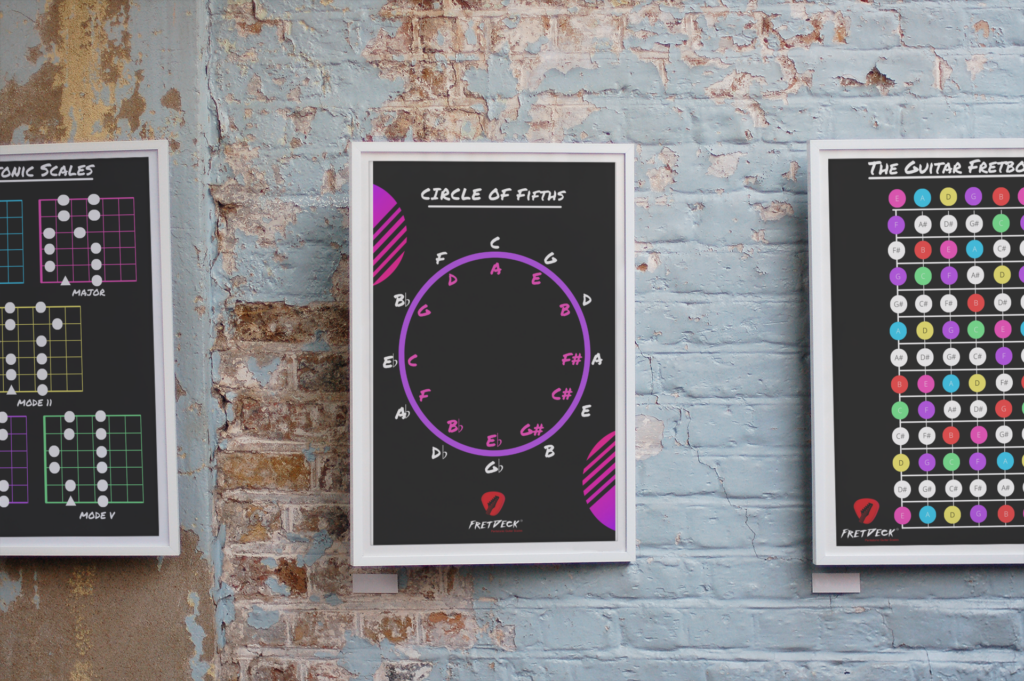
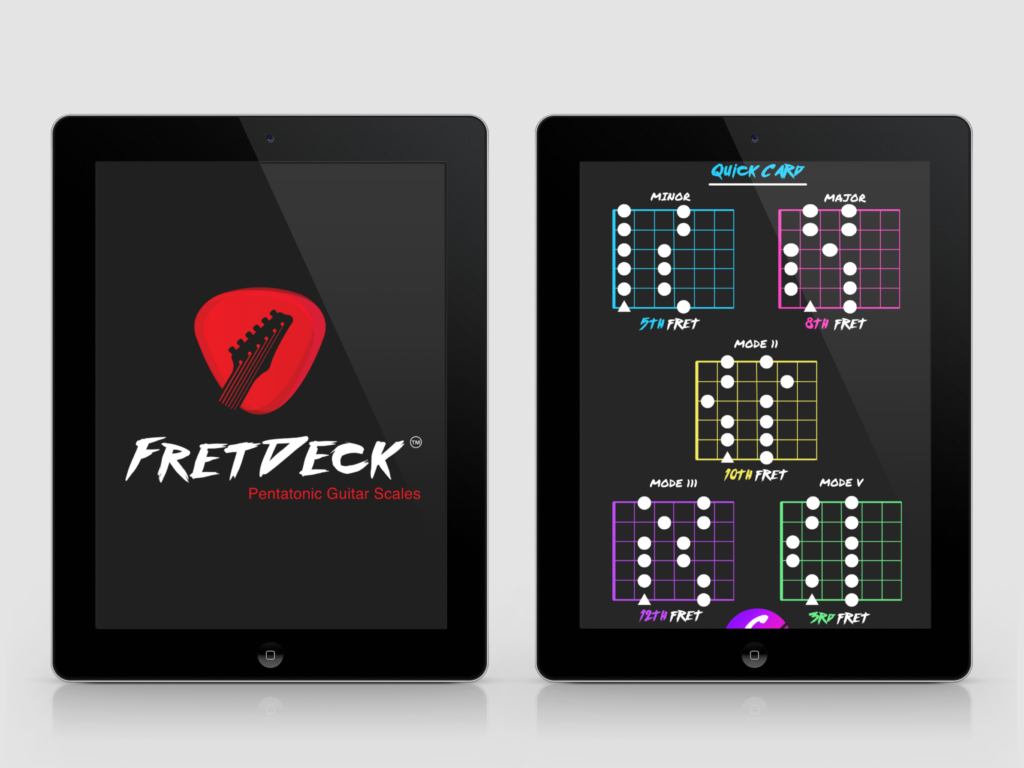
Lastly, structured learning platforms offer a complete curriculum. While YouTube is great, it can lead you down a rabbit hole. Systems like FretDeck provide a more organized path with daily prompts and exercises that build upon each other. These digital solutions are some of the most effective tools for learning guitar available today.
The Simple Guitar Practice System That Eliminates Guesswork
So You Can Stop Stalling… and Start Sounding Better Every Time You Pick Up the Guitar
👉 Get 52 Practice Prompts Now!
Your Most Underrated Tool: A Solid Practice Plan
You can have the best gear and the most advanced apps in the world. However, if you don’t have a plan, they are useless. Your most powerful tool is a structured, intentional practice routine.
Think of it like going to the gym. You wouldn’t just walk in and lift random weights, would you? Of course not. You’d have a plan: legs on Monday, chest on Tuesday, and so on. Your guitar practice deserves the same level of intention.
A great practice plan ensures you work on all aspects of your playing. It should include a warm-up, scale or technique practice, chord work, and song practice. By dedicating specific time slots to each area, you guarantee balanced development. You can find excellent guidance on structuring your sessions in our guide to the best practice routine.
This plan acts as your roadmap. It removes the guesswork and decision fatigue from your practice. As a result, you just sit down, look at your plan, and start playing. This consistency is what builds momentum and leads to breakthroughs.

7 Practical Ways to Use These Tools Today
Having the gear is one thing; using it effectively is another. Here is a numbered list of practical ways to integrate these tools into your daily routine.
1. Tune Up Every Single Time. Before you play a single note, grab your clip-on tuner and make sure every string is perfect. This non-negotiable step only takes 60 seconds. It trains your ear and builds a professional habit.
2. Start Every Session with a Metronome. Don’t just turn it on when you practice a song. Use it for your warm-ups and scale exercises. Set it to a slow tempo, like 60 BPM, and focus on playing each note perfectly in time.
3. Use a Tab App to Learn One New Song a Week. Pick a song that is slightly challenging but achievable. Use the app’s features to slow down the track and loop difficult sections. This is a fun way to apply the techniques you’re learning.
4. Dedicate 10 Minutes to Ear Training. While you’re waiting for the bus or brewing coffee, open your ear training app. Do a few exercises. Over a month, these short bursts add up to hours of focused practice.
5. Use Your Capo to Master a Song in a “Singer-Friendly” Key. Find a song you love but is too high or low for you to sing along with. Experiment by moving the capo up the neck one fret at a time until it’s in a comfortable range for your voice.
6. Organize Your Practice with a Simple Notebook. Use a physical notebook or a digital app to write down your practice plan for the week. For example: Mon: 10 min scales, 10 min chords, 10 min song. This simple act creates accountability. These notebooks are surprisingly effective tools for learning guitar.
7. Record Yourself Once a Week. Use your phone’s voice memo app to record yourself playing a song or exercise. This is one of the most powerful and humbling tools for learning guitar. Listening back will reveal timing issues and mistakes your brain filters out while you’re playing.
Frequently Asked Questions (FAQ)
What is the single most important tool for a beginner?
Without a doubt, the most critical tool is a tuner. If your guitar isn’t in tune, your ears will learn incorrect pitches, and you will build a poor foundation. It makes practice frustrating and unmusical. A good clip-on tuner is an inexpensive, essential investment.
Can I learn guitar with just free tools?
Yes, you absolutely can. There’s a wealth of free information on YouTube, free tuner and metronome apps, and free versions of tab websites. However, the main benefit of paid tools is structure and efficiency. A well-designed course or app can save you hundreds of hours of sifting through content and trying to piece together a curriculum on your own.
How do I choose the right online tools for learning guitar?
Look for three key things: structure, clarity, and progression. A good tool won’t just throw random lessons at you. It should have a logical path that builds from one concept to the next. The instruction should be clear and easy to follow. Finally, a great platform will show you a clear progression, helping you see how far you’ve come and what’s next.
The Simple Guitar Practice System That Eliminates Guesswork
So You Can Stop Stalling… and Start Sounding Better Every Time You Pick Up the Guitar