Finding the best tools for learning guitar can feel like trying to drink from a firehose. Consequently, you get overwhelmed by endless app subscriptions, conflicting YouTube advice, and gadgets that promise the world but just end up collecting dust.
This guide changes all that. We will cut through the noise and show you exactly what you need to make real, tangible progress. You just need to focus on a few key items that deliver maximum results. In fact, armed with the right gear, your practice sessions will become more efficient, more focused, and infinitely more fun.

So, let’s dive in and build your ultimate learning toolkit.
Why Is Finding the Right Tool So Frustrating?
You decided to learn guitar. That’s a huge, exciting step! But then you hit the internet, and the excitement quickly turns to analysis paralysis.
You see a dozen different “must-have” apps. You read forum debates about which clip-on tuner is the only one worth buying. Moreover, you watch videos promoting complex software that looks more like a space shuttle cockpit than a learning aid. The result? You spend more time researching tools than actually using a tool to play your guitar.
This “shiny object syndrome” is a progress killer. It tricks you into thinking that the next purchase is the key to unlocking your potential. However, the truth is that a simple, focused toolkit is far more powerful than a mountain of unused gadgets. You end up wasting time, money, and most importantly, the motivation you started with.
The Simple Guitar Practice System That Eliminates Guesswork
So You Can Stop Stalling… and Start Sounding Better Every Time You Pick Up the Guitar
👉 Get 52 Practice Prompts Now!
Your Foundational Toolkit: Non-Negotiable Physical Gear
Before you ever download an app, you need a few physical items. These are the absolute essentials. Think of them as the foundation of your guitar-playing house. Without them, everything else is unstable.
1. A Reliable Digital Tuner
Nothing will sabotage your progress faster than playing on an out-of-tune guitar. Your ear will learn the wrong pitches, chords will sound awful, and you’ll become incredibly frustrated without knowing why.
Specifically, a clip-on headstock tuner is your best friend. They are inexpensive, accurate, and easy to use. You simply clip it onto your guitar’s headstock, and it uses vibrations to tell you if a string is sharp or flat. You don’t need a fancy one; a basic model from brands like Snark or D’Addario works perfectly.
2. A Dedicated Metronome
Your phone has a metronome app, right? While that’s true, a simple, physical metronome—or even a dedicated, high-quality app—is often better. It removes the temptation of checking notifications mid-practice.
Developing a solid sense of rhythm is non-negotiable. Therefore, a metronome is your unflinching rhythm coach. It forces you to play in time, which is a skill that separates amateurs from players who sound polished and professional. For more on this, check out our guide to building the best practice routine.
3. A Simple Capo
A capo is a small clamp that you attach to the guitar’s fretboard. It effectively changes the key of the instrument without you having to learn new, complex chord shapes. For example, you can play a song in the key of B using simple G-chord shapes just by placing the capo on the 4th fret.
This tool is a massive unlock for beginners. It opens up a huge library of songs that might otherwise seem too difficult. A simple, trigger-style capo is all you need to get started.
4. A Variety of Guitar Picks
Picks (or plectrums) come in countless shapes, sizes, and thicknesses. The thickness, measured in millimeters (mm), has the biggest impact on your tone and feel.
Instead of trying to guess which one is “best,” buy a variety pack. This allows you to experiment. Generally, thinner picks (around .60mm) are great for strumming acoustic chords, while thicker picks (1.0mm and up) offer more control for single-note lines and heavy rock riffs. Finding what feels right is a crucial part of developing your personal style.
The Best Tools for Learning Guitar: Essential Digital Resources
With your physical gear sorted, it’s time to explore the digital landscape. This is where you can find structured lessons, endless inspiration, and powerful practice aids. These digital items are some of the best tools for learning guitar available today.
1. Online Courses and Apps
The days of needing an in-person teacher every week are over (though they are still incredibly valuable!). Today, structured online courses offer a clear path from zero to hero.
For example, platforms like JustinGuitar offer an incredible amount of high-quality lessons for free. Furthermore, paid services like Fender Play provide a sleek, song-based curriculum that gets you playing your favorite tunes quickly. These guided paths prevent the aimless wandering that plagues many self-taught players.
2. High-Quality YouTube Channels
YouTube can be a double-edged sword. It’s full of distractions, but it’s also home to some of the best guitar instructors on the planet. The key is to subscribe to a few trusted channels and ignore the rest.
Channels like Marty Music, Paul Davids, and Rick Beato offer deep dives into theory, technique, and gear. Use them as a supplement to your core learning path, not as your primary guide. Find an instructor whose style you connect with and stick with them.
3. Song Tablature (Tab) Websites
How do you learn your favorite songs? Guitar tablature, or “tab,” is a simplified form of musical notation for guitar. Websites like Ultimate Guitar provide a massive library of tabs for nearly any song imaginable.
While the free user-submitted tabs can sometimes be inaccurate, they are a great starting point. The paid “Official” tabs are usually spot-on and often come with backing tracks and other helpful features. Learning to read tab is an essential skill. As a result, you’ll be able to learn new songs on your own.
4. Smart Practice Aids
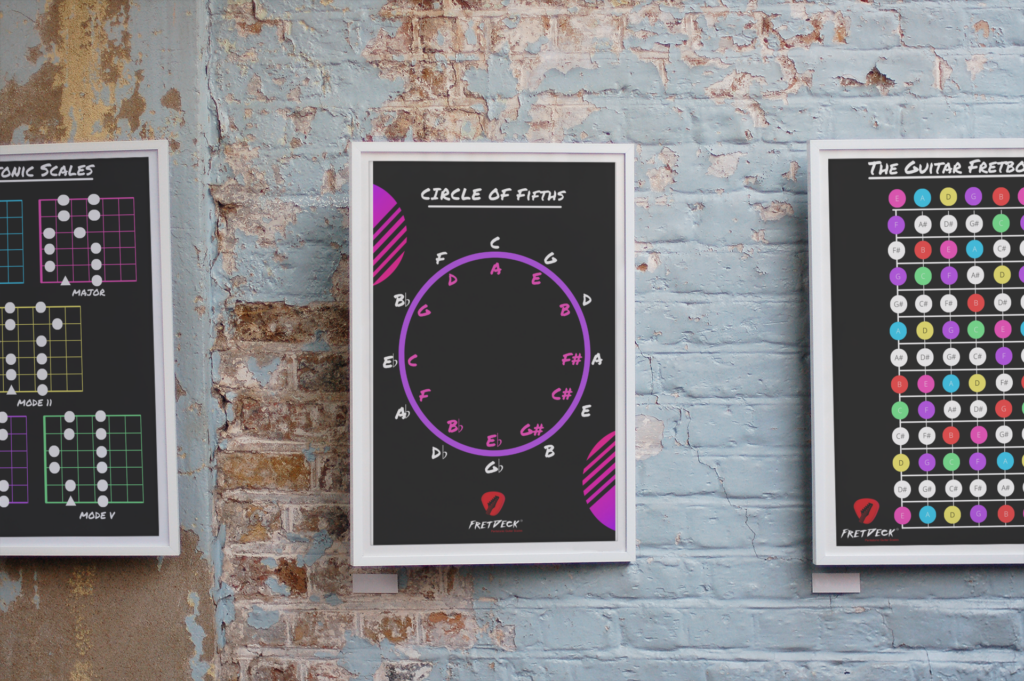
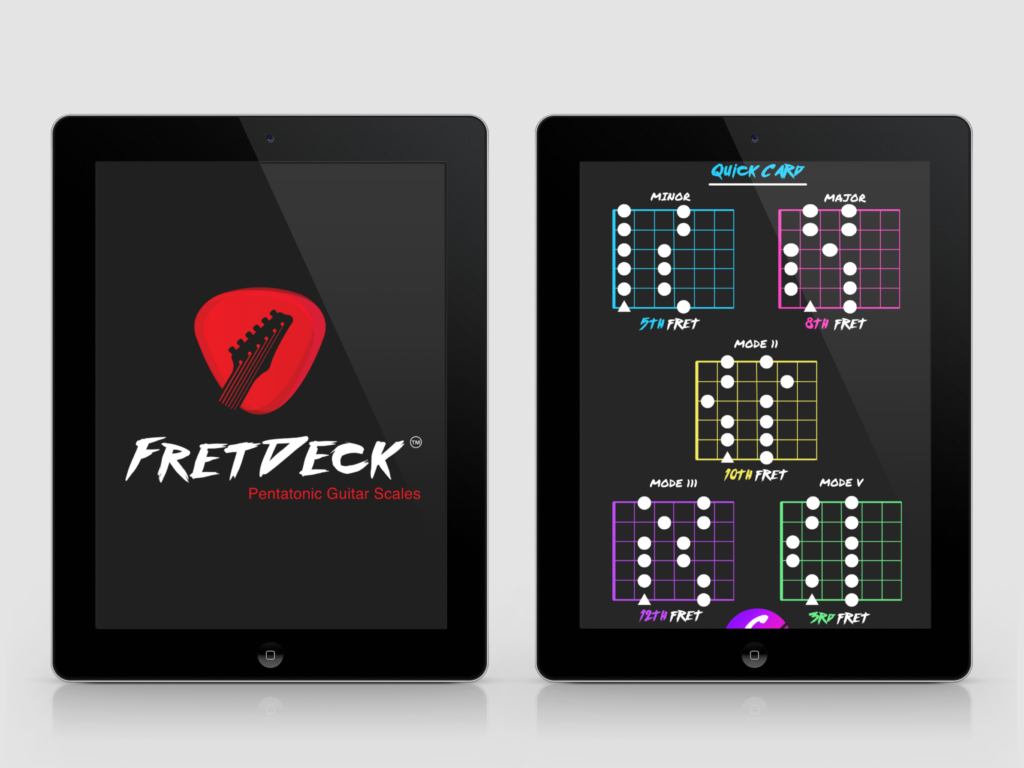
Beyond just lessons, some digital tools actively improve your practice. For example, systems like FretDeck use a card-based system to give you structured practice prompts, helping you break out of ruts. These kinds of tools turn mindless noodling into focused, goal-oriented practice, which is vital for real improvement. Combining these with our beginner guitar tips will set you on a path to success. The goal is to find the best tools for learning guitar that keep you engaged and consistent.
The Simple Guitar Practice System That Eliminates Guesswork
So You Can Stop Stalling… and Start Sounding Better Every Time You Pick Up the Guitar
👉 Get 52 Practice Prompts Now!
Beyond the Basics: Tools to Supercharge Your Progress
Once you’re comfortable with the fundamentals, a few extra tools can open up new creative and technical doors. You don’t need these on day one, but they can be incredibly powerful once you have a solid foundation.
1. A Loop Pedal
A loop pedal is one of the most powerful practice and songwriting tools you can own. It’s a simple stompbox that records a short piece of your playing and plays it back in a continuous loop.
What can you do with it? You can record a chord progression and then practice soloing over it. You can experiment with harmonies and song structures. Moreover, it forces you to play with perfect timing, making it an advanced metronome. As MusicRadar often highlights in its reviews, a looper is like having a second guitarist on demand.
2. Recording Software (DAW)
Recording yourself is the most honest form of feedback you will ever get. It reveals every mistake in timing, every bit of string noise, and every sloppy chord change.
You don’t need a professional studio. Free software like GarageBand (for Mac) or Audacity (for PC/Mac) is more than enough to get started. A simple audio interface like a Focusrite Scarlett Solo will let you plug your guitar directly into your computer. Hearing yourself objectively is the fastest way to identify weaknesses and fix them.
3. Backing Tracks
Playing along with backing tracks is infinitely more fun than practicing with a sterile metronome click. It simulates the feeling of playing with a real band.
YouTube is filled with thousands of free backing tracks in every style and key imaginable. Search for “rock backing track in A minor” or “blues shuffle in E,” and you’ll have endless jam sessions at your fingertips. This is an amazing way to practice improvising and learn guitar scales in a musical context.
How to Maximize These Tools: A 5-Step Guide
Having the gear is only half the battle. You need to integrate it into your playing habit. Follow these steps to get the most out of your investment.
1. Start With One Thing. Don’t try to use a looper, a new app, and recording software all in the same week. Pick one tool and commit to using it for 15 minutes every day for a week. 2. Integrate Tools Into a Routine. For instance, always start your practice by tuning up. Dedicate the first 5 minutes to metronome-based finger exercises. Make using tools a non-negotiable part of your practice. 3. Record Yourself Weekly. Make it a Sunday ritual. Record yourself playing a song or scale you’ve been working on. Listen back with a critical ear, take notes, and work on one specific improvement for the next week. 4. Use Your Metronome for Everything. Practicing scales? Use a metronome. Learning a new chord progression? Use a metronome. It might feel rigid at first, but it will build an internal clock that becomes second nature. 5. Don’t Let Tools Replace Playing. Ultimately, the goal is to play music. These are just aids. The best tools for learning guitar are the ones that lead to more time with the instrument in your hands, not less.
Frequently Asked Questions (FAQ)
### What is the single most important tool for a beginner guitarist?
Without a doubt, a reliable tuner. If your guitar isn’t in tune, nothing else you do will sound right. It’s the absolute, non-negotiable starting point for every single practice session.
### Are expensive tools better for learning guitar?
Not necessarily. A $20 clip-on tuner does the same job as a $100 pedal tuner for a beginner. A free metronome app can be just as effective as an expensive physical one. Focus on mastering the basics with affordable, reliable gear before investing in premium equipment. The best tools for learning guitar are often the simplest ones.
### How do I avoid getting distracted by all the apps and gadgets?
Create a “core toolkit” of 2-3 essential items (e.g., tuner, metronome app, one lesson course) and commit to only using those for a month. A “no new tools” rule can force you to go deeper with what you already have, leading to more substantial progress than jumping between a dozen different resources.
The Simple Guitar Practice System That Eliminates Guesswork
So You Can Stop Stalling… and Start Sounding Better Every Time You Pick Up the Guitar