
The Truth About Blues Rhythm Guitar

Playing blues rhythm guitar isn’t just about strumming chords—it’s about locking into the groove so deeply that the whole band leans on you. A great rhythm guitarist doesn’t simply follow the beat; they drive the song forward with feel, dynamics, and subtle movement.
Years ago, I played a blues jam in Chicago where a seasoned guitarist named Big Ray gave me the best advice of my life. Before I stepped on stage, he told me, “Listen first. If you ain’t groovin’, you ain’t playin’ the blues.” That night, I focused entirely on rhythm—no solos, no flashy licks. I just laid down a solid groove. And suddenly, the band clicked. The drummer found a pocket. The bass felt tighter. That’s when I understood: Blues rhythm is the backbone of the music.
If you want to play blues like the greats, you must master the rhythm first. Let’s dive in.
The 12-Bar Blues: blues rhythm guitar
Understanding the Structure
The 12-bar blues progression is the foundation of countless blues songs. While different variations exist, the most common form follows this pattern in the key of A:
| A7 | A7 | A7 | A7 |
| D7 | D7 | A7 | A7 |
| E7 | D7 | A7 | E7 |
At first glance, it seems straightforward. However, playing it with the right feel and groove is where the magic happens. To avoid sounding robotic, you need to internalize the swing and phrasing that bring this progression to life.

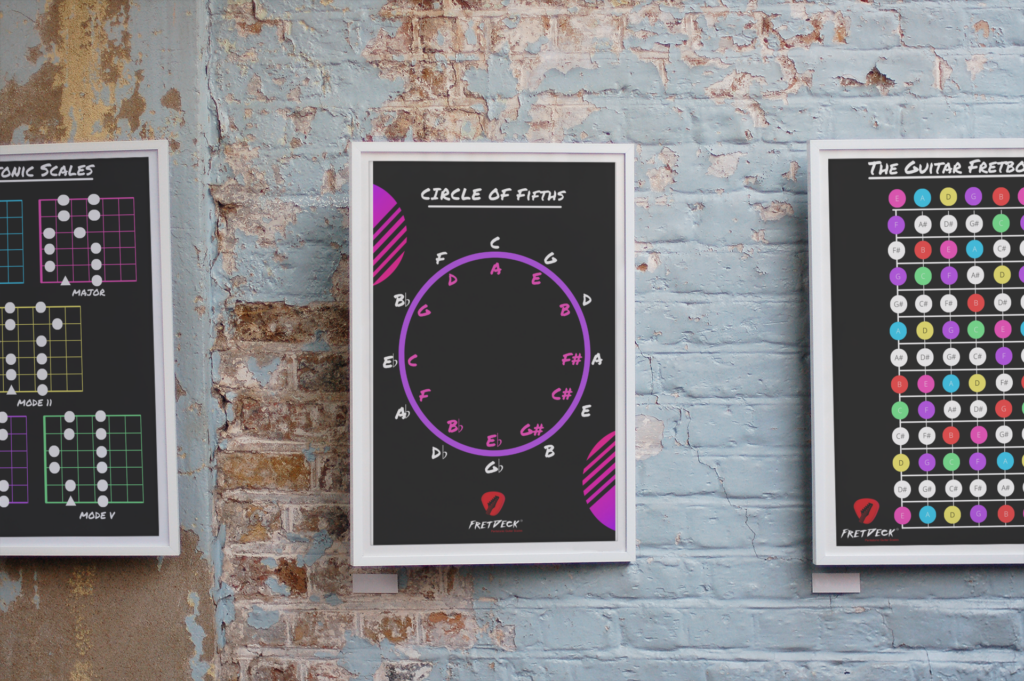
Download The FretDeck & Pentatonic Secrets Course!
Download Our Course
The Groove: How to Play a Blues Shuffle
What Makes Blues Swing?
A key characteristic of blues rhythm guitar is its shuffle feel, which creates a rolling groove. Instead of playing rigid eighth notes, blues swings the beat.

Compare these two rhythmic approaches:
🎸 Straight eighth notes:
ONE-and-TWO-and-THREE-and-FOUR-and
🎸 Swing feel:
ONE-and-a-TWO-and-a-THREE-and-a-FOUR-and-a
This subtle delay between beats gives blues its laid-back but driving energy. Without it, blues feels stiff and unnatural.
Playing the Shuffle Pattern
A classic blues shuffle groove revolves around a “chunky” bass pattern. Here’s how to play it in A:
- Hold an A5 power chord (open A string and 2nd fret on the D string).
- Alternate between the 2nd and 4th frets of the D string while keeping a steady swing.
A Shuffle Pattern:
luaCopyEditE|----------------|
B|----------------|
G|----------------|
D|--2---4---2---4-|
A|--0---0---0---0-|
E|----------------|
This chugging motion builds the pulse of the blues. It’s the driving force behind songs by artists like Muddy Waters and Howlin’ Wolf.
Beyond the Basics: Adding Character to Your Blues Rhythm Guitar
1. The Call-and-Response Effect
Great blues rhythm playing doesn’t just hold the beat—it interacts with the song. Instead of strumming mechanically, think of your rhythm as a conversation. Play a chord, mute the strings, then let the band or a lead lick “answer” back. This dynamic contrast makes the groove breathe.
2. The Texas Stab: How to Add Punch
If you’ve ever listened to Stevie Ray Vaughan, you’ve heard the aggressive, percussive attack he adds to his rhythm playing. The Texas stab technique gives your chords a sharp, biting edge by combining strumming with string muting.
To get this effect:
✔ Strum hard on beats 2 and 4 (locking in with the snare).
✔ Mute the strings immediately after the strum for a crisp, percussive sound.
✔ Emphasize bass notes while keeping treble strings controlled.
This technique gives your rhythm playing power and presence without overpowering the band.
Download The FretDeck & Pentatonic Secrets Course!
Download Our Course
3. Walking Bass Lines Between Chords
Instead of jumping abruptly from one chord to another, use bass runs to create smooth transitions. This is a technique that players like Freddie King and T-Bone Walker mastered.
For example, when moving from A7 to D7, play this walk-up:
E|------------------|
B|------------------|
G|------------------|
D|--1--2-----------|
A|--------0--1--2--|
E|------------------|
This movement adds flow to your rhythm playing, making it feel more connected.
Blues Rhythm Guitar Turnarounds: Wrapping Up the Progression
What Is a Turnaround?
The turnaround is the last two bars of the 12-bar blues progression. It creates tension, signaling the band and listener that the cycle is about to repeat. A great turnaround makes the whole progression feel complete.
Classic A7 Turnaround
Here’s a simple but effective turnaround in A:
E|------0-----------|
B|----2---2---------|
G|--2-------2---1---|
D|------------------|
A|------------------|
E|------------------|
Using a turnaround like this adds excitement and keeps the music moving forward.
Blues Rhythm Guitar Styles: Find Your Groove
Each blues style brings a unique rhythmic feel. Knowing these differences helps expand your vocabulary as a guitarist.
✔ Delta Blues: Fingerpicking-heavy, often using open tunings and slide guitar.
✔ Chicago Blues: Electric, shuffle-driven grooves, heavily influenced by swing and jazz.
✔ Texas Blues: A mix of blues and rock, with aggressive rhythm playing and lead integration.
Experimenting with different styles helps you develop your own signature sound.
How to Master Blues Rhythm Guitar
🎸 Step 1: Lock in your shuffle by practicing slowly with a metronome.
🎸 Step 2: Add muting, stabs, and walking bass lines to make your playing more dynamic.
🎸 Step 3: Play along with blues legends to internalize their timing and feel.
Master these skills, and you won’t just be a rhythm player—you’ll be the foundation of any blues band.
Want to Learn More?
Rhythm is just the beginning. If you want to start soloing over these grooves, check out How to Play Blues Guitar Solos: Essential Licks and Techniques to start crafting soulful lead lines today!
🎸 Now grab your guitar and start grooving!
Final Thoughts On Blues Rhythm Guitar
Playing great blues rhythm guitar isn’t about complexity—it’s about groove, feel, and precision.
✔ Find the pocket.
✔ Use embellishments to add character.
✔ Keep the groove steady and strong.
Master these, and your rhythm playing will become irresistibly powerful.
Blues rhythm guitar isn’t about how many notes you play—it’s about how deep you can sit in the pocket.
✔ Find the groove.
✔ Lock in with the band.
✔ Add character with dynamics and embellishments.
Master these skills, and you’ll never struggle to hold down a blues groove again.e again. Now get playing!
For a deeper dive into essential blues guitar techniques, including bends, turnarounds, and the 12-bar progression, check out our comprehensive guide: Rhythm Guitar Blues: Exploring Blues Guitar Techniques.
Join Guitar Freaks Hangout on Discord! 🎸
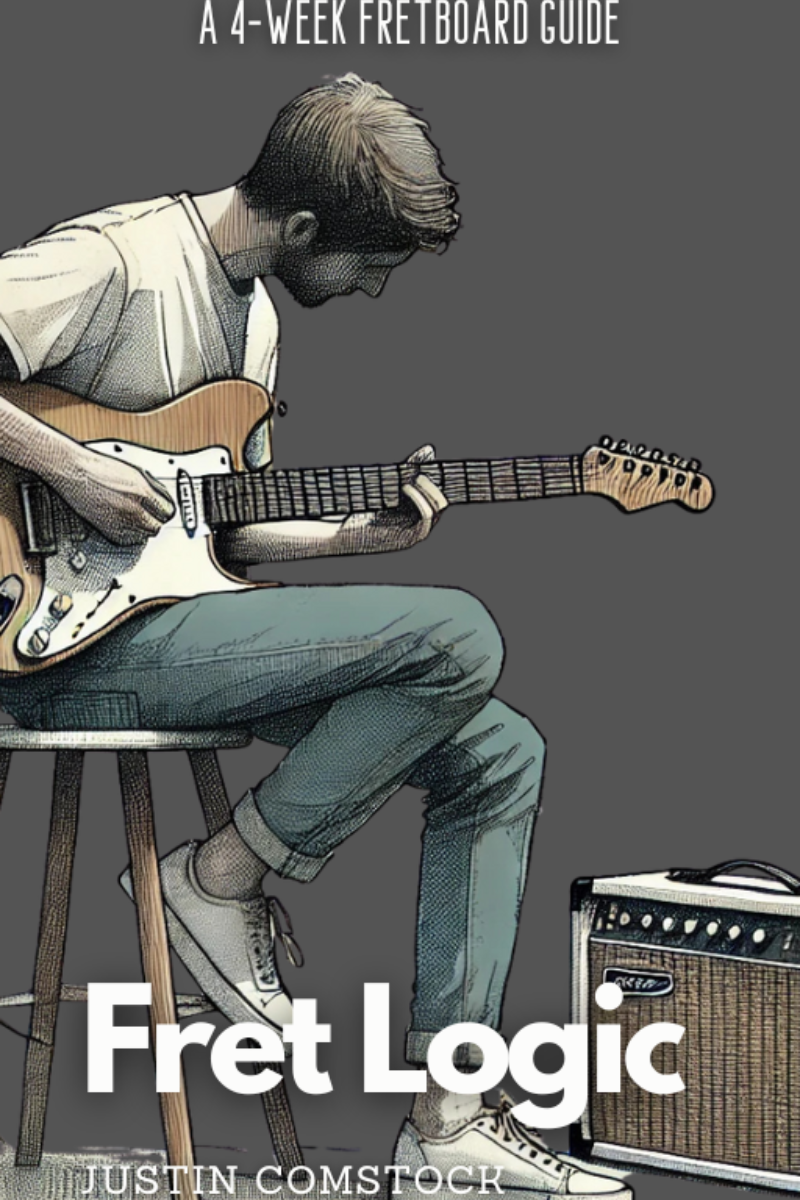
Get Fret Logic FREE!
Join the Guitar Freaks Hangout Discord and get exclusive access to my entire e-book, Fret Logic! Master the fretboard and elevate your solos with this comprehensive guide.
👉 Don’t miss out—join now and download your free copy!
Related posts: