

Let’s be honest. Most guitarists quit before they ever master guitar chord changes.
You start with good intentions—C to G, D to A minor—but your fingers just won’t cooperate. The strings buzz. The tempo drops. Your hands freeze.
And worst of all?
You start telling yourself you’re “not musical.”
The real problem isn’t your fingers or your ability.
It’s your practice system.
In this post, I’ll show you the exact way I use my Bullet Journal to track and master guitar chord changes—and how tools like FretDeck and our private Discord community take it to the next level.
Let’s dive in.
Why Guitar Chord Changes Are So Hard (At First)
Guitar chords on their own aren’t too tough.

But changing between them?
That’s where the real challenge lies.
- You’re training finger independence.
- You’re asking your brain to remember shapes.
- You’re syncing rhythm with physical motion.
That’s a lot. And if you’re just “winging it,” you’re going to stay stuck in slow, sloppy transitions for years.
Unless… you systemize it.
That’s where my Bullet Journal comes in.
Download The FretDeck & Pentatonic Secrets Course!
Download Our Course
Step 1: Build a Chord Change Log in Your Bullet Journal
Every Sunday, I sit down with my guitar and my journal and ask:
What chord changes gave me trouble this week?
Sometimes it’s G to D. Other times it’s barre chords, like F to B minor.
Once I identify the hard ones, I build a Chord Change Log:
🟩 Weekly Focus: Guitar Chord Changes
🎯 Goal: Smooth, rhythmic changes at 60 bpm
📓 Chord Pairs to Practice:
• C → G
• D → A
• Em → Bm
• F → C
Each day, I do three rounds of 2 minutes each with a metronome.
I track the reps and mark wins like this:
[✓] C → G (2 mins, clean)
[✓] D → A (2 mins, with tempo)
[ ] Em → Bm (still buzzy)
This kind of journaling creates awareness and consistency—and that’s where results come from.
Step 2: Use Anchor Fingers to Speed Up Changes
Here’s a trick you won’t find in most chord books:
Look for fingers that stay in the same place between chords.
For example:
- Going from C to G, your ring finger can stay on the 3rd fret of the B string.
- From D to A, your index finger often hovers in the same fret area.
When you keep one finger in place as a “pivot,” the rest of your hand moves faster and cleaner.
In my journal, I’ll write a note like:
💡 Pivot Ring Finger on B string
It’s a little thing, but over time, these notes create a custom library of shortcuts for your fingers.
Step 3: Micro-Sessions with the Metronome
Forget long, mindless practice.
In my bullet journal, I break chord change drills into 2-minute micro-sessions with a metronome.
- Set your BPM to 60.
- Alternate between two chords—C to G, D to A.
- Strum once per beat and switch chords cleanly.
- If it’s too hard, drop to 45 BPM.
- Log your progress in the journal:
Wed Practice:
✓ C → G @ 60 BPM
✓ D → A @ 55 BPM (improving)
✗ F → Bm (retry tomorrow)
You can’t improve what you don’t measure.
And this simple act of tracking time + tempo creates momentum.
Step 4: Practice Backward Progressions
Here’s a pro-level trick most teachers forget:
Practice chord progressions in reverse.
Why? Because it challenges your muscle memory and builds mastery from every angle.
Let’s say your progression is:
G → D → Em → C
Reverse it:
C → Em → D → G
In your bullet journal, list both directions:
🔁 Progression Practice:
→ G → D → Em → C
← C → Em → D → G
Reversing builds true fluency. It’s like learning to read and write chords—not just memorize one direction.
Step 5: Write Your Own Chord Change Prompts
This is where your creativity and memory intersect.
Each week, I write 3 new progressions based on chords I’m working on:
📓 Original Progressions:
• Am → Dm → G → C
• E → F#m → B → A
• Cmaj7 → D7 → G7 → C
Then I create a daily challenge:
- Play each for 5 minutes.
- Record one with a looper or phone.
- Reflect in the journal: What felt smooth? What felt clunky?
The secret?
You’re not just practicing… you’re creating and journaling. That combo makes your learning stick.
Step 6: The Shortcut That Changed Everything
Now let me show you how I really accelerated my chord change fluency.
It started with this thought:
“What if I could practice my chord shapes, changes, and voicings… even when I don’t have a guitar?”
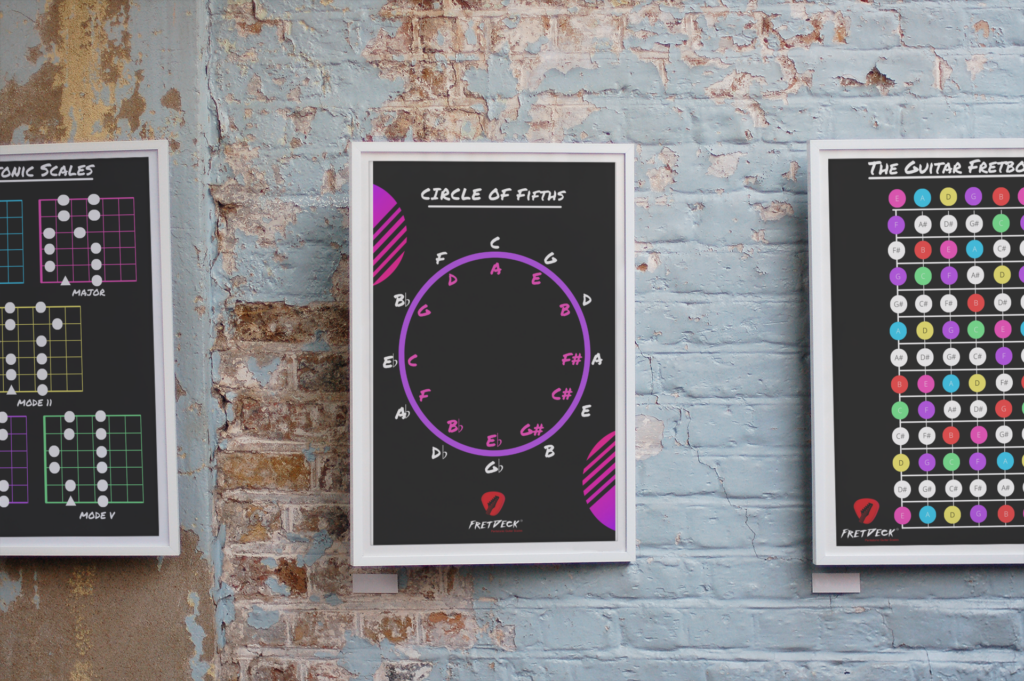
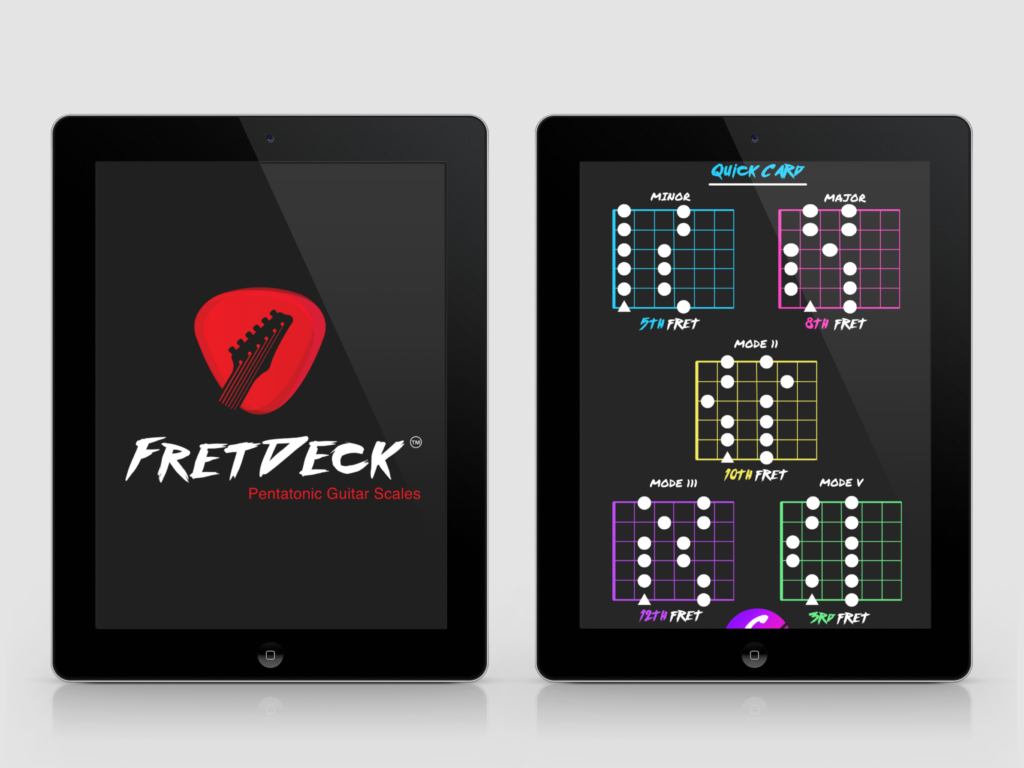
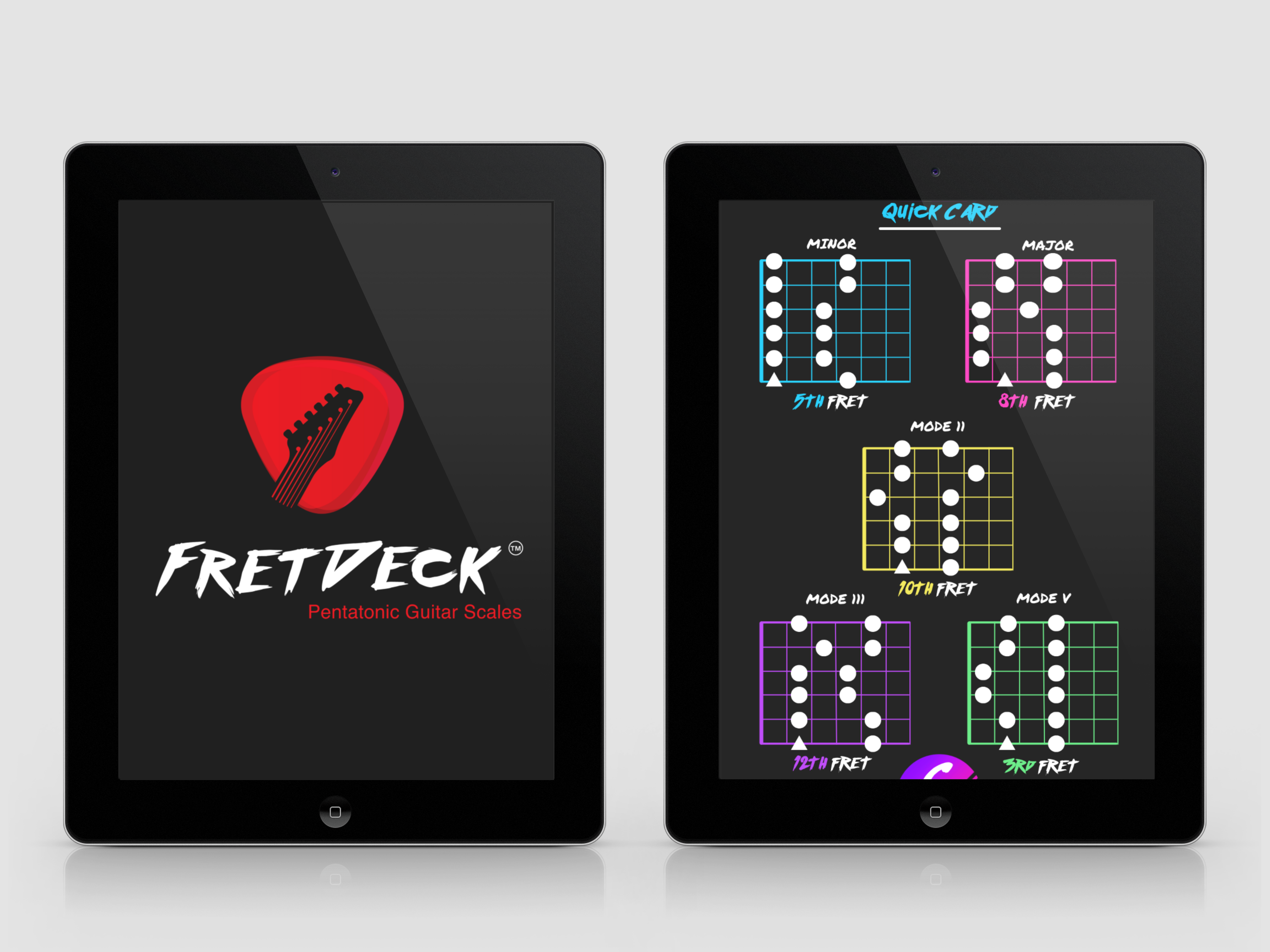
That’s when I created FretDeck—a card-based system that helps you:
- Drill chord shapes visually
- Memorize fretboard patterns
- Build speed and accuracy with real prompts
Each card has a chord family, progression, or visual drill you can do anywhere.
You shuffle the deck. Pull a card. Do the rep.
Simple. Fast. It works.
And it makes your bullet journal even more powerful—because now you can write:
🎴 FretDeck Prompt: CAGED Minor 7s
📝 Practice Result: Clean changes from Am7 → Dm7
FretDeck turns your quiet time, your morning coffee, even your lunch break into mastery time.
We ship weekly and new decks are dropping soon.
Download The FretDeck & Pentatonic Secrets Course!
Download Our Course
Step 7: Don’t Go It Alone — Join the Guitar Freaks Hangout
This is the part that makes everything come alive.
I built the Guitar Freaks Hangout as a private Discord community where we:
- Share chord change drills
- Post progress videos
- Run challenges based on your FretDeck cards
- Celebrate wins, no matter how small
Every week we have:
🎯 Chord Challenge Threads
📽️ Live Jam Feedback
🔥 Guitar Journal Show & Tell
🤘 Q&A sessions for growth
It’s not about being perfect. It’s about getting better—together.
Join us and you’ll never feel stuck or alone again.
👉 Hop into the Guitar Freaks Hangout
Join Guitar Freaks Hangout on Discord! 🎸
Get Fret Logic FREE!
Join the Guitar Freaks Hangout Discord and get exclusive access to my entire e-book, Fret Logic! Master the fretboard and elevate your solos with this comprehensive guide.
👉 Don’t miss out—join now and download your free copy!
Your 7-Day Guitar Chord Change Challenge (Journal Edition)
Here’s a plan you can use in your bullet journal starting today:
Day 1: Identify 3 difficult chord changes. Write them down.
Day 2: Practice each pair for 2 minutes with a metronome.
Day 3: Add anchor finger notes. Adjust posture or shape.
Day 4: Reverse the chord progression and log results.
Day 5: Write an original progression using all 3.
Day 6: Pull a FretDeck card and log your reps.
Day 7: Share a clip in the Discord. Get feedback and log your reflections.
Final Thoughts: The Real Secret to Smooth Guitar Chord Changes
You don’t need more talent. You don’t need another YouTube video.
What you need is:
✅ A clear plan
✅ A system that tracks your wins
✅ A tool that reinforces your knowledge
✅ A community that has your back
Your Bullet Journal, FretDeck, and the Guitar Freaks Discord give you exactly that.
So don’t just strum chords and hope for the best.
🎯 Take control. Track the right things.
📓 Turn your bullet journal into a training weapon.
🃏 Use FretDeck to sharpen your mind.
💬 Lean on your community when motivation dips.
Ready to Finally Nail Those Guitar Chord Changes?
👉 Grab your FretDeck
👉 Join our Discord
👉 Start your 7-day challenge
You’ll look back a week from now and say,
“Wow—I’m actually getting clean, confident chord changes.”
And that’s just the beginning.
👉 Mastering Common Guitar Chord Progressions: Techniques & Practice Tips
Related posts: