
I used to hate my guitar practice metronome because it felt like a tiny plastic dictator ticking away my sanity. Every single click felt like a personal insult to my sense of rhythm.
Specifically, I thought my timing was fine until that little digital box started laughing at me. I would crank it up to 120 beats per minute, try to play a fast lick, and immediately crash and burn. Consequently, I threw the thing in a drawer for three years.
However, I was practicing backwards. I was using the click as a speed test instead of a musical grid. Once I changed my approach, my playing smoothed out almost overnight.
This is the heart of mastering guitar practice metronome — and most guitarists never get it.
The Trap of the Speed Test
Most guitar players use a click the wrong way. Specifically, they treat it like a radar gun on the highway. They want to see how fast they can go before they spin out of control.
Therefore, they start at 100 BPM, fail, and then try again at 105 BPM out of sheer frustration. This approach is a recipe for sloppy habits and tense muscles.
Indeed, downloading a high-quality chord-progression-guide is the smartest move you can make to learn new songs. The PDF itself is not the problem. Highly detailed worksheets and books are incredible tools for your brain. However, the problem starts when you try to play those new shapes without a steady rhythmic system. You need a way to tie those gorgeous chords to a reliable pulse.
Free Book: “Fret Logic” — Master the Fretboard Without Memorizing a Single Shape
Before we go any further, grab my free book Fret Logic — it’s the shortcut I wish I had when I was stuck staring at the neck wondering where the next note was.

Inside, you’ll learn the simple visual system that turns the fretboard from a confusing grid into a map you can actually see. No theory degree required. No boring drills. Just clarity.
👉 Download “Fret Logic” FREE here
What If You Could See the Fretboard Instead of Just Memorizing It?
Most guitarists spend years guessing where to put their fingers. They memorize shapes without understanding why — and the second they try to improvise or learn a new song, they’re lost again.
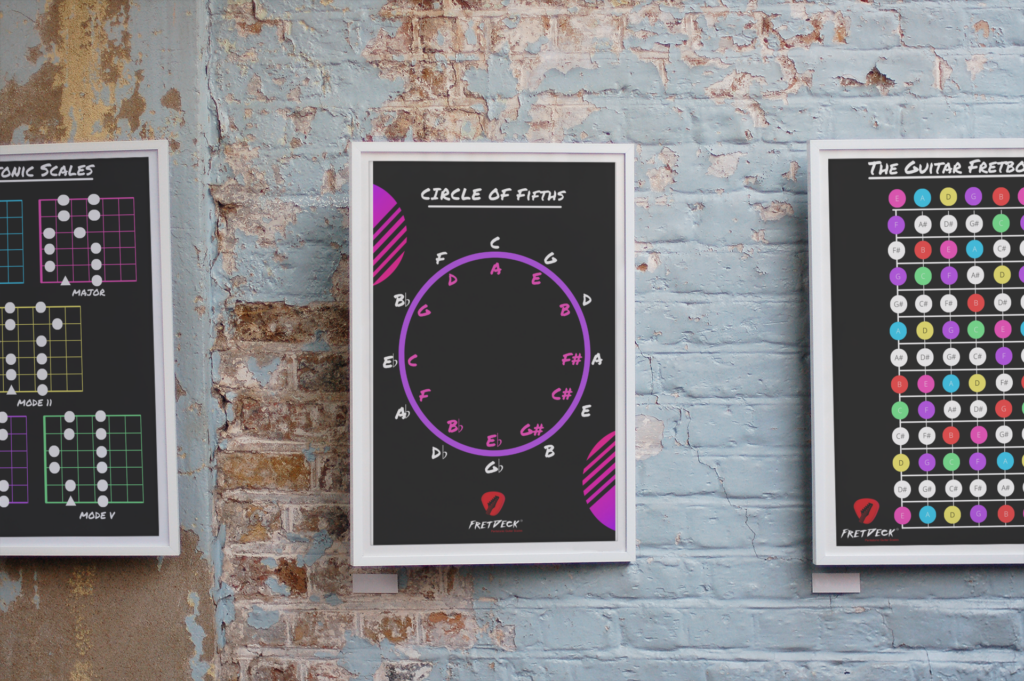
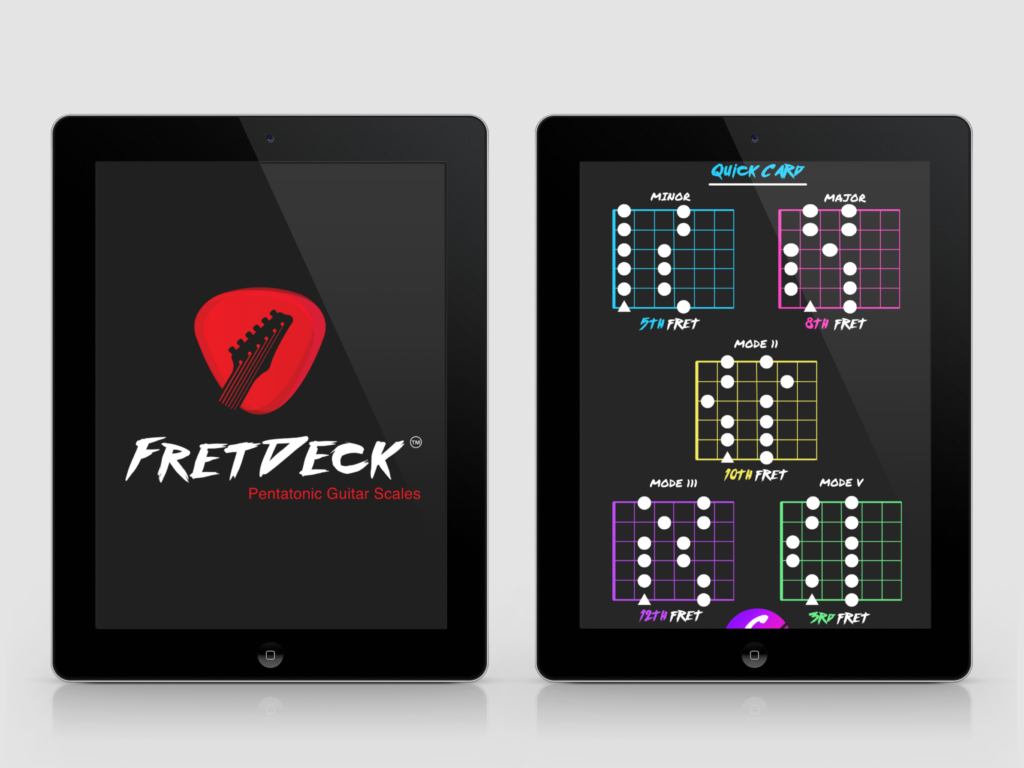
The FretDeck Practice Workstation changes that. It’s the interactive fretboard app that shows you exactly what to play, why it works, and how every note connects — so you finally understand the guitar instead of just copying tabs.
Whether you’re stuck in a rut, tired of noodling the same pentatonic box, or ready to unlock the entire neck — the FretDeck Practice Workstation gives you the visual roadmap to get there. All for just $14/month.
👉 Start Using the FretDeck Practice Workstation Now
Why Your Guitar Practice Metronome Method Is Failing You
Most players think they have a speed problem when they actually have a subdivision problem. For example, they can play a riff slowly, but they cannot explain where the notes fall between the clicks.
Consequently, when they speed up, their fingers start rushing or dragging. They blame their hands. They blame their guitar setup. However, the real culprit is a lack of rhythmic clarity.
Moreover, your brain needs to feel the space between the beats. If you do not know where the “and” of the beat is, you will always struggle. This is why a structured best-practice-routine is so critical for steady progress.
Furthermore, you should read articles on guitarworld.com to see how top pros talk about timing. They do not just play fast. Specifically, they play with absolute rhythmic intent.

The Half-Speed Trick for Instant Rhythm Control
Let us turn this whole struggle on its head. Instead of setting your guitar practice metronome to click on every single beat, try setting it to half-time.
Specifically, if your song is 120 BPM, set your click to 60 BPM. Now, make that click land only on beats 2 and 4. Suddenly, you have to supply beats 1 and 3 with your own internal clock.
As a result, you stop leaning on the click like a crutch. You start feeling the groove in your body. This simple change forces you to active-listen instead of just reacting to a noise.
Therefore, this shift builds an unshakeable sense of timing. It makes your rhythm playing sound like a record instead of a practice room scramble.
What If You Could See the Fretboard Instead of Just Memorizing It?
Most guitarists spend years guessing where to put their fingers. They memorize shapes without understanding why — and the second they try to improvise or learn a new song, they’re lost again.
The FretDeck Practice Workstation changes that. It’s the interactive fretboard app that shows you exactly what to play, why it works, and how every note connects — so you finally understand the guitar instead of just copying tabs.
Whether you’re stuck in a rut, tired of noodling the same pentatonic box, or ready to unlock the entire neck — the FretDeck Practice Workstation gives you the visual roadmap to get there. All for just $14/month.
👉 Start Using the FretDeck Practice Workstation Now
How to Map Your Fretboard to the Beat
Once you have your rhythm locked down, you need to apply it to your lead playing. For example, practicing scales without a beat is just aimless noodling.
Specifically, you should grab a great scale book or PDF. These resources are incredibly valuable. Then, put on your guitar practice metronome and play those patterns with strict subdivisions.
First, play one note per click (quarter notes). Second, play two notes per click (eighth notes). Finally, play four notes per click (sixteenth notes).
Consequently, you will start to notice where your fingers lag behind. You will see exactly which fretboard transitions are giving you trouble. This is how
Related posts: