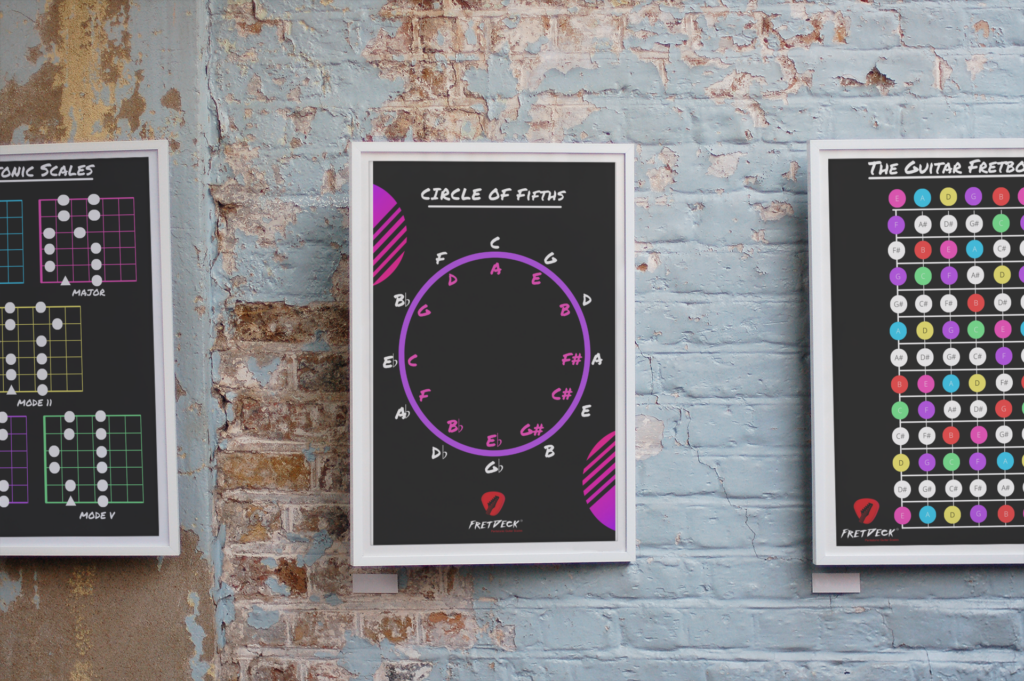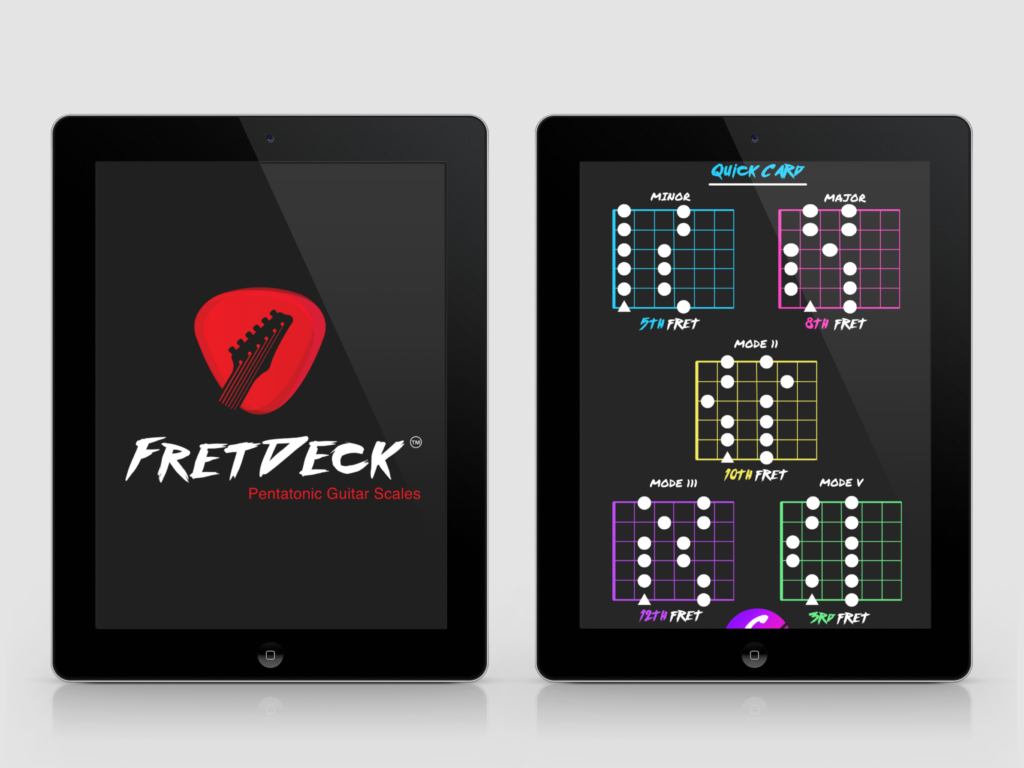

Are you searching for a comprehensive guitar scales patterns pdf that finally makes sense of the fretboard? You’ve found it. This guide is designed to take you from confused and overwhelmed to confident and creative, one scale shape at a time. You’ve likely felt that frustration of staring at endless dots and diagrams, wondering how they connect to the music you love.
That feeling is common. In fact, most guitar players hit a wall where they know a few scale shapes but can’t seem to break out of that one little box. They play the same licks over and over again. As a result, their solos sound predictable and their practice sessions feel like a chore.
The truth is, seeing the fretboard as a series of disconnected patterns is holding you back. It keeps you trapped in small zones, unable to navigate the neck with freedom. However, there is a better way. It involves shifting your perspective and using scale patterns not as a cage, but as a map.
Why You’re Stuck on the Fretboard
Does this sound familiar? You’ve downloaded a chart with the five pentatonic positions. You’ve painstakingly memorized the first position. Maybe you even learned the second. But when it’s time to play over a backing track, you find yourself stuck, unable to move smoothly between them.
This happens because you’ve been taught to see scales as static shapes. You haven’t been shown how they are all interconnected pieces of one giant puzzle. Therefore, your playing feels disjointed. You can play in a key, but you can’t truly play over the fretboard.
This stagnation leads to immense frustration. You practice for hours but don’t see tangible improvement in your solos. Consequently, you start to believe that improvising is a mysterious talent for the gifted few. But that’s simply not true. You just need the right roadmap.
The Simple Guitar Practice System That Eliminates Guesswork
So You Can Stop Stalling… and Start Sounding Better Every Time You Pick Up the Guitar
👉 Get 52 Practice Prompts Now!
From Dots to Dominance: Understanding Scale Patterns
First, let’s redefine what a scale pattern is. It’s not just a random collection of notes you must memorize. Instead, think of it as a movable, repeatable shape that contains all the correct notes for a specific scale. The real magic happens when you realize these shapes connect all the way up and down the neck.
For example, the Minor Pentatonic scale is the bedrock of rock, blues, and pop music. It has five distinct patterns. Rather than seeing them as five separate scales, see them as five “windows” into the same scale at different points on the fretboard. Once you learn how to travel between these windows, the entire neck opens up.
This is the core idea behind systems like CAGED. It provides a framework for visualizing how chord shapes and scale patterns overlap. Consequently, you stop guessing where the notes are. You start seeing the pathways. To go deeper on this, you should master the fundamental principles of how to learn guitar scales before tackling advanced concepts. Memorizing patterns is one thing; understanding them is everything.
The Essential Guitar Scales Patterns PDF You Need
Ready to get started? A great guitar scales patterns pdf should be clear, concise, and focused on the most useful scales first. Too much information creates overwhelm. Our guide focuses on the “big four” that will give you the most mileage and unlock 90% of the music you want to play. We provide the essential diagrams you need to see the bigger picture.
Here are the patterns you must know:
1. The Minor Pentatonic Scale: This is your bread and butter. It’s the sound of classic rock solos and soulful blues licks. Mastering its five positions is your first and most important mission.
2. The Major Pentatonic Scale: While it shares shapes with the minor pentatonic, its root notes are in different places. This gives it a happy, sweet sound perfect for country, pop, and upbeat rock. Learning this scale will instantly expand your melodic vocabulary.
3. The Major Scale (Ionian): This is the foundation of Western music theory. All seven notes of the scale create a full, melodic sound. Moreover, learning its patterns (often taught as seven 3-note-per-string shapes) allows you to build chords and understand harmony on a much deeper level.
4. The Natural Minor Scale (Aeolian): This is the sadder, more dramatic-sounding counterpart to the Major Scale. It’s essential for modern rock, metal, and cinematic music. Understanding this scale gives your playing a completely different emotional flavor. Any useful guitar scales patterns pdf will include these foundational tools for your musical toolkit.
The Simple Guitar Practice System That Eliminates Guesswork
So You Can Stop Stalling… and Start Sounding Better Every Time You Pick Up the Guitar
👉 Get 52 Practice Prompts Now!
Beyond Shapes: Connecting the Patterns
Memorizing the shapes from a guitar scales patterns pdf is only step one. The real skill is connecting them into one seamless super-scale that covers the entire fretboard. So, how do you do that? You focus on the notes where the patterns meet.
Think of each scale position ending and the next one beginning. There are notes that overlap. Specifically, you can use techniques like slides, hammer-ons, and pull-offs to travel between these positions smoothly. For instance, instead of stopping at the highest note of “box one,” you can slide up to the next note, which is also the lowest note of “box two.”
This single technique transforms your playing from clunky to fluid. You are no longer trapped in a single area. For a deep dive into this, the experts at Guitar World often publish excellent lessons on connecting pentatonic shapes. The goal is to see the fretboard not as five boxes, but as one continuous path. As a result, your fingers will learn to follow your musical ideas anywhere on the neck.
7 Steps to Master Your Guitar Scales Patterns PDF
You have the diagrams. Now, how do you integrate them into your actual playing? Follow these seven steps to turn theoretical knowledge into musical skill.
1. Start Unbelievably Slow. Use a metronome at a very low speed (like 60 bpm). The goal is not speed; it’s accuracy and muscle memory. Your fingers need to learn the path without your brain overthinking it.
2. Master One Position at a Time. Don’t try to learn all five pentatonic shapes in one day. Instead, spend a full week just on position one. Play it up, down, backwards, and forwards until it feels second nature. Then, move to the next.
3. Sing As You Play. This is a pro-level tip. As you play each note of the scale, try to hum or sing the pitch. This simple exercise connects your hands, your mind, and your ears, which is crucial for authentic improvisation.
4. Practice with Backing Tracks. This is the most critical step. Scales are meaningless without a musical context. Find a simple blues or rock backing track on YouTube and just try to play the notes from the scale over it. This is where the real learning happens.
5. Break the Pattern. Don’t just run scales up and down. That sounds like an exercise, not music. Instead, try playing the scale in sequences of three or four notes. Play it in intervals of 3rds or 4ths. This forces you to be creative and is a cornerstone of a best practice routine.
6. Connect Scales to Chords. Look at how your scale patterns overlap with basic chord shapes. Can you see the A-minor chord shape inside the A-minor pentatonic scale? Making this connection is a massive “aha!” moment for many players and is key to understanding any chord progression guide.
7. Improvise Daily. Even if it’s just for five minutes. Put on a track and noodle. Don’t judge yourself. Just explore. Tools like FretDeck offer practice prompts that can give you a starting point, removing the “what should I practice?” question entirely. Consistency is far more important than intensity. The popular Fender Play platform also has great resources for contextual practice.
Frequently Asked Questions (FAQ)
How do I use a guitar scales patterns PDF effectively?
The key is active use, not passive reading. Print the guitar scales patterns pdf and put it on your music stand. Focus on one shape per week. Use a metronome and a backing track. The goal is to internalize the shapes so you no longer need the paper.
What’s the best scale to learn first?
Without a doubt, the Minor Pentatonic scale. It’s musically versatile, sounds instantly good, and its five patterns are relatively easy to memorize. It’s the foundation for nearly all rock and blues soloing and the perfect starting point for any guitarist looking to improvise.
How long does it take to memorize scale patterns?
It varies, but with consistent daily practice (15-20 minutes), you can have a solid grasp of one pattern in a week. Therefore, memorizing all five positions of the pentatonic scale could take about a month or two. However, “mastering” them and using them musically is a lifelong journey of discovery. Focus on consistency, not speed.
The Simple Guitar Practice System That Eliminates Guesswork
So You Can Stop Stalling… and Start Sounding Better Every Time You Pick Up the Guitar