The Plateau Problem
Every guitarist hits it with out intermediate guitar lessons. You’ve got your basic chords down, you’ve played a handful of songs, maybe even jammed with friends. But then comes the stall. Progress slows. You feel like you’re playing the same riffs, the same shapes, the same licks—over and over again.
That’s where intermediate guitar lessons come in. Not the cookie-cutter kind where you learn yet another pentatonic box, but lessons that show you how to think, create, and play like an actual musician.
This article will break down how to move from “I know a few songs” to “I’m building my own sound.” Along the way, I’ll give you practice prompts, connect you to some deeper resources, and—if you’re serious about growth—invite you to join my Patreon channel, where I teach players like you how to break through the plateau and actually own the fretboard.
🎸 Join the Guitar Freaks Patreon!
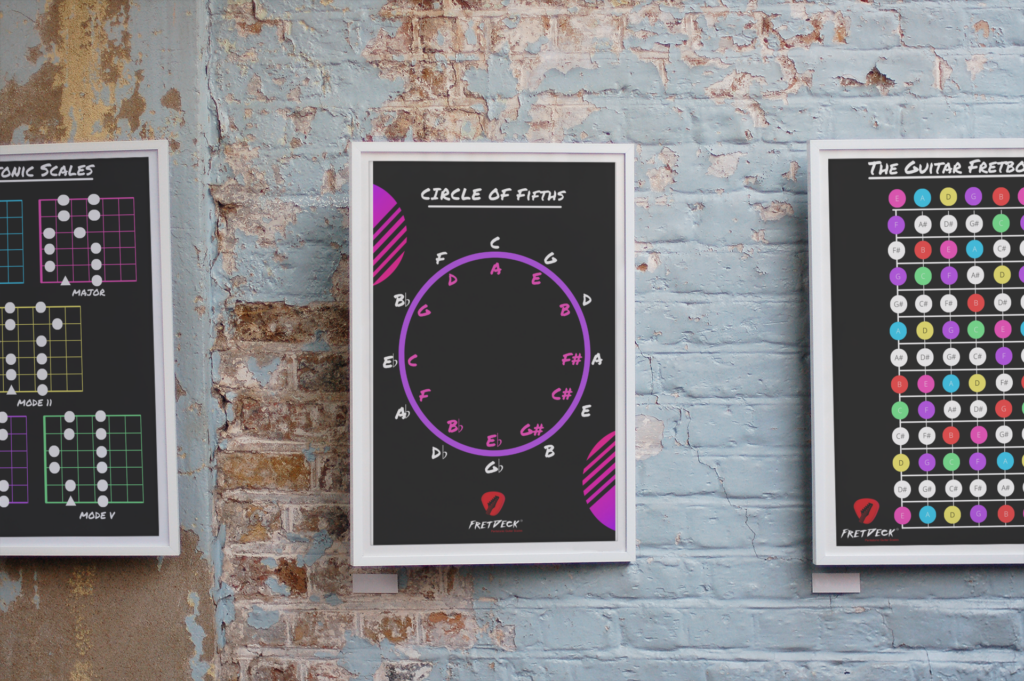
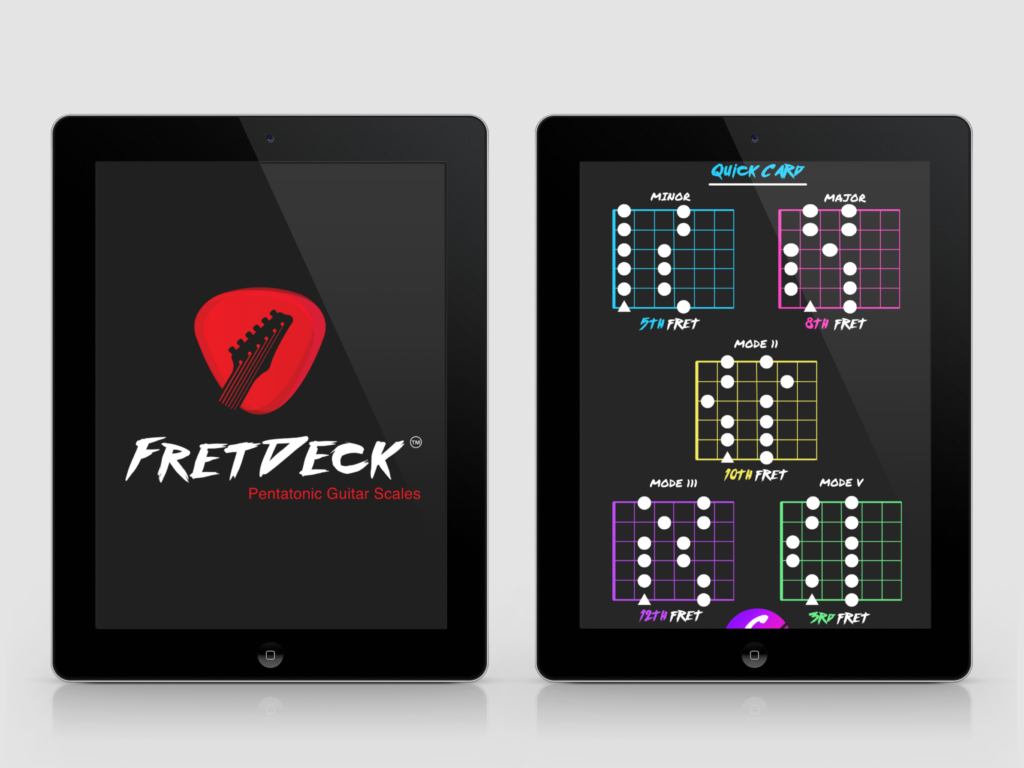
Get SoloCraft™ E-Book & FretDeck™ FREE!
Join Guitar Freaks on Patreon and instantly unlock my full e-book SoloCraft & FretDeck™ Guitar Scales—your step-by-step guide to fretboard mastery and crafting soulful solos.
New video lesson drops every Friday so you’ve always got a fresh, focused practice plan for the week.
👉 Don’t miss out—join now and grab your free copy!
Step 1: Expand Your Chord Vocabulary
At the intermediate stage, you’ve probably memorized the open chords and a few barre shapes. Good start. Now it’s time to move beyond the “campfire songs” stage.
- Triads on the top three strings — Learning major and minor triad shapes up the neck gives you rhythm options that sound like what pros actually play.
- Seventh chords — Dominant 7, Major 7, Minor 7: these are the colors of blues, soul, and jazz.
- Progressions with movement — Instead of G–C–D, try Gmaj7–Cadd9–D7. You’ll immediately hear the difference.
👉 Internal Resource: Check out my article on guitar triads to start building these smaller, movable shapes.
Step 2: Rethink Scales as Musical Tools
Here’s the hard truth: scales aren’t music. They’re just maps. But when you use them to create melodies, that’s when they start working for you.
- Learn to connect pentatonic patterns across the fretboard, not just box by box.
- Introduce major scale modes (Dorian, Mixolydian, Lydian) to get out of the “same old solo” trap.
- Practice phrasing with limits: two notes, one bend, or one rhythmic figure.
👉 Practice Prompt: Take the A minor pentatonic scale. Instead of running it up and down, choose two notes and play them in five different rhythms. That’s phrasing, not finger aerobics.

👉 External Resource: TrueFire’s Intermediate Guitar Lessons are excellent if you want structured, video-based guidance alongside what I’m teaching here.
Step 3: Develop Your Rhythm Identity
Intermediate players often focus too much on soloing and forget that rhythm is 80% of the gig. Your ability to groove determines whether other musicians want to play with you.
- Practice syncopation: accents off the beat.
- Work on muted strums: percussive hits that make chords dance.
- Learn to hear and count odd subdivisions (triplets, 16th-note syncopations).
👉 Internal Resource: My post on common guitar chord progressions gives you dozens of grooves to apply these ideas to.
Step 4: Crafting Solos with Intent
At this stage, it’s not about how many notes you can play. It’s about how you tell a story.
- Start small: your first phrase should almost feel like a question.
- Build tension: use bends, slides, and longer notes to stretch the listener’s ear.
- Release big: the payoff lick that makes people smile.
This isn’t theory fluff—it’s what every great soloist from B.B. King to John Mayer actually does.
The Patreon Channel: Where You Go from Here
Now, here’s the part where I get blunt, Dan Kennedy style:
If you’ve been spinning your wheels, playing the same handful of shapes and songs, you have two choices:
- Keep dabbling, hoping YouTube shorts and scattered tabs will somehow turn you into the player you want to be.
- Or—join me inside my Patreon channel, where I’ve built weekly intermediate guitar lessons designed to break the plateau once and for all.
For less than the price of two strings and a pack of picks, you’ll get:
- Exclusive video lessons that go deeper than my free blog posts.
- Practice prompts and challenges you can plug into your routine immediately.
- Direct access to me and a community of players who are just as serious as you.
The plateau ends where commitment begins. Click here and join today: Patreon – Guitar Freaks.
🎸 Join the Guitar Freaks Patreon!
Get SoloCraft™ E-Book & FretDeck™ FREE!
Join Guitar Freaks on Patreon and instantly unlock my full e-book SoloCraft & FretDeck™ Guitar Scales—your step-by-step guide to fretboard mastery and crafting soulful solos.
New video lesson drops every Friday so you’ve always got a fresh, focused practice plan for the week.
👉 Don’t miss out—join now and grab your free copy!
Conclusion
Intermediate guitar lessons aren’t about stuffing your brain with more theory or flashy licks. They’re about connecting the dots: chords, scales, rhythm, and phrasing.
Once you see how these elements work together, you don’t just play the guitar—you speak through it.
So practice the prompts. Read the linked articles. But if you’re ready for the next level, come inside the Patreon. That’s where we take players like you and make sure you never stall again.
👉 Learn Guitar Triads: The Secret to Better Rhythm Playing
Related posts: