

Finding the right software to play guitar through computer your computer can feel like a complex, technical nightmare. But what if it’s actually the simplest path to achieving world-class guitar tone without spending thousands on amps and pedals? It’s true. For a fraction of the cost, you can unlock a universe of sound right from your desk.
You can move from a thin, weak practice amp tone to the sound of a stadium-ready stack in just a few clicks. This isn’t a futuristic dream; it’s the reality for countless modern guitarists. The only barrier is knowing where to start.
This guide will demystify the entire process. We will break down exactly what you need, how it works, and how you can get started tonight. You’ll see why this modern approach isn’t just an alternative to traditional amps—it’s often better.
The Endless Cycle of “Tone Chasing”
You know the feeling. Spend hours watching YouTube demos of that one boutique amplifier that promises to finally deliver “your sound.” You save up, buy the amp, and for a week, it’s perfect.
Then you hear another sound. You realize your new amp is great for blues, but it can’t quite nail that modern metal chug. Or maybe it’s too loud for your apartment, so you can never push it into that sweet spot where the magic happens.
So, the cycle begins again. You’re back to browsing forums, watching demos, and looking at pedals to fix the amp’s shortcomings. It’s an expensive and frustrating journey that distracts you from what really matters: playing the guitar. You end up with a room full of gear but still feel like your tone is missing something.
What If You Could See the Fretboard Instead of Just Memorizing It?
Most guitarists spend years guessing where to put their fingers. They memorize shapes without understanding why — and the second they try to improvise or learn a new song, they’re lost again.
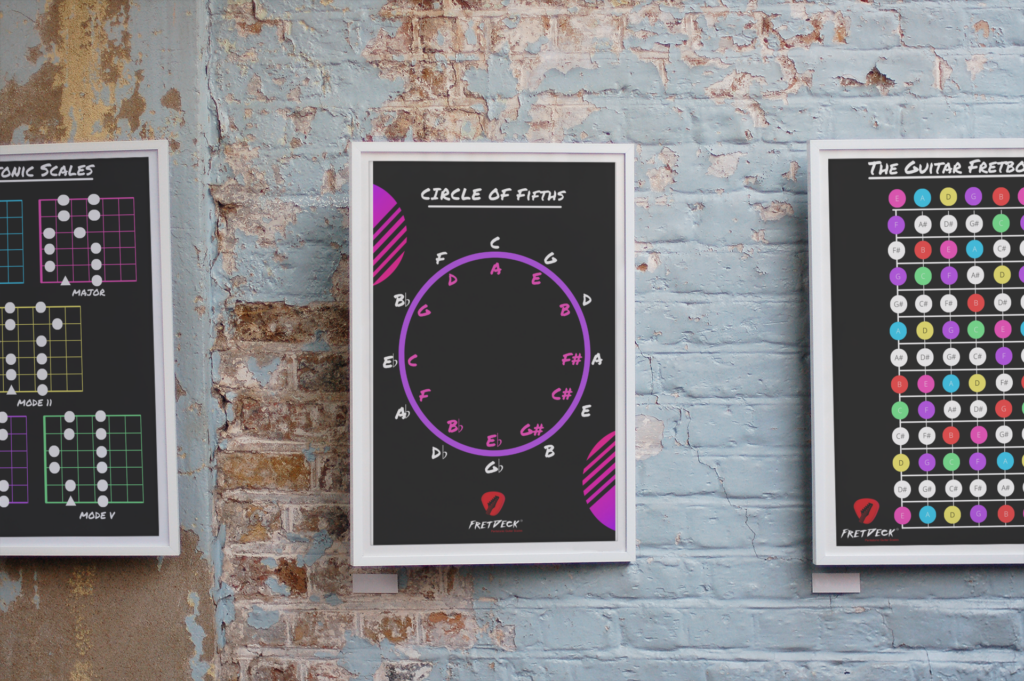
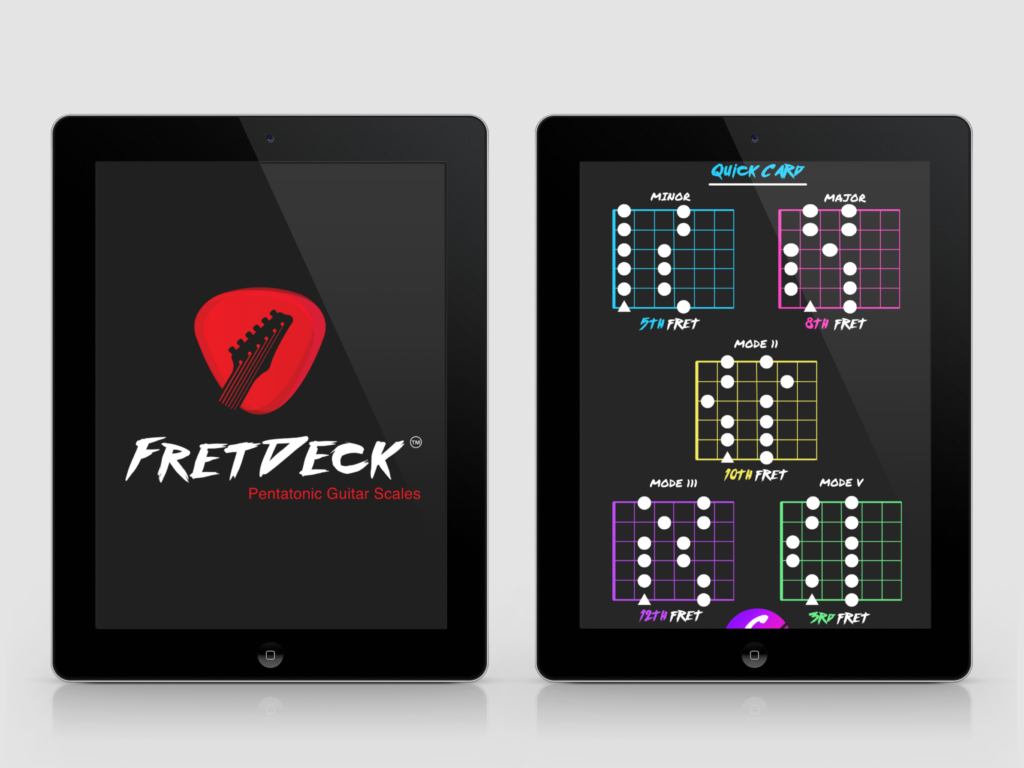
The FretDeck Practice Workstation changes that. It’s the interactive fretboard app that shows you exactly what to play, why it works, and how every note connects — so you finally understand the guitar instead of just copying tabs.

Whether you’re stuck in a rut, tired of noodling the same pentatonic box, or ready to unlock the entire neck — the FretDeck Practice Workstation gives you the visual roadmap to get there. All for just $14/month.
👉 Start Using the FretDeck Practice Workstation Now
The Three Pillars of Digital Guitar Tone
To get started, you only need three key components. Think of them as the holy trinity of playing guitar through your computer. Forget the complex diagrams and technical jargon; it’s simpler than you think.
Specifically, you need an audio interface, a DAW (or standalone software), and an amp simulator. That’s it.
1. The Audio Interface: This is the crucial bridge between your guitar and your computer. Your guitar’s analog signal goes in, and the interface converts it into a digital signal the computer can understand. More importantly, it handles the output to your headphones or speakers with near-zero delay (latency). A simple two-input interface from a brand like Focusrite or PreSonus is a perfect starting point.
2. The DAW (Digital Audio Workstation): This is the software that hosts your virtual amps and effects. Think of it as a recording studio inside your computer. While powerful DAWs like Logic Pro X or Ableton Live are amazing for recording, you can often start with a free version like GarageBand (Mac) or Reaper’s generous trial (PC). Some software play guitar through comes in a standalone version, meaning you don’t even need a DAW to get started.
3. The Amp Simulator (VST/AU Plugin): This is the fun part. An amp simulator is a piece of software that meticulously models a real-world guitar amplifier. Want the sound of a vintage Fender Twin? A roaring Marshall JCM800? A high-gain Mesa Boogie Dual Rectifier? You can have them all, plus dozens of others, inside a single program. Reputable sources like Guitar World often review the latest and greatest options.
How to Choose the Right software play guitar through Your Mac or PC
With your hardware sorted, the big question becomes which amp simulation software to choose. The market is flooded with incredible options, from free plugins to comprehensive professional suites. The key is to find the one that inspires you to play.
Firstly, consider what styles of music you play most. If you’re into classic rock and blues, you might lean towards software that excels at vintage Marshall and Fender tones, like IK Multimedia’s AmpliTube or Softube’s Amp Room. For metal and hard rock, options from Neural DSP or Joey Sturgis Tones are legendary for their tight, aggressive sounds.
Moreover, almost every major amp sim developer offers a free trial. This is your single greatest advantage. Before spending a dime, you can download and test drive the software for 7-14 days. This allows you to see how it performs on your computer and, most importantly, how it feels to play. Does it respond to your playing dynamics? Do the tones inspire new ideas?
Don’t get caught up in having a million options. It’s better to have one or two virtual amps you know inside and out than a hundred you barely touch. Start with a suite that covers your core sounds and expand later if needed.
What If You Could See the Fretboard Instead of Just Memorizing It?
Most guitarists spend years guessing where to put their fingers. They memorize shapes without understanding why — and the second they try to improvise or learn a new song, they’re lost again.
The FretDeck Practice Workstation changes that. It’s the interactive fretboard app that shows you exactly what to play, why it works, and how every note connects — so you finally understand the guitar instead of just copying tabs.
Whether you’re stuck in a rut, tired of noodling the same pentatonic box, or ready to unlock the entire neck — the FretDeck Practice Workstation gives you the visual roadmap to get there. All for just $14/month.
👉 Start Using the FretDeck Practice Workstation Now
Standalone vs. Plugin: A Crucial Distinction
When you explore amp sim software, you’ll see two terms repeatedly: “standalone” and “plugin.” Understanding the difference is vital for a smooth workflow.
A standalone application runs by itself, just like your web browser or a word processor. You open the app, select your audio interface, and start playing. This is perfect for practice, jamming, and songwriting. It’s quick, easy, and requires minimal setup. For daily use, the simplicity of a standalone app is unbeatable.
A plugin (VST, AU, AAX) version, however, cannot run on its own. It needs to be “hosted” inside a DAW. This is what you use for recording. You create an audio track in your DAW, insert the amp sim plugin on that track, and record your parts. This workflow allows you to layer multiple guitar tracks, add other instruments, and produce a full song.
Most modern amp sim packages include both versions. Therefore, you can use the standalone app for your daily best practice routine and then open the exact same tones as a plugin when you’re ready to record. It’s the best of both worlds.
Practical Steps to Get Started Tonight
Feeling ready to ditch the amp and dive in? Here is a simple, numbered path to get you playing with great tone right away.
1. Get a Solid Audio Interface. This is non-negotiable. Don’t try to use your computer’s built-in microphone jack. A dedicated interface like a Focusrite Scarlett 2i2 or a PreSonus AudioBox is the industry standard for a reason. It provides a clean signal and low-latency monitoring.
2. Download a Standalone Amp Sim Trial. Start with a popular, user-friendly option. Neural DSP, IK Multimedia’s AmpliTube 5 CS (which is free), and Native Instruments’ Guitar Rig 7 Player are all excellent starting points. MusicRadar provides great roundups of the best free and paid options.
3. Set Your Buffer Size. Once the software is installed, go to the audio settings. You’ll see an option for “Buffer Size.” Set this as low as your computer can handle without crackling (start with 128 samples and go down). This minimizes latency, the slight delay between when you pick a note and when you hear it. A proper electric guitar setup will also help your signal stay clean.
4. Explore Presets. Don’t get paralyzed by tweaking knobs immediately. Jump into the presets and find a few sounds that you love. This gives you instant gratification and lets you start playing. You can learn to build tones from scratch later.
5. Combine Your Tone with Smart Practice. Once you have your professional tone dialed in, you need an effective way to practice. Using your new software to play guitar through computer your computer alongside a visual practice tool like the FretDeck app can dramatically speed up your understanding of scales, chords, and the entire fretboard.
Frequently Asked Questions
Can I really get a professional sound with just software?
Absolutely. A huge number of modern albums, from bedroom pop to progressive metal, are recorded using exclusively amp simulation software. The technology has advanced so much that in a blind test, even seasoned engineers often can’t distinguish a high-quality amp sim from a real, miked-up amplifier. The key is using quality software to play guitar through computer and learning basic EQ and mixing principles.
What is latency and how do I fix it?
Latency is the small delay between plucking a string and hearing the sound through your speakers or headphones. It’s caused by the time it takes your computer to process the audio. You can fix it by using a good audio interface and setting a low buffer size (e.g., 64 or 128 samples) in your software’s audio settings. For most beginners, this is one of the most important beginner guitar tips for a good experience.
Is using software to play guitar through a computer better than a real amp?
It depends on the context. For versatility, silent practice, recording convenience, and cost-effectiveness, software is the undisputed winner. You get access to a massive library of tones instantly. However, some players still prefer the physical feeling of a real amp “pushing air” in a room. The great news is you don’t have to choose. Many guitarists use software to play guitar through computer for home practice and recording, and a real amp for live gigs.
What If You Could See the Fretboard Instead of Just Memorizing It?
Most guitarists spend years guessing where to put their fingers. They memorize shapes without understanding why — and the second they try to improvise or learn a new song, they’re lost again.
The FretDeck Practice Workstation changes that. It’s the interactive fretboard app that shows you exactly what to play, why it works, and how every note connects — so you finally understand the guitar instead of just copying tabs.
Whether you’re stuck in a rut, tired of noodling the same pentatonic box, or ready to unlock the entire neck — the FretDeck Practice Workstation gives you the visual roadmap to get there. All for just $14/month.
👉 Start Using the FretDeck Practice Workstation Now
Related posts: