When Notes Turn Into Emotion

Every guitarist starts with imitation—copying licks, stealing tone, repeating phrases from heroes who made the instrument sound like church. But somewhere along the way, imitation has to turn into expression.
That’s where soul guitar begins.
Soul guitar isn’t about speed or flash. It’s about conversation—between you, the guitar, and the world listening on the other end. The goal isn’t perfection; it’s truth. One note, if it’s the right one, can feel like a confession.
The Moment It Clicks
If you’ve ever sat in front of a record player and heard a single guitar line pull your heart straight through your chest—you already know what I’m talking about.
Maybe it was B.B. King’s vibrato, Steve Cropper’s sharp rhythm stabs, or Curtis Mayfield’s silky chord voicings. Whatever it was, it had weight.
That moment doesn’t come from technique alone. It comes from awareness of the fretboard—the invisible geography that turns chaos into melody.
When you know where every note lives, you stop playing the guitar; you start speaking through it.
🎸 Join the Guitar Freaks Patreon!
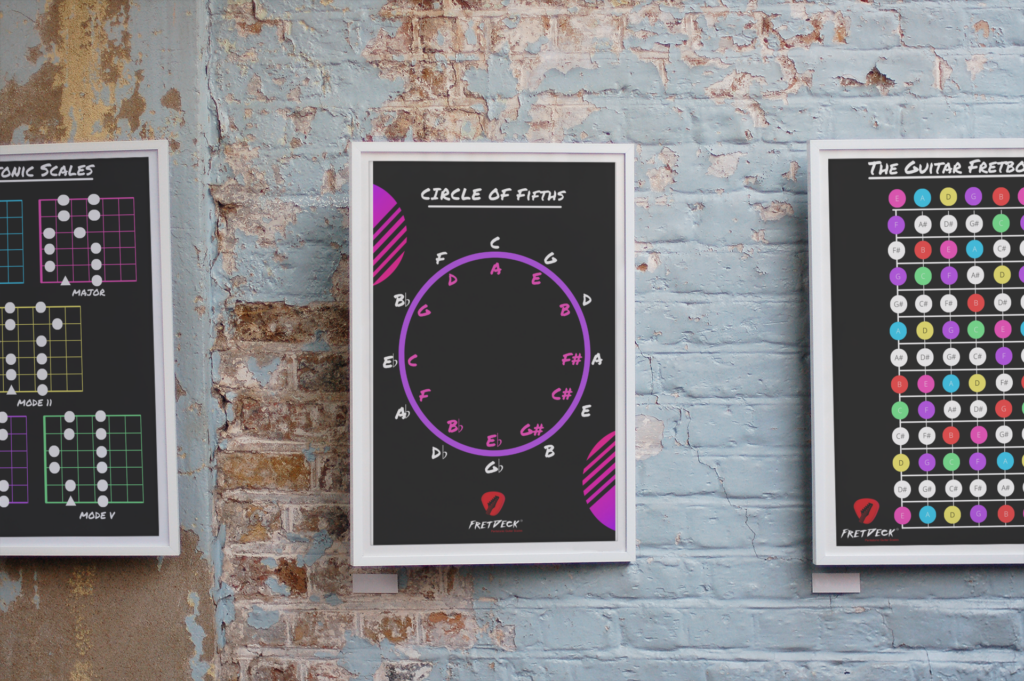
Get SoloCraft™ E-Book & FretDeck™ FREE!
Join Guitar Freaks on Patreon and instantly unlock my full e-book SoloCraft & FretDeck™ Guitar Scales—your step-by-step guide to fretboard mastery and crafting soulful solos.
New video lesson drops every Friday so you’ve always got a fresh, focused practice plan for the week.
👉 Don’t miss out—join now and grab your free copy!
Step 1: Listen Until You Feel It
Before you play a note, listen. Soul guitar starts in the ears, not the fingers.
Put on a playlist of the greats—Mayfield, Cropper, Cornell Dupree, Bobby Womack.
Don’t analyze. Absorb. Notice how they phrase: the space between licks, the little push against the beat, the way a slide lingers just a breath too long.
Write down what you hear. “Soft attack.” “Held bend.” “Three-note vocal shape.”
These small details are emotional fingerprints—the DNA of soul.
Step 2: Learn the Neck Like a Map of Memory
Soul music leaves no room for hesitation. You can’t think, Where’s that G again? in the middle of a phrase. You have to know.
Here’s an exercise I call “The Compass Walk.”

- Pick any root—say E.
- Play it on every string you can find.
- Say the name aloud each time.
- Move up one fret and repeat.
After a week, you’ll notice your hands stop searching. The fretboard starts feeling smaller—more personal. You’ll recognize landmarks, like an old neighborhood where every corner feels familiar.
That’s when phrasing becomes instinct.
Step 3: Master the Art of Space
In soul guitar, silence carries as much weight as sound.
Try this: play a short phrase—maybe three notes—and then force yourself to pause for four beats. Don’t fill the gap. Listen to how the phrase hangs in the air.
That tension is the listener’s heartbeat waiting for the next line.
Miles Davis once said, “It’s not the notes you play, it’s the notes you don’t play.” On guitar, that’s gospel truth.
The best players let their tone breathe. Every pause invites emotion to enter.
Step 4: Shape Tone Like Clay
Tone is touch. You can buy pedals, amps, strings—but if your hands aren’t telling the story, no gear will save you.
Here’s a practice:
- Play one note using only your fingers.
- Play the same note with a pick.
- Slide into it.
- Pull off.
- Add vibrato.
Five ways, one note. Each variation says something different—sad, playful, confident, or pleading. That’s how you find your voice.
The best soul guitar tones sound like someone speaking quietly but with conviction.
Step 5: Turn Chords Into Conversations
Soul guitarists treat chords like phrases, not blocks.
Take a simple A major chord. Instead of strumming it flat, break it into pieces. Pluck the A string. Then the D string. Add a slide on the G. Let the B ring and fade.
Suddenly that basic chord starts talking.
Follow the root through the Circle of 4ths and repeat. You’ll hear the harmony shift moods, the way sentences change tone mid-story.
When you treat chords this way, you stop sounding mechanical—you start sounding human.
Step 6: The Interval Secret
Intervals are emotion in miniature.
A minor 3rd feels like a sigh.
A perfect 4th feels like longing.
A major 6th feels like forgiveness.
Start pairing intervals with words or feelings. Write them down. When you solo, aim for emotions, not numbers. That’s how you escape the scale box and enter the conversation of soul.
The Daily “One Voice” Practice
Each morning, pick a key—say G minor.
Play a phrase using only three notes. Sing along as you play.
Repeat the same phrase in every position on the neck.
By the end of the week, you’ll feel your phrasing tighten and your tone deepen.
This is how you learn to sound like yourself instead of your influences.
From Practice to Performance: Where the Soul Lives
When you finally step into a live setting—maybe your first open mic or band rehearsal—remember: soul guitar isn’t about perfection. It’s about presence.
If a note buzzes, bend it deeper.
If you forget a line, breathe and make it bluesy.
Soul guitar rewards authenticity over accuracy.
That’s why players who can say more with less always outshine those who say nothing with everything.
Why Most Players Never Find Their Soul Voice
Here’s the brutal truth: most guitarists never cross that line. They stay trapped in scale patterns and fretboard anxiety. They play shapes, not songs.
Not because they lack talent—but because they lack clarity.
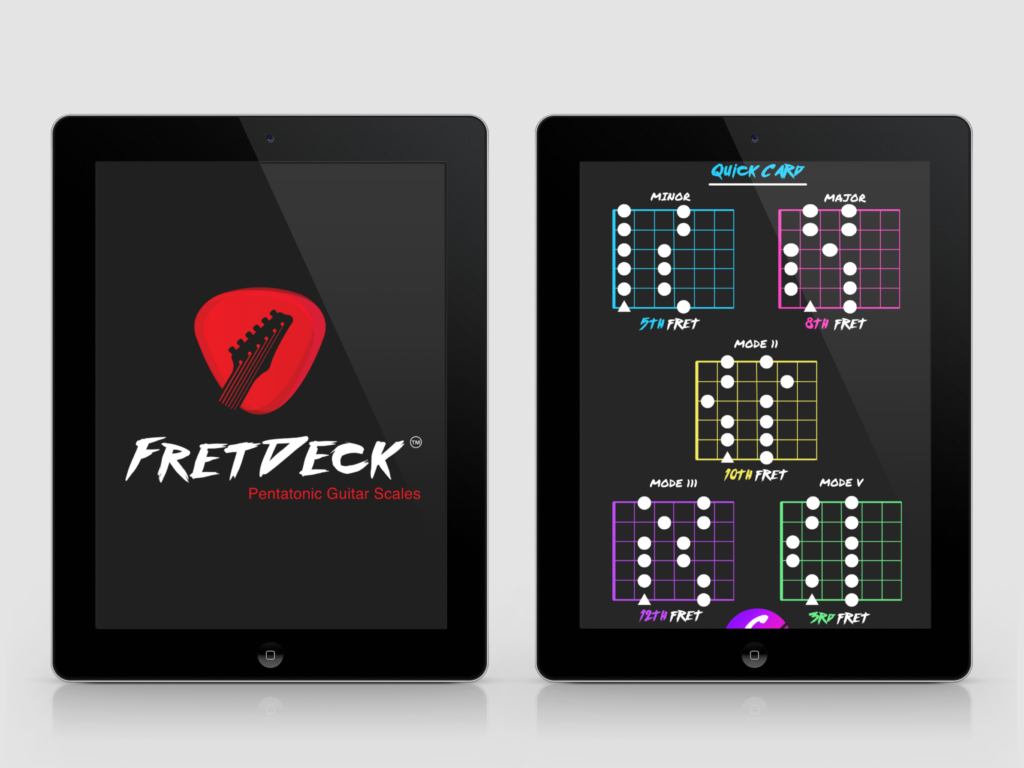
To play soul guitar, you need a system that makes the fretboard second nature. That’s why I built FretDeck™, a visual learning deck that trains your hands and brain to move together.
Inside the Guitar Freaks Patreon, you’ll get FretDeck™ FREE, plus my full SoloCraft™ ebook—a step-by-step method to turn scales into stories.
Every Friday, you’ll also get a new lesson designed to strengthen your phrasing, tone, and creativity.
👉 Join Guitar Freaks on Patreon
Start practicing with focus. Play with meaning. Sound like you.
🎸 Join the Guitar Freaks Patreon!
Get SoloCraft™ E-Book & FretDeck™ FREE!
Join Guitar Freaks on Patreon and instantly unlock my full e-book SoloCraft & FretDeck™ Guitar Scales—your step-by-step guide to fretboard mastery and crafting soulful solos.
New video lesson drops every Friday so you’ve always got a fresh, focused practice plan for the week.
👉 Don’t miss out—join now and grab your free copy!
Listen to the Source: BluesWire Radio
If you want to know what soul really sounds like, don’t scroll YouTube—listen where it lives.
Every Friday at 8 PM (MST), BluesWire Radio brings you Deep Cuts: Slow Blues—vintage tracks and rare grooves that shaped generations of guitar players.
It’s not background music. It’s a masterclass in phrasing, tone, and storytelling through strings.
Put on your headphones, close your eyes, and let those deep bends and gospel changes remind you what soul feels like.
🎧 Tune in Now → BluesWire Radio
Tired of lifeless playlists pretending to be blues music?
Then stop scrolling and start listening. BluesWire Radio is the only station that gives you real blues — sweat, soul, and storytelling straight from the heart of America’s music. Every note hand-picked, every song with a pulse.
Deep Cuts airs every Friday at 8pm.
It’s not background noise — it’s a ritual for people who still believe music should move them.
👉 Click here and feel it for yourself: BluesWire Radio on Live365
Because every great guitarist started as a listener first.
Final Thoughts: Soul Is a Mirror
Soul guitar isn’t about playing what’s right—it’s about playing what’s true.
When your fretboard feels familiar, your hands stop thinking.
When your mind quiets, your music speaks.
The soul of your guitar voice has been waiting under your fingertips all along.
All it needs is your attention—and a little faith in the power of one perfectly played note.
🔗 Internal & Outbound Links
Related posts: