

Finding the best guitar app for scales can feel like an impossible task, but it’s the secret weapon you need to finally break out of your playing rut. You know the one: stuck in the same pentatonic box, playing the same licks, and feeling like the fretboard is a giant, confusing mystery. You’re not alone.
Most guitarists hit this wall. They can play a few songs and maybe a solo or two, but the moment they try to improvise or create their own music, they freeze. They lack the fundamental map of the neck, and that map is built on scales. If you’re tired of just memorizing shapes, it’s time to find a tool that helps you see the music.
However, the path to mastering the fretboard isn’t about downloading dozens of random apps. It’s about finding the right kind of tool that transforms how you practice and visualize music. It’s time to stop guessing and start playing with intention.
Why Scale Books and YouTube Videos Fail You
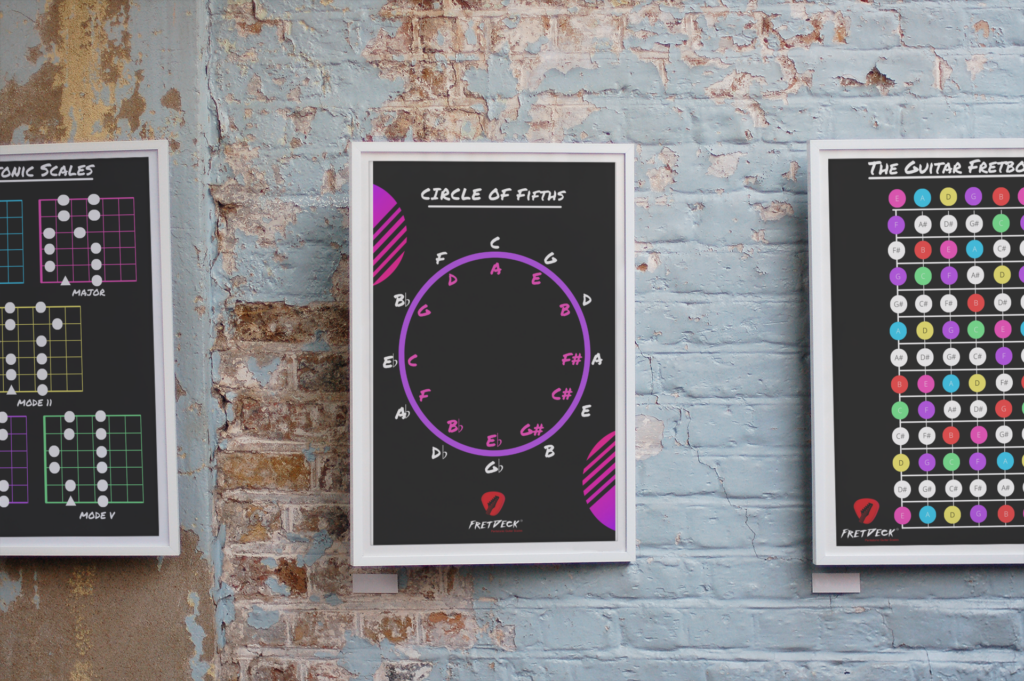
You’ve probably tried the old-school methods. You bought a dusty scale book filled with hundreds of black-and-white diagrams that look more like cryptic spreadsheets than music. You’ve spent countless hours scrolling through YouTube, trying to pause the video at the exact moment the instructor’s fingers land on the right frets.
The problem? These methods are static and passive.
A book can’t play the scale back to you. It can’t show you how that Lydian mode sounds over a specific chord. Moreover, it can’t provide a backing track for you to actually use the scale in a musical context. As a result, you’re left with disconnected shapes and zero understanding of how they apply to real music. This is a common struggle, especially for those following standard beginner guitar tips that often over-emphasize static charts.
YouTube is slightly better, but it creates a different problem: information overload and a lack of structure. You jump from a video on the minor pentatonic to one on harmonic minor, all without a clear path forward. Consequently, you end up with fragmented knowledge, never truly connecting the dots or building a solid foundation. Searching for the best guitar app for scales is a direct response to the failure of these one-dimensional learning tools.
What If You Could See the Fretboard Instead of Just Memorizing It?
Most guitarists spend years guessing where to put their fingers. They memorize shapes without understanding why — and the second they try to improvise or learn a new song, they’re lost again.

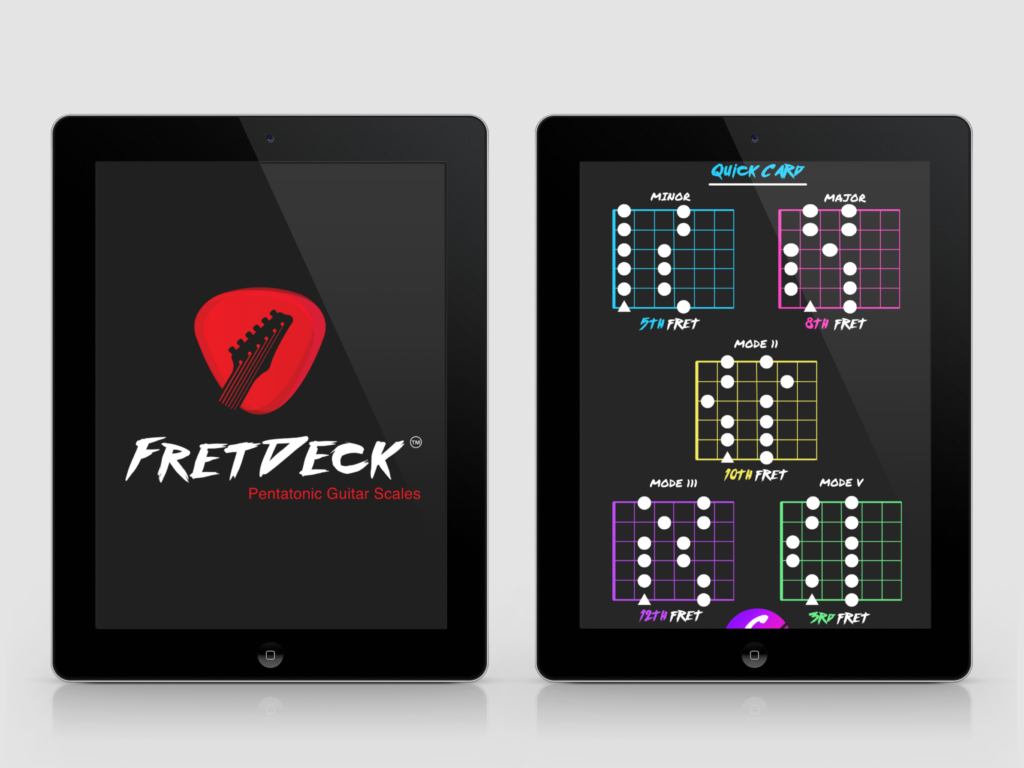
The FretDeck Practice Workstation changes that. It’s the interactive fretboard app that shows you exactly what to play, why it works, and how every note connects — so you finally understand the guitar instead of just copying tabs.
Whether you’re stuck in a rut, tired of noodling the same pentatonic box, or ready to unlock the entire neck — the FretDeck Practice Workstation gives you the visual roadmap to get there. All for just $14/month.
👉 Start Using the FretDeck Practice Workstation Now
The Core Features of a Game-Changing Scale App
So, what separates a glorified digital scale book from a tool that will actually accelerate your progress? The secret lies in a few key features that promote active learning instead of passive consumption. When you’re evaluating options, look for these non-negotiable elements.
First and foremost, interactivity is king. You need an app that lets you tap on a note and hear it instantly. You should be able to see the entire scale across the fretboard, not just in one isolated position. For example, a great app will show you all the “C” notes on the neck, light up the C Major scale across all strings, and let you explore its modes with a single click.
Secondly, integrated audio and backing tracks are essential. Learning a scale in silence is like learning a word without ever hearing it spoken. The best guitar app for scales must provide high-quality audio for every note and, more importantly, offer backing tracks in various keys and styles. This feature transforms boring scale practice into an exciting jam session, teaching your ear to connect the scale’s sound with its shape.
Finally, look for contextual theory. An app that just shows you the scale pattern is only doing half the job. A truly powerful tool will show you which chords work with that scale. It will explain that the A minor pentatonic is the perfect choice over an Am-G-C progression. This context is what bridges the gap between knowing a scale and knowing how to use it to make music.
What is the Best Guitar App for Scales for Visual Learners?
For many players, the biggest hurdle isn’t a lack of discipline; it’s how their brain processes information. If endless charts and diagrams leave you cold, you are likely a visual learner. This means you need to see the connections on the fretboard to truly understand them. Therefore, the best guitar app for scales for you is one built around a visual and interactive learning philosophy.
Instead of just showing you a static “box” shape, a visual learning app reveals the underlying structure of the neck. It helps you see intervals, root notes, and how different scales overlap. For instance, you can see how the C Major scale contains the exact same notes as the A minor scale, just starting from a different place. This “Aha!” moment is what static diagrams can never provide.
This is precisely the philosophy behind tools like the FretDeck Practice Workstation. It’s designed not just to show you what to play, but to help you understand why it works. You can visualize how a simple major scale shape moves up and down the neck, or how arpeggios are built directly from scale tones. This approach completely re-frames the learning process. It stops being about rote memorization and starts being about pattern recognition and true comprehension.
Ultimately, a visual-first app gives you a navigable map of the fretboard. It’s a GPS that doesn’t just give you turn-by-turn directions but also reveals the entire city grid, allowing you to eventually find your own way and improvise with confidence. This is the difference between being a passenger and being a driver.
What If You Could See the Fretboard Instead of Just Memorizing It?
Most guitarists spend years guessing where to put their fingers. They memorize shapes without understanding why — and the second they try to improvise or learn a new song, they’re lost again.
The FretDeck Practice Workstation changes that. It’s the interactive fretboard app that shows you exactly what to play, why it works, and how every note connects — so you finally understand the guitar instead of just copying tabs.
Whether you’re stuck in a rut, tired of noodling the same pentatonic box, or ready to unlock the entire neck — the FretDeck Practice Workstation gives you the visual roadmap to get there. All for just $14/month.
👉 Start Using the FretDeck Practice Workstation Now
Integrating Your App into a Killer Practice Routine
Owning the most powerful app in the world is useless if you don’t use it correctly. The key is to integrate it seamlessly into your daily playing habits. Your goal isn’t just to “practice scales,” but to use the app as a tool for targeted, musical improvement.
Start by dedicating the first 10-15 minutes of your practice time exclusively to the app. Don’t just noodle aimlessly. Instead, set a specific, achievable goal for each session. For example, today’s goal might be “Master the G Major scale in the 5th position.” Use the app to visualize the pattern, play it up and down to a metronome, and then launch a backing track in G to improvise with it. For more ideas on structuring your time, check out our guide to building the best practice routine.
Furthermore, use the app to solve real-world musical problems. Are you learning a song in the key of E minor? Pull up the E minor scale in your app. See where the notes of the melody fall within the scale pattern. Look at the chords in the song and see how they are built from the scale tones. This transforms scale practice from an abstract exercise into a practical tool for learning music faster and more deeply. As many expert articles on sites like Guitar World emphasize, context is everything.
5 Actionable Ways to Use Your Scale App Today
1. Target One New Position. Don’t try to learn everything at once. Pick one scale (like A minor pentatonic) and focus on learning just one new position on the neck. Use the app’s backing track to make it musical.
2. Connect Scales to Chords. Pull up a major scale. Now, use the app to highlight the 1st, 3rd, and 5th notes of that scale. You’ve just visualized the major arpeggio and its parent C Major chord. Seeing this connection is a game-changer.
3. Practice Horizontally. Most players practice scales vertically (up and down the strings in one position). Use your app to see the scale pattern along a single string or a pair of strings. This is crucial for breaking out of box shapes and is a technique used by pros featured on sites like Fender.com.
4. Explore Modes. Feeling adventurous? Pick a major scale backing track and use the app to select a different mode, like Dorian or Mixolydian. Listen to how the feel of your improvisation changes instantly. This is the fastest way to understand what modes actually do.
5. Record and Compare. Play a short improvisational phrase over a backing track. Record it with your phone. Then, analyze what you played using the scale diagram in the app. This feedback loop helps you identify which notes sound best and why.
Frequently Asked Questions (FAQ)
Can a guitar app really teach scales better than a teacher?
An app is a powerful tool, but it’s best viewed as a supplement to, not a replacement for, a great teacher. A teacher provides personalized feedback, corrects your technique, and tailors lessons to your specific goals. However, the best guitar app for scales can supercharge what you learn with a teacher, giving you a structured, interactive way to practice and visualize concepts 24/7.
What’s the difference between a scale app and a tab app?
A tab app (like Guitar Pro or Ultimate Guitar) is designed to show you how to play specific, pre-written songs. It’s a fantastic tool for learning covers. A scale app, on the other hand, is a creative and theoretical tool. Its purpose isn’t to teach you one song, but to give you the fundamental building blocks—the scales and theory—to understand all songs and even create your own. It’s about learning the language of music, not just reciting a few phrases. To truly master the fretboard, you must learn guitar scales as a system.
How quickly can I learn scales with the right app?
This depends entirely on the consistency of your practice. However, using an interactive and visual app can dramatically speed up the process. Instead of months of confusing struggle with static charts, players often experience “Aha!” moments within the first few sessions. With just 15-20 minutes of focused daily practice using a quality app, you can build a strong command of major and minor scales across the neck in a matter of weeks, not years.
What If You Could See the Fretboard Instead of Just Memorizing It?
Most guitarists spend years guessing where to put their fingers. They memorize shapes without understanding why — and the second they try to improvise or learn a new song, they’re lost again.
The FretDeck Practice Workstation changes that. It’s the interactive fretboard app that shows you exactly what to play, why it works, and how every note connects — so you finally understand the guitar instead of just copying tabs.
Whether you’re stuck in a rut, tired of noodling the same pentatonic box, or ready to unlock the entire neck — the FretDeck Practice Workstation gives you the visual roadmap to get there. All for just $14/month.
👉 Start Using the FretDeck Practice Workstation Now
Related posts: