
Have you ever felt like you’re drowning in a sea of guitar learning software options? You download an app, follow a few lessons, but then… nothing really changes. Consequently, you still feel stuck in the same pentatonic box, fumbling through chord changes, and wondering if you’ll ever truly understand the fretboard.
It’s a frustrating cycle. You see the promise of rapid progress and unlocking musical freedom. However, the reality often feels like just another video game where you chase scores instead of actually learning to make music. You’re told this technology is the key, but your fingers and brain don’t seem to be getting the message.
The truth is, the software isn’t the problem. The problem is how we’re taught to use it. There’s a tiny mental shift, a different way of thinking, that separates those who make breakthroughs from those who stay stuck forever.
The Endless Loop of “Interactive” Frustration
You know the feeling all too well. You fire up your chosen app, ready for a productive practice session. The interface is slick, the videos are well-produced, and the little progress bar inches forward. For a moment, you feel like you’re making headway.
But then you turn the app off. You try to play along with a real song or jam with a friend, and suddenly, it all falls apart. Specifically, the notes you “learned” vaporize. The chord shapes feel alien without the on-screen guide. You can’t connect the scale you just practiced to an actual melody. It feels like the knowledge is trapped inside the software, unable to transfer into your hands and your music.
This is the great lie of most modern guitar instruction. It encourages passive consumption, not active creation. For example, you follow along, you hit the right notes at the right time, and you get a virtual pat on the back. However, you’re not building a mental model of the fretboard. You’re just developing a very specific skill: following on-screen instructions. As a result, you become an expert at using the app, not an expert at playing the guitar.
What If You Could See the Fretboard Instead of Just Memorizing It?
Most guitarists spend years guessing where to put their fingers. They memorize shapes without understanding why — and the second they try to improvise or learn a new song, they’re lost again.
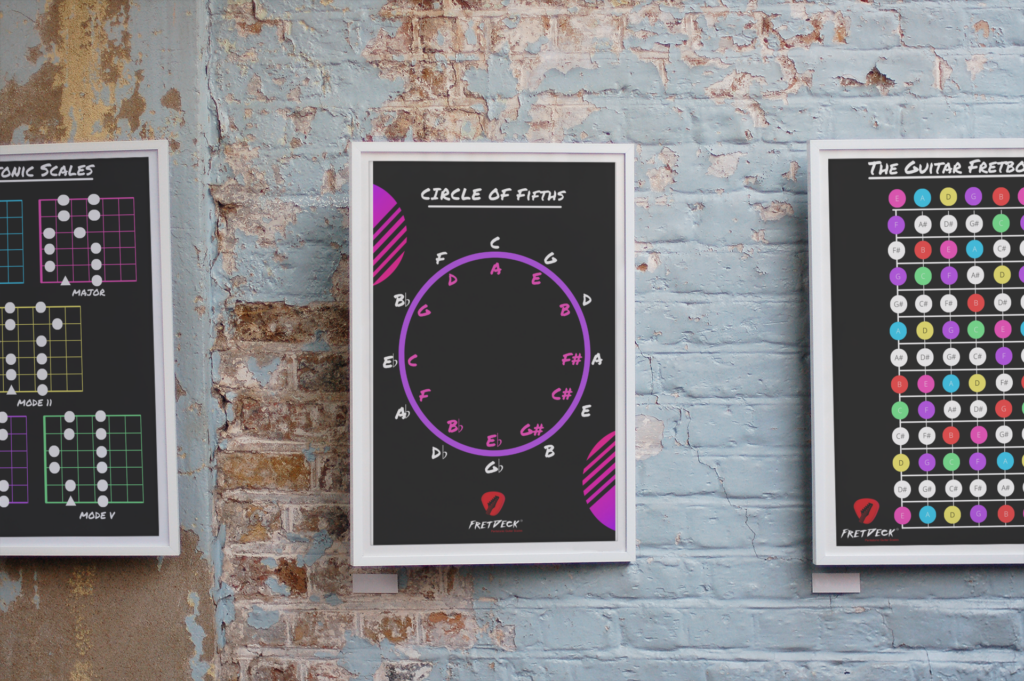
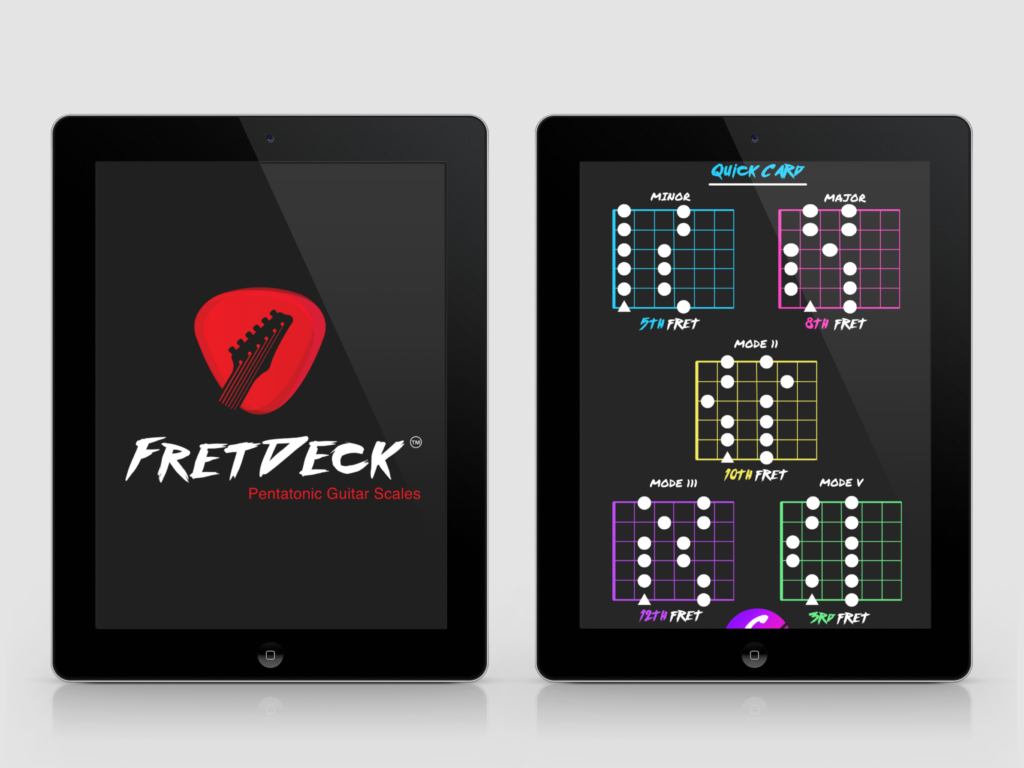
The FretDeck Practice Workstation changes that. It’s the interactive fretboard app that shows you exactly what to play, why it works, and how every note connects — so you finally understand the guitar instead of just copying tabs.
Whether you’re stuck in a rut, tired of noodling the same pentatonic box, or ready to unlock the entire neck — the FretDeck Practice Workstation gives you the visual roadmap to get there. All for just $14/month.
👉 Start Using the FretDeck Practice Workstation Now
The Shift: From Passive Follower to Active Builder
The breakthrough doesn’t come from finding a “better” app. In fact, it comes from changing your role from a student following instructions to an architect building a map. The tiny shift is this: Stop using software to tell you what to do, and start using it to visualize what you already know.
Think about it this way. A GPS can get you from Point A to Point B. But if you use it every single day for the same route, you never actually learn the streets. You just learn to listen for “Turn left in 300 feet.” Now, imagine using the GPS to look at the whole map before you leave. You see the main roads, the side streets, the landmarks. You build a mental picture. Now when you drive, you’re not just following, you’re confirming what you already know.
This is how you must approach your practice. Instead of just playing notes as they light up, you need to use the software as a tool to see the patterns, relationships, and connections across the entire neck. You’re not there to pass a level; you’re there to extract the underlying logic of the fretboard.

How to Choose the Right guitar learning software
With this new mindset, choosing the right guitar learning software becomes much clearer. You’re no longer looking for the one with the most songs or the fanciest gamification. Instead, you’re looking for the tool that best helps you build that mental map. The goal isn’t just about a best practice routine; it’s about making that routine powerfully effective.
Look for these key features:
1. Fretboard Visualization: Can the software show you an entire scale or mode across the whole fretboard at once? Does it allow you to see how chord shapes are built from those scales? This is paramount. You need a bird’s-eye view, not just a tiny window into one position.
2. Interactive Exploration: A great tool won’t just feed you exercises. It will let you click on a note and see where else it appears. It will let you select a chord and see the scale it belongs to. In other words, it must encourage curiosity and exploration.
3. Focus on Relationships: The most valuable software reveals the why. It shows you that a C major chord contains the notes C, E, and G. Furthermore, it shows you how those same three notes are the 1st, 3rd, and 5th degrees of the C major scale. This is the connective tissue that turns memorization into true understanding. As guitar publications like Guitar World often highlight, understanding theory is the fast track to creative freedom.
Avoid software that primarily relies on song tabs that scroll by or Rock Band-style note highways. While fun, they reinforce the passive follower mindset we’re trying to break. They teach you to react, not to think.
What If You Could See the Fretboard Instead of Just Memorizing It?
Most guitarists spend years guessing where to put their fingers. They memorize shapes without understanding why — and the second they try to improvise or learn a new song, they’re lost again.
The FretDeck Practice Workstation changes that. It’s the interactive fretboard app that shows you exactly what to play, why it works, and how every note connects — so you finally understand the guitar instead of just copying tabs.
Whether you’re stuck in a rut, tired of noodling the same pentatonic box, or ready to unlock the entire neck — the FretDeck Practice Workstation gives you the visual roadmap to get there. All for just $14/month.
👉 Start Using the FretDeck Practice Workstation Now
Integrating Software With Real-World Playing
A tool is only useful if it helps you perform a task. The ultimate task for a guitarist is making music. Therefore, your use of guitar learning software must always be connected to a real-world musical goal.
Don’t just practice a scale in the app. Do this instead:
1. Visualize: Use the software to see the A minor pentatonic scale all over the neck.
2. Isolate: Focus on just two strings and see how the pattern flows between them.
3. Apply: Put on a simple A minor backing track. Now, try to create a melody using only the notes you just visualized on those two strings. Don’t look at the app. Try to “see” the fretboard map in your mind’s eye.
4. Verify: If you get stuck, glance back at the software to confirm the pattern. You’re not using it for instructions; you’re using it as your reference map.
This active loop of Visualize -> Apply -> Verify is what builds permanent, usable knowledge. It transfers the information from the screen into your brain and fingers. Suddenly, you’re not just playing a scale; you’re speaking a musical language. This process is crucial whether you’re trying to learn guitar scales or master a complex chord progression guide.
5 Practical Ways to Implement the Shift Today
Ready to turn your software from a crutch into a jetpack? Here’s how you can start today.
1. Map Before You Play: Before learning a song riff, pull up the key’s scale in your visualization software. Spend two minutes just looking at the “safe” notes across the neck. Then, when you learn the riff, you’ll see it as a pathway through a map you already recognize.
2. Deconstruct Chords: Pick a chord you know, like G major. Use your software to highlight the notes G, B, and D everywhere on the fretboard. You’ll immediately discover new ways to play a G chord (inversions) that you never knew existed.
3. Practice With Intent: Instead of playing a scale exercise from beginning to end, set a specific goal. For example, “I will create a 4-note phrase that starts on the B string and ends on the G string, using only notes from the C major scale.” This forces you to think and create.
4. The “No-Software” Test: After a 15-minute session with your app, turn it off. Set a timer for 5 minutes and force yourself to improvise using only the concepts you just worked on. This is the most important step for transferring knowledge.
5. Connect It to a Song: Everything you practice should relate to a real piece of music. Learning the Mixolydian mode? Find a blues or classic rock song that uses it (many do!). Learning from legends on sites like Fender.com shows how theory is applied in timeless music. Connect the abstract concept to a concrete sound you love.
Frequently Asked Questions (FAQ)
Is it possible to learn guitar with only software?
While guitar learning software is an incredibly powerful tool for visualization and structured practice, it’s most effective when combined with real-world application. Think of it as your theory classroom and map room. However, you still need to “get out and drive” by playing along to songs, jamming with others, and trying to create your own music. The software provides the “what” and “why,” but you provide the “how” through hands-on playing.
How do I know if I’m making real progress or just “getting good at the app”?
The ultimate test is what you can do when the app is off. Can you name the notes in the chord you just played? Can you find a scale pattern in more than one place on the neck? Can you improvise a simple melody over a backing track without freezing up? If the answer is yes, you’re making real progress. If you feel lost the second the screen goes dark, it’s time to shift your approach from passive following to active building. Tools like the FretDeck Practice Workstation are designed specifically to bridge this gap.
How much time should I spend using guitar learning software per day?
Focus on quality over quantity. A focused 15-20 minute session where you actively visualize and apply a single concept is far more valuable than an hour of passively playing a note-matching game. A good rule of thumb is to split your practice time: 1/3 with visualization software to build your mental map, and 2/3 with your guitar and a backing track to apply that knowledge musically. Consistency is key.
What If You Could See the Fretboard Instead of Just Memorizing It?
Most guitarists spend years guessing where to put their fingers. They memorize shapes without understanding why — and the second they try to improvise or learn a new song, they’re lost again.
The FretDeck Practice Workstation changes that. It’s the interactive fretboard app that shows you exactly what to play, why it works, and how every note connects — so you finally understand the guitar instead of just copying tabs.
Whether you’re stuck in a rut, tired of noodling the same pentatonic box, or ready to unlock the entire neck — the FretDeck Practice Workstation gives you the visual roadmap to get there. All for just $14/month.