
Hey, blues lovers! If you’re reading this, you probably know that there’s no genre quite like the blues when it comes to guitar. Those riffs—those sticky, soulful riffs—are what make blues timeless and addictive. It doesn’t matter if you’re a seasoned player or just starting; learning blues riffs will not only get you sounding legit fast, but it’s also going to improve your playing in all the right ways. And today, we’re not just talking about blues guitar riff—we’re also building a blues practice routine that’ll help you get these riffs under your fingers and take your blues sound to the next level.
Why Blues Guitar Riff Matters
Blues riffs are the core of so many great songs. They’re simple but powerful, catchy, and the perfect vehicle to work on your technique, rhythm, and improvisation. Learning these essential riffs gives you something tangible, something you can call up in a jam or add to your own music. If you can nail down a handful of classic blues riffs, you’ll start to feel that real blues connection.
Let’s start with 10 essential blues guitar riffs that I think every player should know, then I’ll walk you through a practice routine that builds on them. Sound good? Let’s dive in.

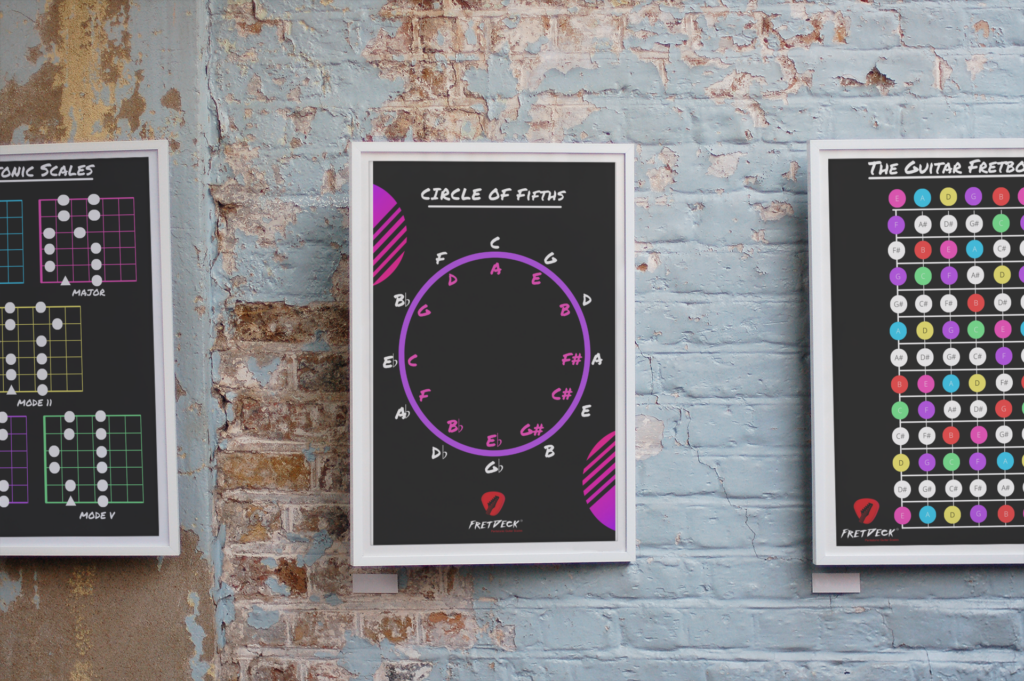
Download The FretDeck & Pentatonic Secrets Course!
Download Our Course
10 Essential Blues Guitar Riff You Need to Learn
Here’s a rundown of some famous blues guitar riffs. Try them out and pay attention to what makes each one unique.
1. Muddy Waters – “Mannish Boy”
- Key: A
- This riff is classic, primal blues. It’s all about rhythm and attitude. Use heavy downstrokes to really punch it, and let each note ring with a bit of grit.
2. Howlin’ Wolf – “Smokestack Lightnin’”
- Key: E
- This one’s a hypnotic, riff that’s all about feel. Add a little vibrato and keep it laid-back to nail the vibe.
3. B.B. King – “The Thrill Is Gone”
- Key: B minor
- Here’s where you learn about touch. This riff doesn’t need many notes to grab attention. It’s all about bending and phrasing.
4. Albert King – “Born Under a Bad Sign”
- Key: C
- Syncopated and groovy, this riff uses the minor pentatonic scale with some box patterns. Great for getting into blues timing and phrasing.
5. Elmore James – “Dust My Broom”
- Key: Open D
- Slide players, this is for you. It’s simple but timeless. Try using an open tuning and experiment with the slide to bring out its raw power.
6. John Lee Hooker – “Boom Boom”
- Key: E
- This is a boogie-style riff with a driving rhythm, perfect for working on your timing and building a groove.
7. Stevie Ray Vaughan – “Pride and Joy”
- Key: E
- It’s got Texas blues all over it. This riff is a thumb workout and a great way to work on muted strums mixed with bass notes.
8. Eric Clapton – “Crossroads”
- Key: A
- Clapton’s version is fast, punchy, and driven by rhythm. It’s a workout for both your fretting and picking hands.
9. Freddie King – “Hideaway”
- Key: E
- With its walking bass line and playful melody, this riff works on your melody-building and right-hand coordination.
10. T-Bone Walker – “Stormy Monday”
- Key: G
- This one’s slow and smooth. Practice this to work on phrasing, bending, and vibrato.
Building a Blues Practice Routine With Blues Guitar Riff
Alright, so you’ve got some blues guitar riff under your fingers. Now, let’s talk about building a blues practice routine to lock in these riffs and build your overall blues chops. This is a routine you can do daily, and it’s simple enough to adjust as you improve.
Download The FretDeck & Pentatonic Secrets Course!
Download Our Course
1. Warm-Up with Scales and Arpeggios (10-15 minutes)
- Start with the minor pentatonic scale in the key of E and A—those are great blues keys. Run through the boxes, making sure each note is clean.
- Add some arpeggios, especially the dominant seventh. This will help your finger strength and coordination and get you familiar with notes you can pull into riffs or solos.
2. Blues Guitar Riff Practice (15-20 minutes)
- Choose 2-3 riffs from the list above, focusing on accuracy and feel. You don’t have to rush—try to make each note sing. Slow it down if you need to, and pay attention to the little details like slides, bends, and vibrato.
- Try playing each riff with a metronome or a drum loop. This will keep you in time and give you that locked-in groove feel.
3. Improvise with Blues Guitar Riff (10 minutes)
- Take the riffs you practiced and start weaving them into a jam. Play a 12-bar blues in E or A, and insert the riffs as you go. It’s a great way to make them feel natural in a real playing context.
4. Listen to the Greats (5-10 minutes)
- Put on a track from Muddy, B.B., or Stevie Ray and listen actively. Pay attention to where they use riffs and how they make each phrase count. Listening is a big part of learning to play with feel.
5. Record Yourself (5 minutes)
- Set up your phone and record yourself playing a few blues guitar riff or improvising over a 12-bar blues. This might feel weird at first, but it’s one of the best ways to hear what’s working and what could use a little more practice.
6. Wrap-Up: Reflect and Review
- After each session, take a couple of minutes to note what you did well and what needs more work. This simple reflection can keep you on track and motivated.
Final Thoughts: Make It Your Own
Blues is all about feel and expression. As you practice these riffs, think about what you want to say with them. Don’t be afraid to mess around—change up the timing, add extra bends, whatever feels right. Every blues great made these riffs their own, and you can do the same.

Join the Guitar Freaks Hangout on Discord!
Want to dive even deeper into blues guitar? Join the Guitar Freaks Hangout on Discord, where players share riffs, give feedback, and support each other in their guitar journeys. It’s a laid-back community where you can pick up new ideas and swap stories with other blues fans. Whether you’re after tips on tone or feedback on your playing, it’s a space where everyone’s welcome.
Keep that blues fire burning, and remember—if it sounds good, it is good.
Download The FretDeck & Pentatonic Secrets Course!
Download Our Course
Related posts: