
If you’ve ever listened to B.B. King bend a note and make an entire stadium feel something, or watched Stevie Ray Vaughan rip through a solo like his guitar was on fire, you’ve probably asked yourself:
“How do I get that sound?”
Well, my friend, the answer lies in blues scales on guitar.
But here’s the problem—most guitarists learn a scale pattern and think they’ve mastered the blues. Wrong. The magic isn’t just in knowing the notes. It’s in how you play them, how you phrase them, and how you inject soul into every single one.
I’ve spent years teaching students who struggle with the same thing: they know the scales, but they don’t sound like “real” blues players. The difference between a scale exercise and a soul-stirring solo comes down to a few key things, and today, I’m going to teach you exactly how to make your blues scales come alive.
By the time you finish reading, you’ll not only understand which scales to use, but also how to bend, slide, and phrase your way to pro-level blues playing.
Oh, and I’ll also let you in on a little secret weapon—FretDeck—that’ll make learning blues scales way easier and more fun. Plus, I’ll tell you how to join our exclusive guitar Discord where you can jam, get feedback, and finally break through that plateau.
Ready? Let’s go. 🎸🔥

The Essential Blues Scales on Guitar
There are two scales every blues guitarist must know:
1. The Minor Pentatonic Scale (Your Blues Foundation)
This is the backbone of blues soloing. If you only learn one scale, make it this one. Here’s the classic A minor pentatonic scale at the 5th fret:
e|----------------5----8----|
B|------------5----8-------|
G|--------5----7----------|
D|--------5----7----------|
A|--------5----7----------|
E|----------------5----8--|
Why this scale works:
- It’s simple but powerful.
- It sounds good everywhere over a 12-bar blues.
- It’s the foundation of legendary blues solos.
2. The Blues Scale (Pentatonic with Extra Spice)
Take that minor pentatonic and add one note—the blues note (♭5)—and suddenly, you’ve got a killer blues scale:
e|----------------5----8----|
B|------------5----8-------|
G|--------5-7--8----------|
D|--------5-6--7----------|
A|--------5----7----------|
E|----------------5----8--|
That little extra note (the D♯/E♭ in the A blues scale) gives your solos tension, grit, and attitude.
Why Most Guitarists Struggle with Blues Scales
I had a student, Chris, who spent months memorizing blues scales but still sounded stiff. He’d play the right notes, but his solos felt…flat.
I showed him a trick: stop thinking of scales as “dots on the fretboard” and start using them like a singer uses their voice.
Instead of just playing notes, he started:
✔ Sliding into them
✔ Bending them
✔ Adding vibrato
✔ Using call-and-response phrasing
One week later, he came to his lesson sounding like a completely different guitarist.
Download The FretDeck & Pentatonic Secrets Course!
Download Our Course
How to Make Blues Scales Sound Authentic
1. Master Bends and Vibrato
You ever notice how B.B. King barely played fast, but every note hit like an emotional gut punch? That’s because he was a master of bends and vibrato.
- Bend to the note, don’t just play it. Instead of just hitting a C, try bending a B up to a C.
- Vibrato adds emotion. Instead of a plain note, shake it like you mean it!
2. Target the Chord Tones
Blues isn’t about playing scales up and down—it’s about hitting the right notes at the right time. The best way to do that? Land on the chord tones of the underlying blues progression.
For example, over an A7 chord, hit:
- The A (root)
- The C# (major 3rd, adds color)
- The E (5th, keeps things grounded)
3. Steal from the Greats (Then Make It Your Own)
Want to get better at soloing fast? Start by learning solos note-for-note from legends like:
🎸 Eric Clapton (“Crossroads”)
🎸 Stevie Ray Vaughan (“Texas Flood”)
🎸 Albert King (“Born Under a Bad Sign”)
Then, once you’ve got them down, change them slightly. Speed them up, slow them down, or combine licks from different players. That’s how you develop your own voice.
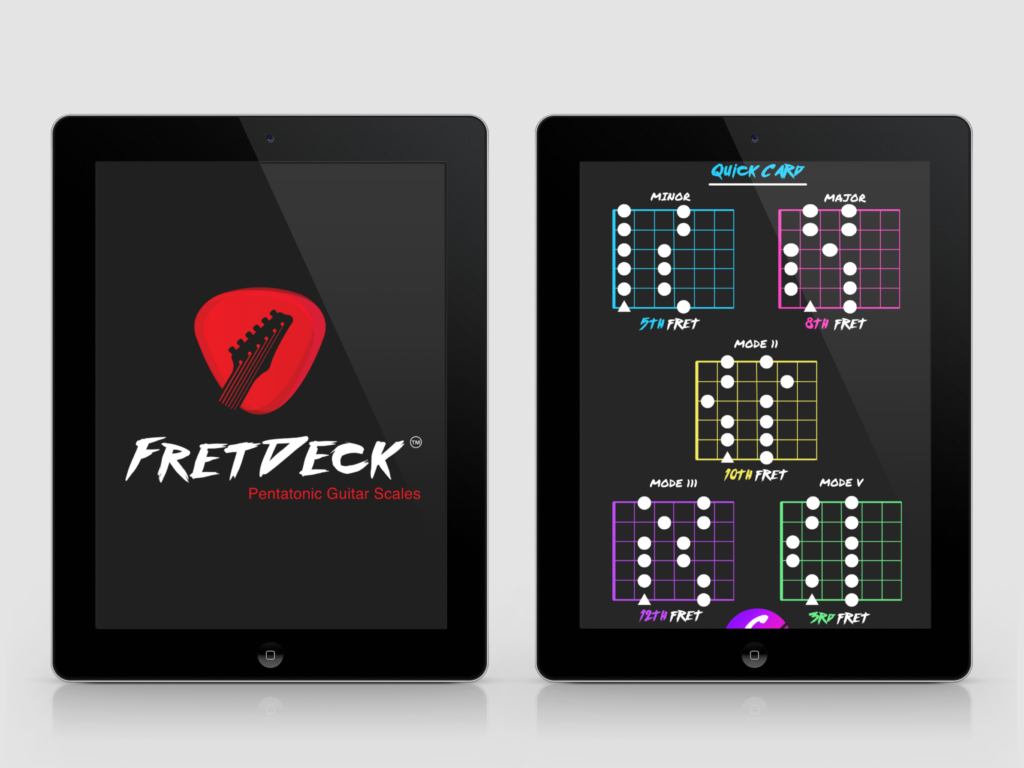
Accelerate Your Blues Learning with FretDeck
Here’s the truth: learning blues scales is only the first step. The real challenge is using them creatively. That’s where FretDeck comes in.
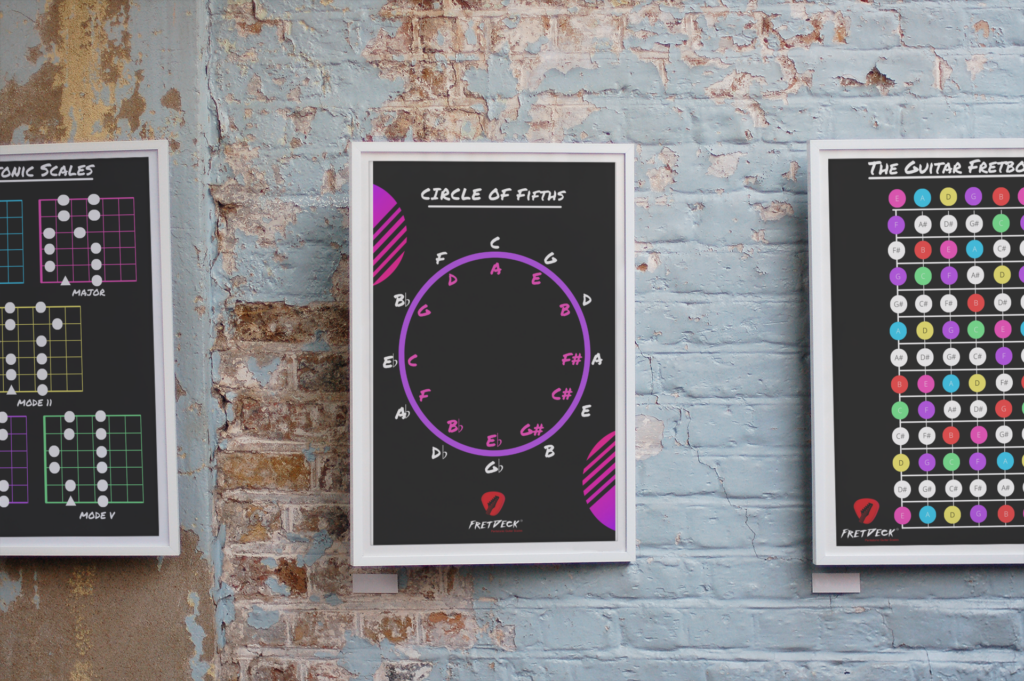
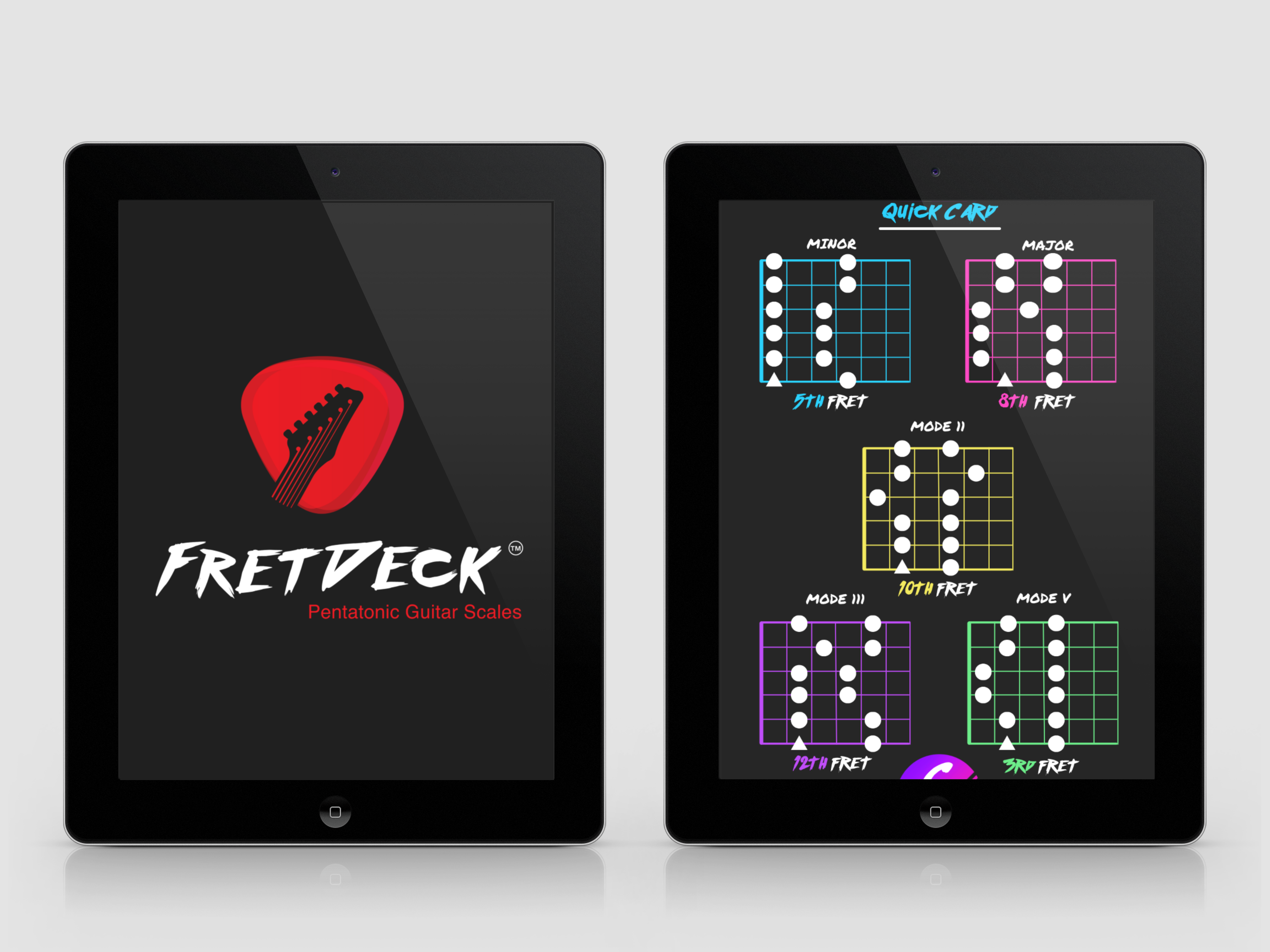
FretDeck is a deck of guitar learning cards designed to help you master scales, licks, and soloing concepts—without boring theory books.
✔ Memorize scales faster
✔ Practice licks in different keys
✔ Get instant inspiration for your solos
👉 Grab your FretDeck here:
Download The FretDeck & Pentatonic Secrets Course!
Download Our Course
Join Our Guitar Discord – Learn, Jam & Get Feedback
Guitar is a journey, and the best way to improve is by playing with others, sharing ideas, and getting feedback. That’s exactly why I created our Guitar Freaks Discord.
✅ Post your solos & get feedback
✅ Jam over backing tracks
✅ Hang with other blues-loving guitarists
👉 Join our Discord here:
Join Guitar Freaks Hangout on Discord! 🎸
Get Fret Logic FREE!
Join the Guitar Freaks Hangout Discord and get exclusive access to my entire e-book, Fret Logic! Master the fretboard and elevate your solos with this comprehensive guide.
👉 Don’t miss out—join now and download your free copy!
Final Thoughts: Your Blues Breakthrough Starts Now
If you’re serious about mastering blues scales on guitar, here’s your action plan:
1️⃣ Memorize the minor pentatonic & blues scales
2️⃣ Start phrasing like a singer (bends, slides, vibrato)
3️⃣ Use chord tones to target the right notes
4️⃣ Learn from the legends & make it your own
5️⃣ Supercharge your learning with FretDeck
6️⃣ Join our Discord & start jamming today
Now go pick up your guitar and make some blues magic happen! 🎸🔥
For a deeper dive into mastering blues scales, explore our detailed article on How to Play Blues Scales on Guitar: Master the Fretboard with Ease. This resource offers step-by-step guidance, practical exercises, and insights to enhance your blues improvisation skills.
Related posts: