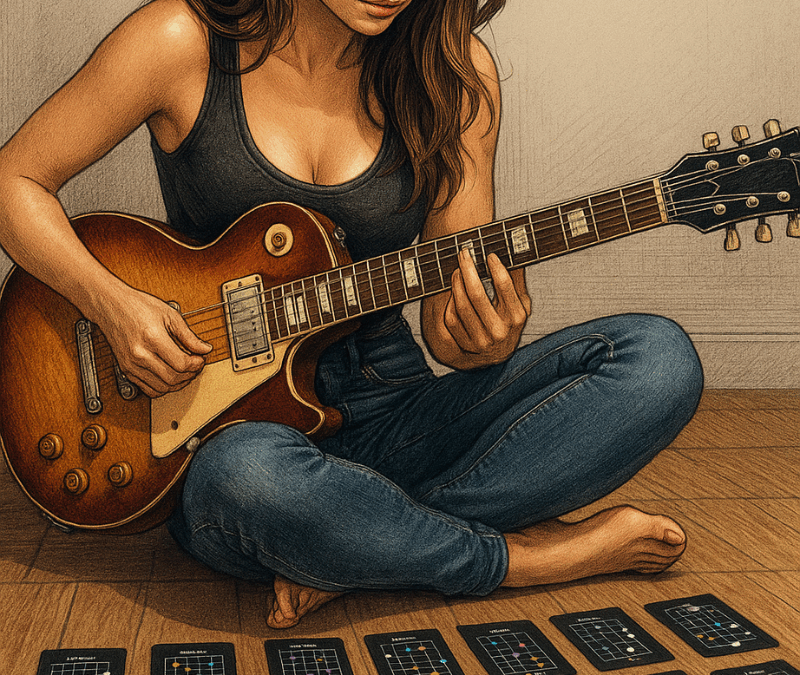
🎯 Introduction: Why Guitar Modes and Scales Matter

If you want to break free from boring solos and predictable licks, mastering guitar modes and scales is the next big leap in your musical journey.
Scales give you a structure. Modes give you expression.
When I finally learned how to see the fretboard through the lens of modes, everything changed. My solos became more musical, my improvisation more dynamic—and my practice routine more intentional.
In this guide, I’ll help you understand the most useful guitar modes and scales, how they work together, and how to internalize them with visual tools like FretDeck™ and the support of our Guitar Freaks Discord.

❌ Stop Guessing. Start Shredding.
If you’re still fumbling through scale patterns and box shapes… it’s costing you progress.
FretDeck™ is the no-fluff system that shows you exactly how to master the fretboard—fast. Early access.
⚡️ This isn’t for dabblers. It’s for players who want results.
👉 Click here to join the pre-launch now
Early access. Limited rewards. Don’t wait.
🎸 What Are Guitar Modes and Scales?
Scales are the building blocks of melody.
Modes are the flavors hidden within those scales.
Every mode comes from the major scale. Each starts on a different degree of that scale, creating a new mood and context.
For example, the C major scale (C–D–E–F–G–A–B–C) becomes:

- D Dorian when you start on D
- E Phrygian when you start on E
- F Lydian when you start on F, and so on…
These are called modes, and each one changes the emotional impact of your solo or composition.
📚 Want a deeper look at how notes connect on the fretboard?
👉 Read our blog on Notes on Guitar
🔑 The 7 Modes Explained
| Mode | Type | Formula | Sound |
|---|---|---|---|
| Ionian | Major | 1–2–3–4–5–6–7 | Bright, stable |
| Dorian | Minor | 1–2–♭3–4–5–6–♭7 | Minor with a lift |
| Phrygian | Minor | 1–♭2–♭3–4–5–♭6–♭7 | Dark, exotic |
| Lydian | Major | 1–2–3–♯4–5–6–7 | Airy, dreamy |
| Mixolydian | Major | 1–2–3–4–5–6–♭7 | Bluesy, funky |
| Aeolian | Minor | 1–2–♭3–4–5–♭6–♭7 | Classic minor |
| Locrian | Dimin. | 1–♭2–♭3–4–♭5–♭6–♭7 | Tense, unstable |
Alt text: Guitar modes and scales chart showing each mode’s formula and feel
🧠 How Guitar Modes and Scales Unlock Creative Soloing
When you understand guitar modes and scales, you stop randomly guessing which notes to play—and start crafting solos that fit the harmony underneath.
🎸 Example:
If you’re playing over an Am7 chord, try using A Dorian instead of A minor pentatonic. The 6th degree (F#) adds a jazzy, uplifting sound that the natural minor scale doesn’t have.
🎧 Try This: Use a looper pedal to play a vamp (Am7 – D7), then solo with A Dorian.
🎯 Using Guitar Modes and Scales with FretDeck™
Most guitarists get stuck thinking in scale boxes—but music happens between the boxes.
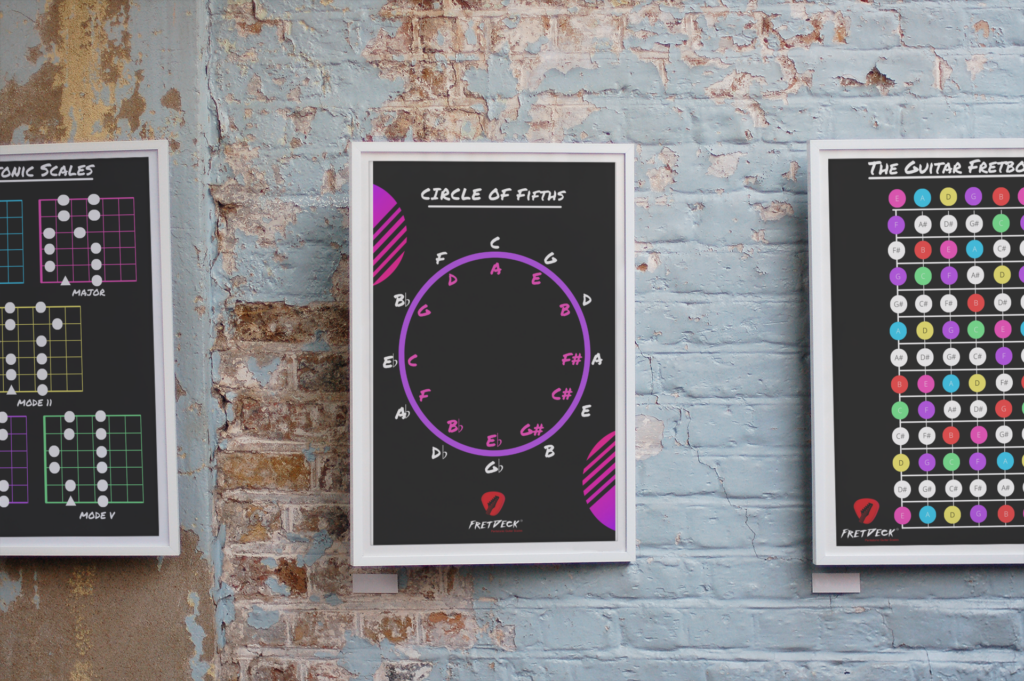
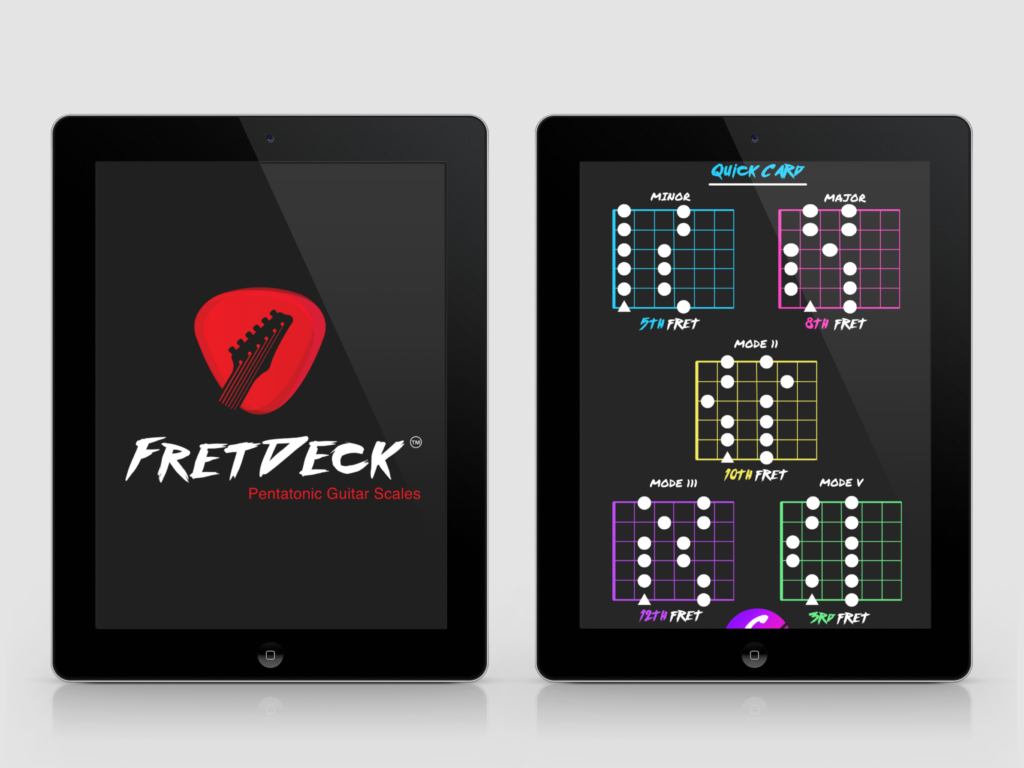
That’s why we created FretDeck™—to help you visualize every mode, across the entire fretboard, in every key.
With FretDeck, you’ll learn:
- 60 pentatonic scales
- Visual root positions
- Modal prompts and interval maps
- How to connect shapes musically
🎁 Bonus: You also get our Pentatonic Secrets Course and exclusive access to the Guitar Freaks Discord when you back FretDeck.
🎵 How to Hear and Feel Each Mode
Use a drone note or loop pedal to explore the mood of each mode:
| Mode | Play Over This Chord | Vibe |
|---|---|---|
| Dorian | Minor 7th (e.g., Dm7) | Soulful, funky |
| Phrygian | Minor (e.g., Em) | Dark, exotic |
| Mixolydian | Dominant 7 (e.g., G7) | Bluesy, playful |
| Lydian | Maj7 (e.g., Fmaj7) | Dreamy, floating |
🎯 Practice Routine: Modes Made Musical
Here’s how to incorporate guitar modes and scales into your daily practice:
Day 1–2:
Choose one mode (e.g., Dorian).
Play it up and down the neck in one position.
Say the intervals aloud.
Day 3–4:
Improvise with that mode over a backing track or looper.
Listen to how it interacts with chords.
Day 5:
Write a short solo or melody using only that mode.
🎧 Share your progress with our community in the Guitar Freaks Discord
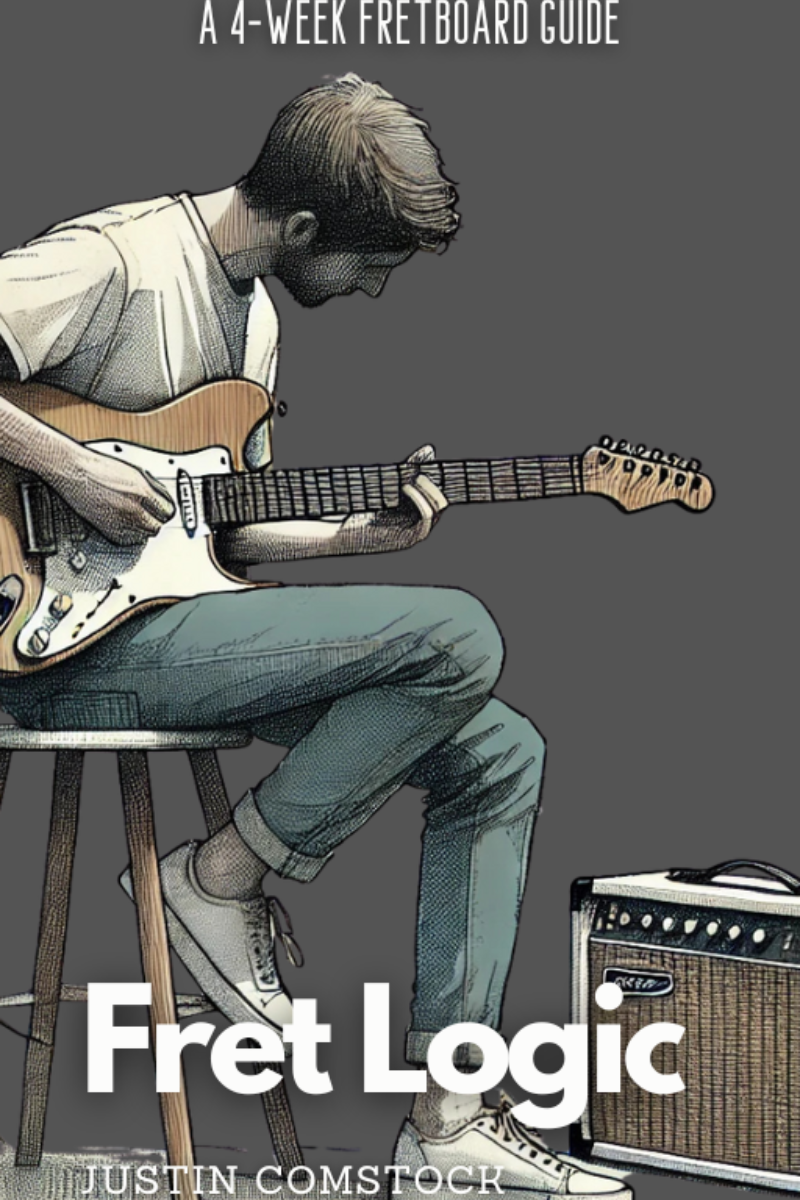
Join Guitar Freaks Hangout on Discord! 🎸
Get Fret Logic FREE!
Join the Guitar Freaks Hangout Discord and get exclusive access to my entire e-book, Fret Logic! Master the fretboard and elevate your solos with this comprehensive guide.
👉 Don’t miss out—join now and download your free copy!
🧩 Modal Phrasing Tips
- 🎯 Target chord tones. Hit the root, 3rd, and 7th of the underlying chord.
- 🎯 Use repetition and variation. Repeating a phrase, then twisting it, gives structure.
- 🎯 Breathe. Don’t fill every second. Let your phrases breathe like a singer would.
💬 Pro Guitarists Who Mastered Guitar Modes and Scales
- Carlos Santana: Famous for Dorian & Phrygian.
- Joe Satriani: Lydian master.
- John Frusciante: Mixes minor and Dorian with soul.
- Jerry Garcia: Switched modes mid-solo like conversation threads.
🧠 Internalize, Don’t Memorize
The goal isn’t just to “know” modes—it’s to hear them, feel them, and use them creatively.
That’s why we believe in systems like FretDeck and community spaces like Guitar Freaks Discord, where you can:
- Share your phrasing
- Join soloing challenges
- Watch breakdowns of real solos using modes
- Get accountability from other guitarists
📣 Final Thoughts: Own the Neck with Guitar Modes and Scales
If you’re still soloing in the same old pentatonic box, it’s time to break out.
🎯 Modes give you flavor.
🎯 Scales give you structure.
🎯 Together, they give you freedom.
So stop memorizing patterns—and start learning how to express yourself.
🔗 External Link
👉 Learn the Modes with Rick Beato’s Explainer (YouTube)
✅ Call to Action
🎸 Ready to visualize and master guitar modes and scales?
👉 Back FretDeck on Kickstarter
💬 Want to jam and learn with others?
👉 Join the Guitar Freaks Discord and get your free Fret Logic eBook
“Scales are how we speak. Modes are how we say something new.”
— Adam Levy (probably, in spirit)
When I first started learning guitar modes and scales, I treated them like a checklist.
Major scale? ✅
Pentatonic? ✅
Dorian? Mixolydian? Phrygian? ✅ ✅ ❌
It wasn’t musical—it was mechanical.
But over time, I learned that scales and modes aren’t just tools for soloing or improvising. They’re landscapes. And when you understand how to navigate them, you stop sounding like you’re practicing and start sounding like you’re playing.
This post is a deep dive into guitar modes and scales—not just what they are, but how to use them, how to feel them, and how to build your own map of the fretboard. Along the way, I’ll show you how FretDeck™ and the Guitar Freaks Discord can help you master this language and find your own voice on the instrument.
🎯 Why Modes Matter (Even If You Don’t Think You’re “Into Theory”)
Scales are the alphabet.
Modes are the dialects.
Every mode is a variation of the major scale—with its own mood, personality, and harmonic gravity.
If you’ve ever thought:
- “All my solos sound the same”
- “I want to sound more melodic”
- “I wish I understood what Santana or Metheny are doing…”
Then modes are your missing ingredient.
But don’t worry—we’re not just going to list names and patterns. You’ll learn how to use them, hear them, and see them on the fretboard.
🔑 The 7 Guitar Modes (in Plain English)
All modes come from the major scale. They’re just different starting points of that same sequence of notes.
Here’s the list, using C major as an example (C – D – E – F – G – A – B – C):
| Mode | Notes | Mood / Flavor |
|---|---|---|
| Ionian | C D E F G A B (C) | Bright, happy (Major) |
| Dorian | D E F G A B C (D) | Funky, jazzy minor |
| Phrygian | E F G A B C D (E) | Dark, exotic minor |
| Lydian | F G A B C D E (F) | Dreamy, floaty major |
| Mixolydian | G A B C D E F (G) | Bluesy major |
| Aeolian | A B C D E F G (A) | Natural minor |
| Locrian | B C D E F G A (B) | Tense, unstable (rare) |
🎧 Try this: Play a drone note (like a C bass note) and improvise each mode over it. Feel how the mood changes—even though you’re using the same 7 notes.
🎸 Let’s Talk About Guitar Scales
Before we get deeper into modes, let’s define the three most common guitar scales that feed our modal vocabulary:
1. Major Scale
Pattern: W – W – H – W – W – W – H
Mood: Uplifting, strong, melodic
Use: Pop, country, jazz, fusion
Shape: Think “Do-Re-Mi”—your melodic foundation.
2. Minor Scale (Aeolian Mode)
Pattern: W – H – W – W – H – W – W
Mood: Emotional, sad, expressive
Use: Rock, blues, classical
This is your go-to for expressive lead work.
3. Pentatonic Scale
5-note scale that removes “tension notes”
Mood: Simple, flexible, soulful
Use: Blues, rock, funk, soul
Why it matters: It’s easier to feel than overthink. Ideal for expressive phrasing.
🔍 How Modes and Scales Work Together
Here’s the magic trick:
- Every mode is a scale.
- Not every scale is a mode.
Modes are derivatives of the major scale. But when you play them over certain chords, they behave like their own independent worlds.
🎯 Example:
Play D Dorian over a Dm7 chord. You’ll notice the major 6 (B) gives it a funky, jazzy vibe—not quite minor, not quite major.
You’re not just running a scale—you’re painting a feeling.
🎼 Fretboard Visualization: The Missing Link
Most guitarists get stuck in box shapes.
They learn five pentatonic positions, maybe some 3-notes-per-string patterns… and then they hit a wall.
What’s missing?
A visual map of the guitar modes and scales across the entire neck.
That’s where FretDeck™ comes in.
FretDeck gives you:
- All 60 pentatonic scales (major + minor + 5 modes)
- Color-coded root note positions
- Modal prompts for improvisation
- Practice routines to link shapes to sound
You’re not just memorizing shapes. You’re learning to see the neck like a musician.
🧠 How to Hear Each Mode (Not Just Memorize It)
Let’s bring this to life. Pick one key—say, C—and build context with a drone or looper pedal.
Play each mode in that key over a C drone:
- C Ionian: Majestic and resolved
- D Dorian: A little jazzy, minor but uplifting
- E Phrygian: Ominous, Spanish
- F Lydian: Dreamy, unresolved
- G Mixolydian: Southern rock/blues vibe
- A Aeolian: Classic minor mood
- B Locrian: Tense, unstable, cool but tricky
🧪 Practice Prompt:
Pick one mode per week. Improvise with it over a drone. Then write one melodic phrase that captures its feeling.
💬 Share it in the Guitar Freaks Discord and get feedback from players on the same journey.
🧩 Modal Soloing: Chord by Chord
To really use modes in solos, think about the chords underneath you.
Example in A Dorian:
A – B – C – D – E – F# – G – A
Chords:
Am7 – D7 – Gmaj7
Soloing in A Dorian means you’re focusing on:
- The minor 3rd (C) to express the minor feel
- The major 6th (F#) to give it that lifted Dorian color
🎯 Every mode becomes powerful when connected to harmony.
🎸 Pro Application: Mixing Modes in One Solo
Great guitarists don’t stick to one scale.
They switch between:
- Minor pentatonic (for grit)
- Dorian (for funk)
- Mixolydian (for sweetness)
- Blues scale (for edge)
💡 That’s what separates a noodler from a storyteller.
🔥 Top Guitarists Who Use Modes and Scales Musically
🎵 Carlos Santana – Known for Dorian and Phrygian modes. Listen to “Oye Como Va.”
🎵 John Scofield – Shifts between Mixolydian and blues scales mid-phrase.
🎵 Eric Johnson – Combines major scales, Lydian, and pentatonics in elegant runs.
🎵 Jerry Garcia – Modal improviser who floats between Mixolydian and major pentatonic effortlessly.
🎁 Bonus: Modal Shapes You Should Know
While FretDeck covers all 60 shapes, here are 3 must-know modal patterns to internalize:
1. Dorian Shape (Root on A String):
e|---------------------------
B|-------------------5--6--
G|-------------5--7--------
D|--------5--7-------------
A|--5--7--------------------
E|--------------------------
2. Phrygian Shape (Root on E String):
e|--------------------------
B|-----------------6--8-----
G|-----------5--7----------
D|------5--7----------------
A|--6--7--------------------
E|--------------------------
3. Mixolydian Shape (Root on E String):
e|--------------------------
B|-----------------6--8-----
G|-----------5--7----------
D|------5--7----------------
A|--5--7--------------------
E|--5-----------------------
🎯 Call to Action: Stop Memorizing. Start Creating.
Learning guitar modes and scales isn’t about stuffing your brain with theory.
It’s about unlocking a deeper understanding of how music works—so your solos sing, your phrasing flows, and your ideas land.
Here’s your roadmap forward:
✅ Back FretDeck on Kickstarter
→ Get visual access to all 60 pentatonic patterns.
→ Learn the modal system with real-world prompts.
→ Bonus: Includes Pentatonic Secrets Course + Soloing Guides.
✅ Join Guitar Freaks Discord
→ Share your progress.
→ Jam with other modal explorers.
→ Get the Fret Logic eBook FREE when you join.
🧠 Recap: 5 Ways to Master Guitar Modes and Scales
- Understand Each Mode’s Function – Don’t just memorize; contextualize.
- Use Drones & Backing Tracks – Train your ears, not just your fingers.
- Visualize Across the Neck – Tools like FretDeck bring the fretboard to life.
- Create, Don’t Regurgitate – Improvise real phrases weekly.
- Build Community – Join a space like the Guitar Freaks Discord to learn with others.
📚 Internal Link
Want to turn these modes into expressive solos?
👉 Read: How to Solo on Guitar
🔗 External Link (for more exploration)
Looking to hear modes in context? Check out:
🎧 Rick Beato’s Modes Explained (YouTube)
✨ Final Word
You don’t need to learn 10,000 licks to become a great guitarist.
You need to learn how your guitar thinks—and how music feels.
Modes and scales aren’t theory trivia. They’re your musical accent. Your emotional compass.
So take it slow. Learn one mode a week. Let it sink in.
And when you’re ready, take the fretboard by storm—with FretDeck in one hand and your sound in the other.
🎸 Guitar Modes and Scales aren’t the end goal.
They’re the doorway to finding your voice.
Related posts: