
Robben Ford’s “Help the Poor”, from his iconic 1988 album Talk to Your Daughter, is a shining example of blues-meets-jazz guitar brilliance. The song isn’t just a blues number—it’s a masterclass in phrasing, tone, and musical storytelling. Whether you’re a Robben Ford fan, a blues enthusiast, or a guitarist searching for inspiration, “Help the Poor” is packed with lessons that will elevate your playing.
In this blog, we’ll dissect the gear Ford used to craft his signature tone, explore the musical nuances of the track, and show you how to capture some of that magic for yourself.
The Song: A Sophisticated Take on the Blues
“Help the Poor” may follow a classic slow blues structure, but Robben Ford’s approach to it is anything but standard. The track’s jazzy sophistication shines through in its harmony, phrasing, and dynamics, blending blues grit with the smooth polish of jazz.
Download The FretDeck & Pentatonic Secrets Course!
Download Our Course
The Chord Progression
The song is in G minor, but it goes beyond the typical I-IV-V blues format. Ford’s choice of chord voicings and substitutions adds depth to the progression, creating tension and release that keeps the listener engaged.
For example, over the verses, you’ll notice Ford leans into jazzier extensions, like minor 9ths and dominant 13ths, to give the song a richer harmonic palette.
The Solos
Ford’s solos in “Help the Poor” feel like a conversation. His phrasing is lyrical, almost vocal, as if the guitar is speaking directly to the listener. He avoids flashy, over-the-top playing, instead letting his phrasing breathe.
His improvisation masterfully blends:

- Minor pentatonic scales for a traditional blues feel.
- Dorian and Mixolydian modes for jazz-influenced color.
- Chromatic passing tones to add tension and smooth transitions.
The result? A solo that’s as emotionally impactful as it is technically brilliant.
The Gear That Defined the Tone
Robben Ford’s tone on Talk to Your Daughter is legendary—warm, dynamic, and perfectly balanced between clean and overdriven. Let’s break down the tools he likely used to achieve it.
1. The Guitar
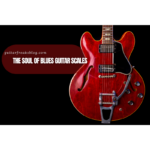
For much of his career, Robben Ford has been associated with semi-hollow and hollow-body guitars. On “Help the Poor,” it’s likely he used a Gibson ES-335 or his custom-built Dumble guitar.
- Why the ES-335? The semi-hollow design offers the perfect blend of warmth and resonance, while the humbuckers deliver smooth sustain and clarity.
- Tone Tweaks: Ford often rolls back his guitar’s tone knob slightly to reduce harshness and give his lead lines a more vocal quality.
If you want to capture a similar vibe, check out Equipboard’s compilation of Robben Ford’s gear, which details the guitars he uses, including the ES-335.
2. The Amp
Ford’s amp of choice for this era was the fabled Dumble Overdrive Special. Known for its creamy overdrive and incredible touch sensitivity, the Dumble was instrumental in shaping Ford’s dynamic tone.
Here’s how it worked:
- Clean tone: Warm and sparkly with a hint of compression.
- Overdrive: Smooth, sustain-rich distortion that reacts to the nuances of your picking and volume control.
Since Dumble amps are rare (and cost as much as a house), here are some great alternatives:
- Two-Rock Studio Signature: Designed to emulate Dumble’s dynamic response.
- Fender Deluxe Reverb: Pair it with a good overdrive pedal for an affordable yet versatile setup.
For more insight into Ford’s amp setup, check out the Premier Guitar Rig Rundown with Robben Ford.
Download The FretDeck & Pentatonic Secrets Course!
Download Our Course
3. The Pedals
While much of Ford’s tone comes from his amp and fingers, pedals play an essential supporting role. For “Help the Poor,” these would have been key:
- Clean Boost (e.g., Klon Centaur or Wampler Tumnus): Adds a transparent boost with subtle midrange warmth.
- Overdrive (e.g., Ibanez Tube Screamer): Provides smooth, singing overdrive without overpowering the amp’s natural tone.
- Reverb & Delay: A touch of reverb adds depth and space to Ford’s sound.
Want to dig deeper into pedals that complement Ford’s tone? Visit Equipboard’s gear page for Robben Ford.
How to Play “Help the Poor” Like Robben Ford
Want to channel Robben Ford’s style in your own playing? Here are some essential techniques to master.
1. Dynamic Control
Ford’s playing is defined by his use of dynamics—how he transitions from soft, delicate lines to bold, aggressive phrases.
- Practice picking with varying intensity.
- Use your guitar’s volume knob to clean up or drive your tone.
Learn more about dynamic control in JustinGuitar’s detailed lesson on “Help the Poor”.
2. Phrasing That Breathes
Ford’s phrasing is conversational. He often leaves space between his licks, allowing the music to breathe.
- Experiment with shorter phrases and longer rests.
- Try to think of your solos as vocal melodies—hum or sing them before playing.
3. Blues Meets Jazz
Ford’s ability to blend traditional blues with jazz makes his playing unique. For “Help the Poor,” focus on:
- Minor Pentatonic Scale (Gm Pentatonic): Your blues foundation.
- Dorian Mode (G Dorian): Add a jazzy 6th (E) and 9th (A) for melodic color.
- Chromatic Runs: Use passing tones to add tension and smooth transitions.
Looking to improve your theory? Check out Premier Guitar’s Jazz-Infused Techniques.
Why “Help the Poor” is a Guitarist’s Dream
Robben Ford Help the Poor isn’t just a song—it’s a blueprint for tasteful, dynamic blues guitar playing. Robben Ford demonstrates how to fuse technical sophistication with emotional depth, all while maintaining a tone that guitarists dream about.
Whether you’re practicing phrasing, exploring new modes, or building your rig, this track is an endless source of inspiration.
Take Your Playing Further
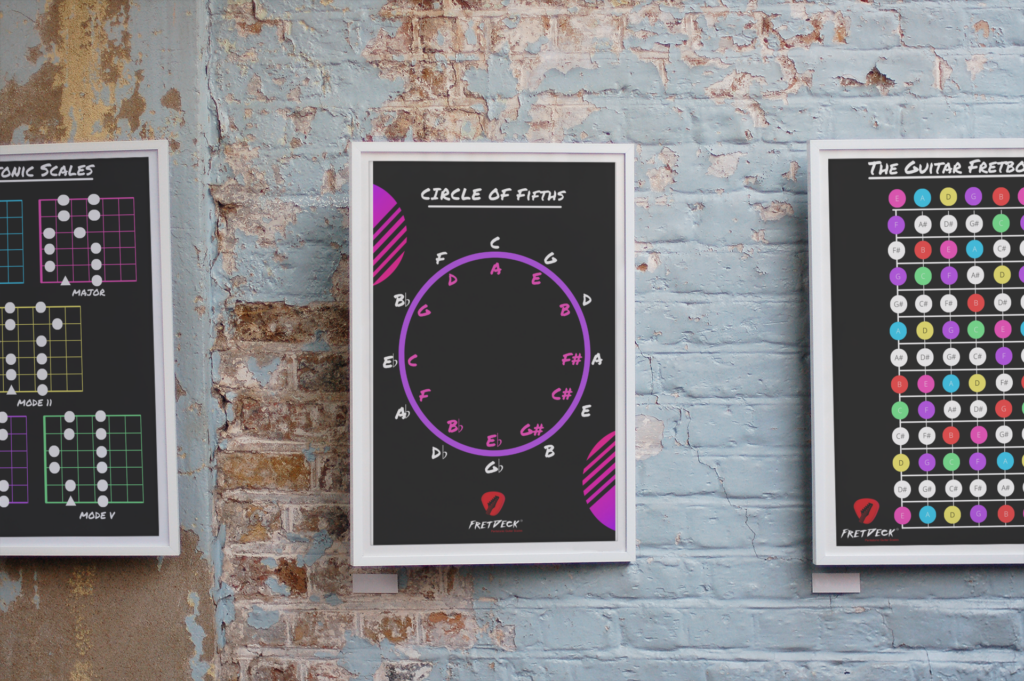
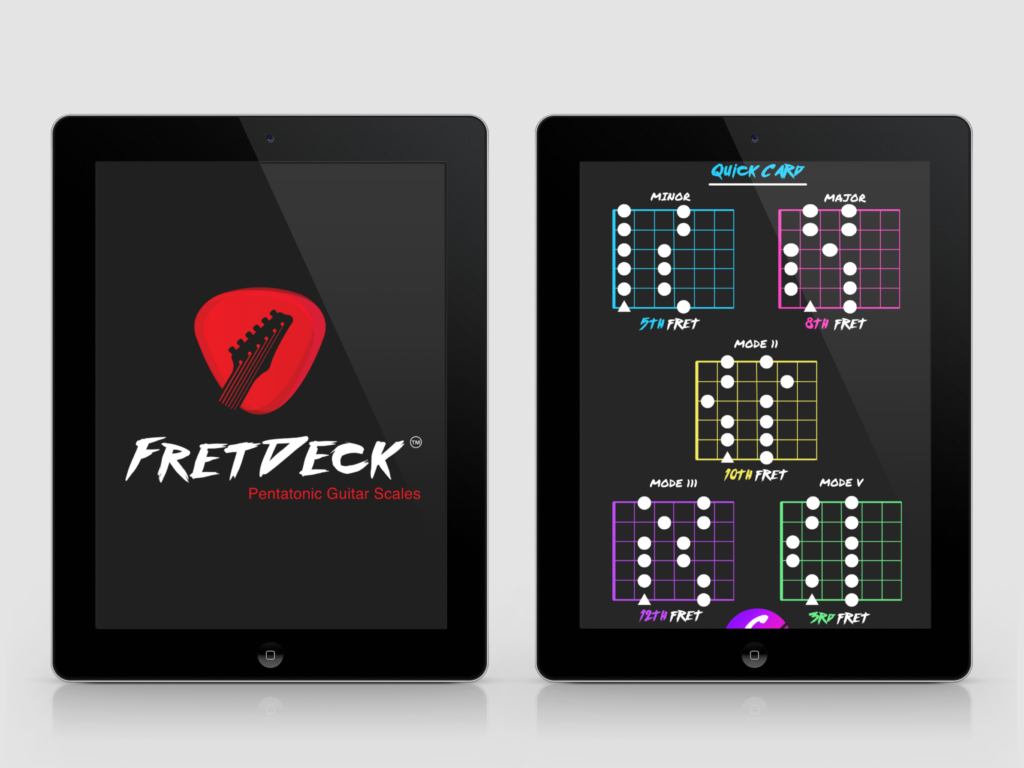
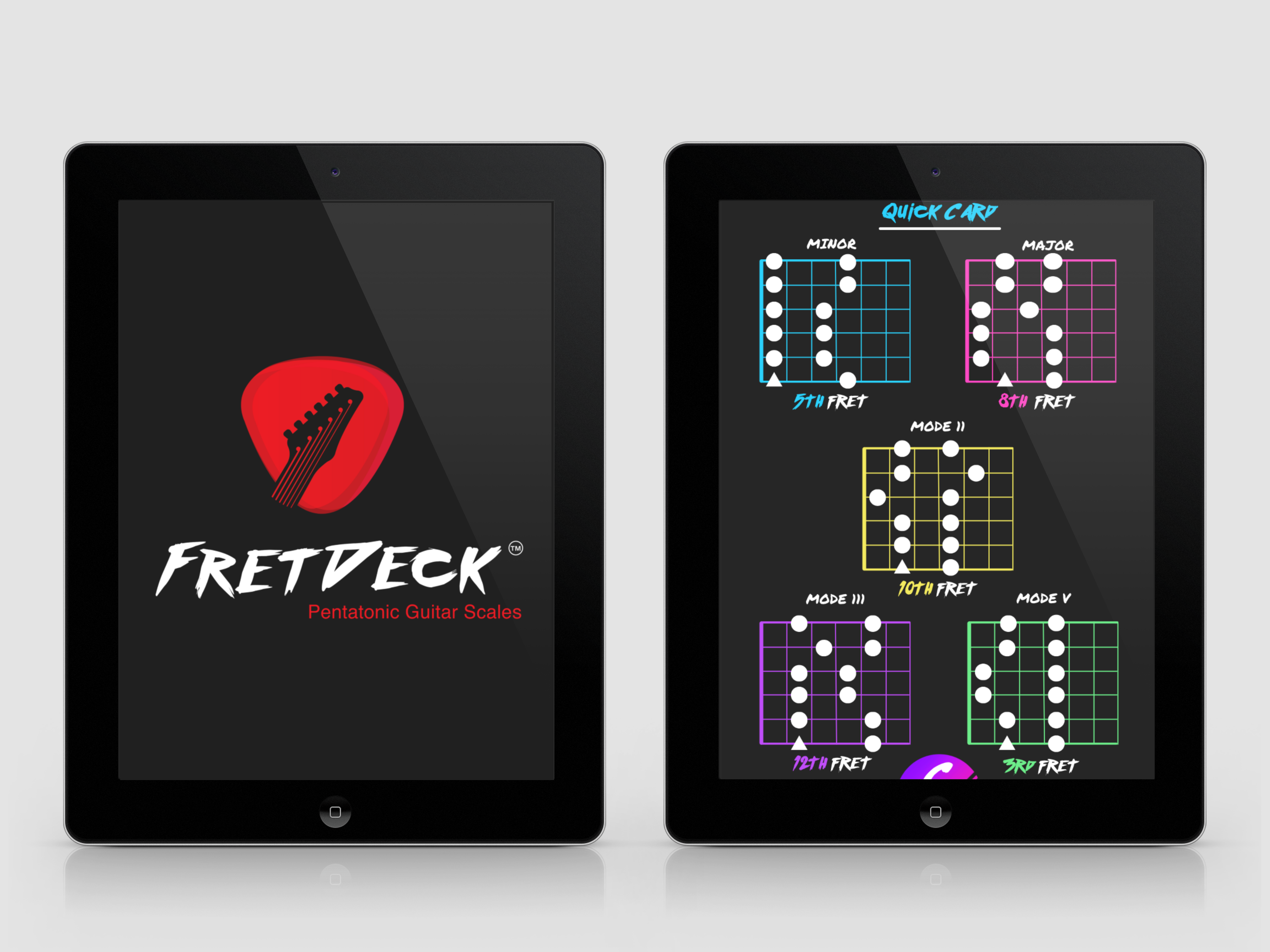
If you’re ready to dive deeper into jazz-infused blues, check out FretDeck Pentatonic Scales—a step-by-step guide to combining blues and jazz techniques in your own playing.
Also, join the Guitar Freaks Hangout on Discord to connect with a supportive community of players. Share tips, get feedback, and jam with like-minded guitar enthusiasts who love exploring tone and technique.
Download The FretDeck & Pentatonic Secrets Course!
Download Our Course
Related posts: